

Shared Ownership Property Survey: What You Need to Know
Shared ownership offers a route onto the property ladder for buyers who cannot afford to purchase outright. You buy a share of the property — typically between 25% and 75% — and pay rent on the remainder.
What many shared ownership buyers do not realise is that this arrangement has specific implications for surveys. Understanding those implications before you exchange is essential, particularly since you will be taking on legal and financial responsibility for the share you purchase.
Quick answer: Yes, you need a survey on a shared ownership property. Even though you only own a share, you are responsible for the condition of the whole property. An independent RICS survey gives you a clear picture of what you are buying before it is too late to renegotiate or withdraw.
What Is Shared Ownership and Why Does It Affect Surveys?
Shared ownership is a government-backed scheme typically offered through housing associations. You purchase a share of a home and pay subsidised rent on the portion you do not own, with the option to buy additional shares over time through a process called staircasing.
The key point for surveys is this: even though you own only a percentage of the property, you are typically responsible for its full maintenance and repair costs. This is set out in your lease agreement. If the roof needs replacing or the boiler fails, the financial responsibility falls on you — not the housing association.
That makes independent professional advice on the property’s condition more important, not less. You are taking on maintenance obligations for a building you only partially own, often for many years.

Do You Need a Survey on a Shared Ownership Home?
Your mortgage lender will require a valuation, but a valuation is not a survey. A valuation confirms the property is worth what you are paying for it. It does not assess the condition of the structure, the roof, the services, or any potential defects.
A RICS survey is independent. It is carried out on your behalf and reports directly to you, covering the condition of the property in practical, evidence-led detail.
Why shared ownership buyers sometimes skip surveys
Some buyers assume that a new or recently built shared ownership property will be in good condition. Others feel financial pressure to reduce costs at a point in the transaction when every pound matters. And some simply do not know an independent survey is an option.
In our experience, each of these is a reason to commission a survey, not to skip one. New-build homes regularly have defects. Older shared ownership stock may have issues that were never flagged during previous sales. And the cost of a survey is modest compared with the cost of unexpected repairs once you have moved in.
Which Type of Survey Is Right for a Shared Ownership Purchase?
| Survey type | Best for | What it covers |
|---|---|---|
| RICS Level 2 Homebuyer Survey | Standard construction homes in reasonable condition; properties built after 1900 | Condition ratings for key elements (roof, walls, services); damp readings; defects that need attention; brief guidance on repairs |
| RICS Level 3 Building Survey | Older properties; non-standard construction; visibly worn or altered homes | Full structural inspection; detailed analysis of defects; advice on repair options and likely costs; recommended investigations |
For most shared ownership properties — particularly newer flats and houses built within the last 30 to 40 years in standard construction — a RICS Level 2 Homebuyer Survey is usually appropriate.
If the property is older, has had significant alterations, shows signs of defects on your viewing, or uses non-standard materials such as concrete panels or timber frame, a RICS Level 3 Building Survey provides a more thorough assessment. If you are unsure which level is right for the property you are buying, we are happy to advise.

What Will a Survey Cover on a Shared Ownership Property?
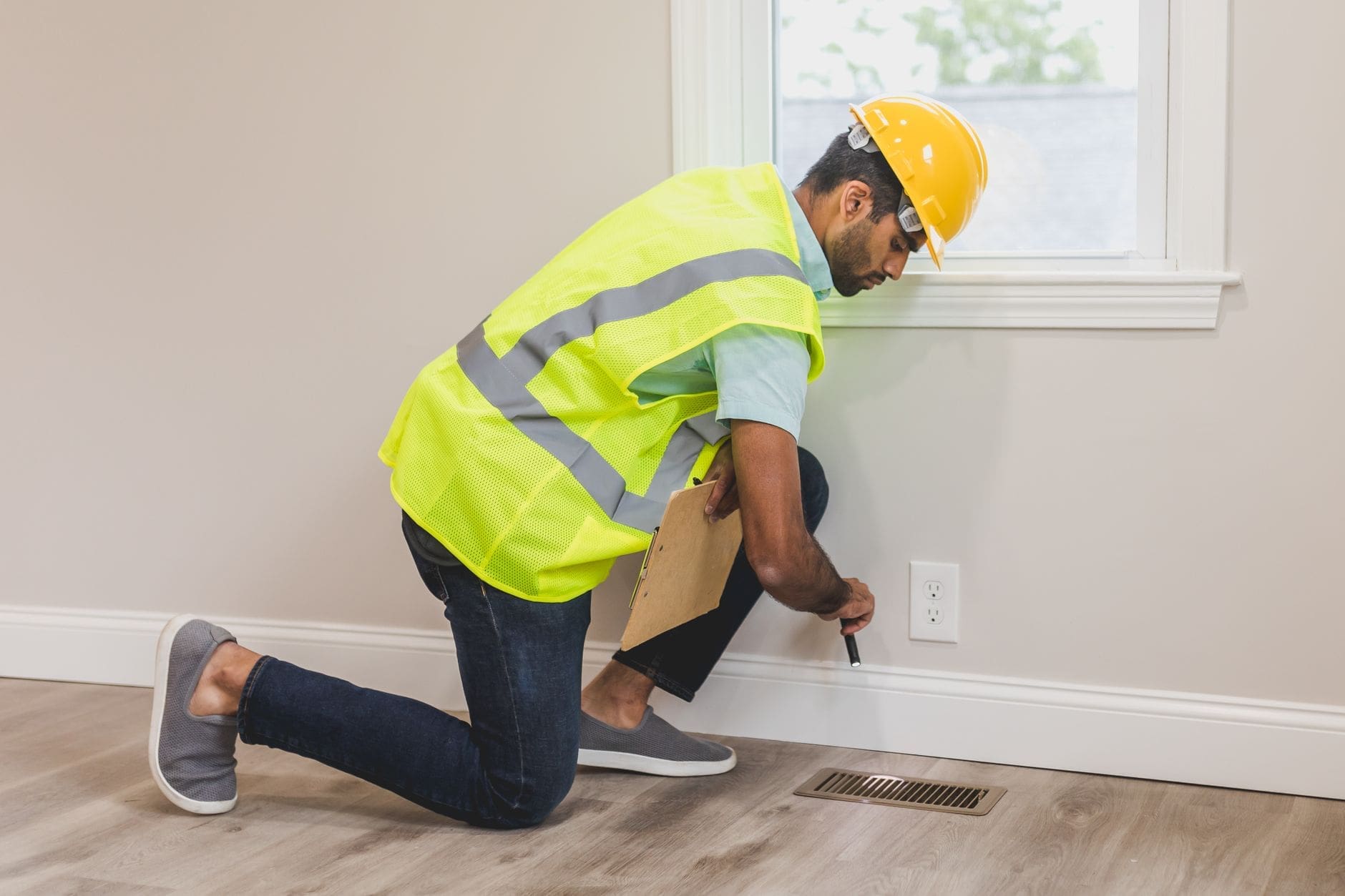
Whether you commission a Level 2 or Level 3 survey, your surveyor will carry out a thorough inspection of the property, working through key elements systematically. The report you receive will use plain language and, where relevant, condition ratings to indicate which areas require attention.
Areas typically assessed
- Roof covering, structure, and any accessible roof space
- External walls, pointing, and cladding
- Windows, doors, and external joinery
- Damp and moisture levels in walls and floors
- Ceilings, internal walls, and floors
- Heating, plumbing, and drainage (visual inspection)
- Electrical installation (visual inspection only)
- Any visible structural movement or cracking
- Outbuildings and boundary features, where accessible
For flats — which make up a large proportion of shared ownership stock — the surveyor will also note the condition of communal areas and any visible defects in the building fabric that may affect your property, even if those areas fall under the housing association’s responsibility.
Leasehold considerations specific to shared ownership
Shared ownership properties are almost always leasehold. That means the survey will note if there are visible signs of neglect to the wider building, but the detailed legal review of the lease terms, service charges, and ground rent arrangements is handled by your solicitor. Your surveyor and your solicitor work on different aspects of the same purchase — both matter.
What Happens After the Survey?
Once you receive your survey report, you have a clear record of the property’s condition at the point of inspection. The report will indicate where attention is needed and, where relevant, suggest further specialist investigations.
If significant defects are identified, you have a number of practical options. You can ask the vendor or housing association to carry out remedial work before completion. You can renegotiate the purchase price to reflect the cost of repairs. Or, if the issues are serious enough, you can withdraw from the purchase while you are still legally entitled to do so.
A survey does not commit you to purchasing. It gives you the information you need to make an informed decision — which is the point.
Internal links to note: Once your survey report confirms the condition of the property, your next step is typically to liaise with your solicitor on the lease terms and with your mortgage lender on the formal offer. We are available to discuss any specific findings in your report if you have questions.
Frequently Asked Questions
Can I use my mortgage lender’s valuation instead of a survey?
No. A mortgage valuation is carried out in the lender’s interest, not yours. It confirms the property has sufficient value to support the loan. It does not assess condition, flag defects, or advise you on repair costs. An independent RICS survey is a separate service carried out solely for your benefit.
Who orders the survey — me or the housing association?
You instruct and pay for your own independent survey. The housing association has its own management responsibilities, but their assessments relate to the building as a whole and are not provided to you as a buyer. Your survey is specifically focused on your purchase and your interests.
Do I need a survey if I am buying a new-build shared ownership flat?
A survey is still worth considering even on a new-build property. New builds regularly have defects — from minor snagging issues to more significant problems with services, drainage, or finishes. A pre-completion inspection or snagging survey is designed specifically for this scenario and can be valuable before you take the keys.
Can I get a survey on a shared ownership property I am staircasing on?
Yes. If you are staircasing — buying an additional share of a property you already live in — you will typically need a RICS valuation, and you may also want a condition survey if the property has not been professionally inspected for some time. This can be especially useful if you are considering buying the freehold outright, as you will then take on full maintenance responsibility.
Will the survey flag issues with communal areas?
The surveyor will note what is visible and accessible during the inspection, including communal areas where relevant. However, the survey’s primary focus is the property itself. Any concerns about building-wide maintenance or the housing association’s management would typically be raised through your solicitor during the conveyancing process.
Thinking about a shared ownership survey? Blue Blossom Surveys Ltd provides RICS Level 2 and Level 3 surveys across Peterborough, Corby, Oakham, Stamford, Wisbech, and the surrounding area. Contact us to discuss which survey level is right for your property.







0 Comments