

If you are comparing survey quotes, you will often see a mix of options. Some mention RICS. Others do not. This usually leads to one simple question: is a RICS surveyor worth it when buying a home?
At first glance, a RICS survey may look more expensive than alternatives. The real difference is not just the price. It is the standard of inspection, reporting, and accountability behind it.
This guide explains what a RICS surveyor actually offers, when using one makes sense, and when it matters most during a property purchase.
What does RICS actually mean?
RICS stands for the Royal Institution of (AssocRICS) Surveyors. It is a professional body that sets standards for surveyors working across property, construction, and land.
A surveyor regulated by RICS must meet strict requirements. These include qualifications, ongoing training, professional indemnity insurance, and compliance with a formal code of conduct.
This matters because it creates consistency. When you instruct a RICS surveyor, you know the inspection and report will follow recognised standards rather than an individual approach that varies from firm to firm.
What makes a RICS survey different?
The difference is not just branding. It affects how the survey is carried out and how findings are presented.
Clear inspection scope
RICS surveys follow defined formats. This means the surveyor knows what must be inspected, how risks are assessed, and how limitations are explained.
You are less likely to receive a vague report that avoids responsibility or fails to explain why something matters.
Structured reporting
A RICS report is designed to be usable. Issues are categorised by severity, with clear explanations and next steps.
This helps you focus on:
- Defects that need urgent attention
- Issues that affect value or safety
- Maintenance items you can plan for later
Professional accountability
RICS surveyors are accountable for their work. If something goes wrong, there is a formal complaints process and insurance backing.
This layer of protection is often overlooked until a problem arises.
RICS surveyor vs cheaper alternatives
Many buyers compare a RICS survey to cheaper “inspection reports” or basic condition checks. On paper, these can look similar.
The key difference lies in depth and responsibility.
Non-RICS inspections may:
- Have no recognised inspection standard
- Avoid clear conclusions to reduce liability
- Offer limited or no post-report support
A RICS survey is expected to provide a reasoned opinion. That includes explaining uncertainty, not avoiding it.
When a RICS surveyor is especially worth it
There are situations where using a RICS surveyor becomes far more important.
Older properties
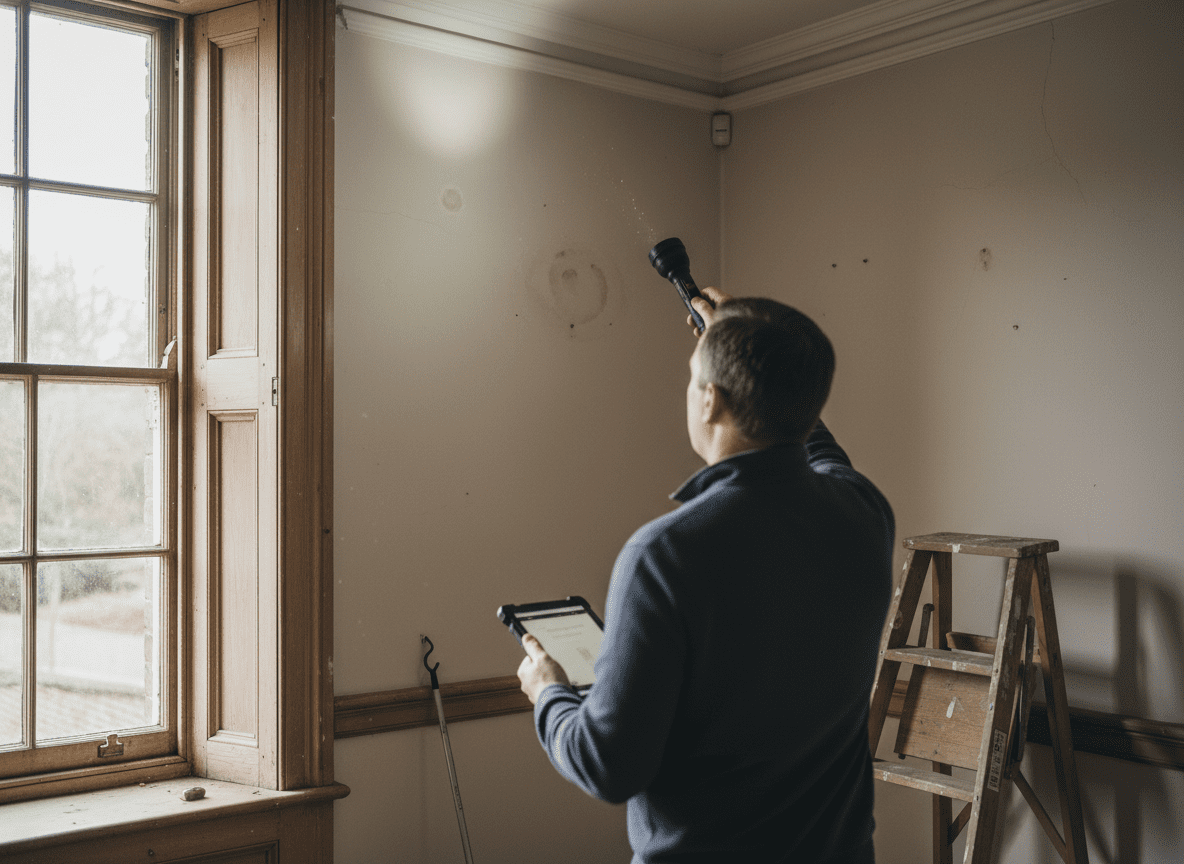
Homes built before modern construction standards often hide issues. These may include solid walls, ageing roofs, timber decay, or outdated alterations.
A RICS Level 3 Building Survey is designed to assess these risks in more detail.
Altered or extended homes
Extensions, loft conversions, and layout changes can introduce structural and drainage issues. A RICS surveyor assesses how those works interact with the original building.
Visible defects or buyer concern
If you already have doubts about cracking, damp, or roof condition, a survey with clear professional backing is essential.
Is a RICS survey worth it for a standard home?
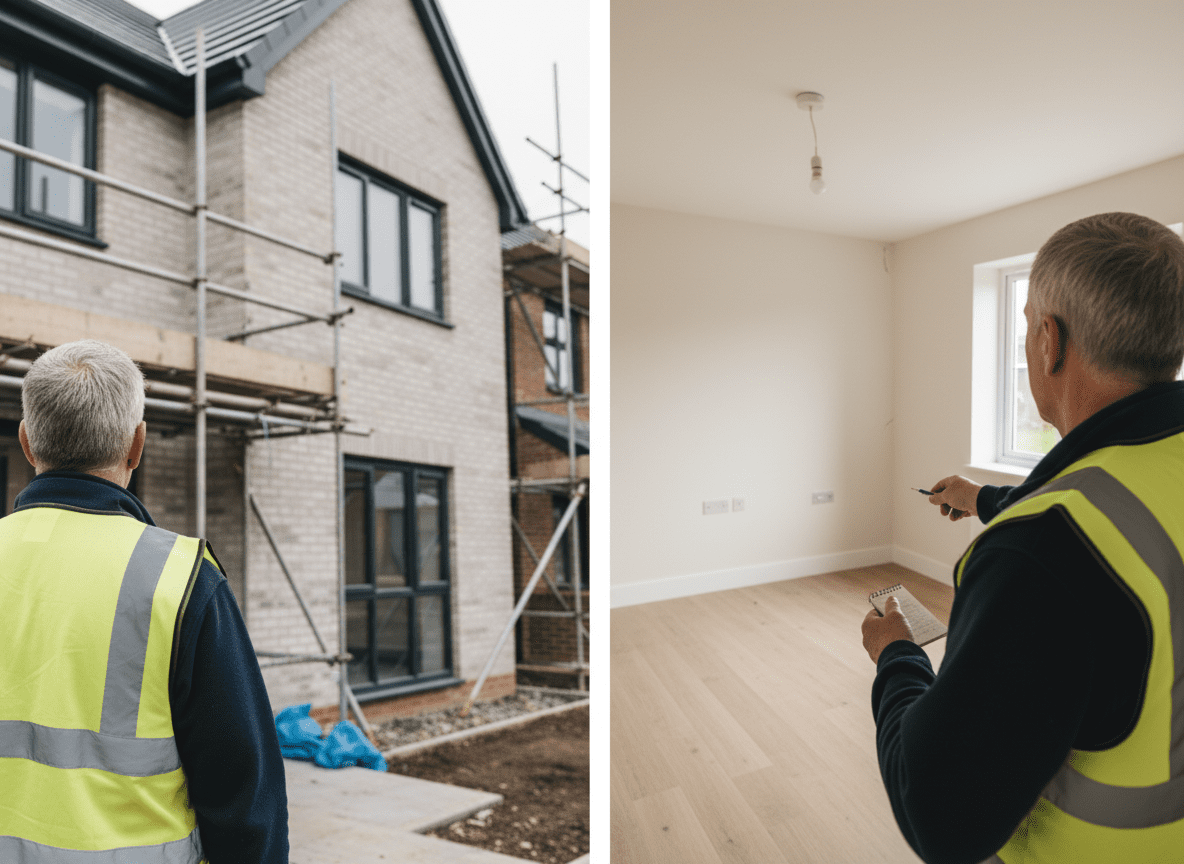
For many buyers, the property looks modern and well maintained. This often leads to the assumption that a survey is a formality.
In practice, even standard homes can hide problems. Common findings include poor ventilation, drainage defects, roof wear, and concealed damp.
A RICS Level 2 Homebuyer Survey suits many conventional homes and provides clear guidance without unnecessary complexity.
How a RICS survey helps with negotiations
One of the most practical benefits of a RICS survey is how it supports negotiations.
Because the report follows a recognised standard, sellers and agents are more likely to take findings seriously.
Clear, evidence-based comments help you:
- Request repairs before exchange
- Renegotiate the purchase price
- Decide whether to proceed at all
This can easily outweigh the cost of the survey.
What a RICS survey does not do
It is also important to be realistic.
A home survey is not a guarantee. Surveyors cannot see behind walls or lift floors unless access exists. They work with visible evidence and professional judgement.
However, a good RICS surveyor explains limitations clearly and recommends further checks where appropriate.
RICS surveys and mortgage valuations
A common misconception is that a mortgage valuation replaces the need for a survey.
A valuation is for the lender. It is not designed to protect you.
If you want an independent assessment of condition and risk, you still need a survey. A RICS surveyor works for you, not the bank.
Cost versus long-term value
The cost of a RICS survey is small compared to the cost of buying a property. It is also small compared to the cost of unexpected repairs.
Issues such as damp treatment, roof repairs, or structural works can quickly run into thousands.
Many buyers find that a clear survey either saves them money through renegotiation or gives peace of mind that the purchase is sound.
Is a RICS surveyor always necessary?
In most residential purchases, yes.
If you are buying at auction, purchasing an older home, or planning major works, it becomes even more important.
The level of survey may change, but the benefit of professional standards remains.



0 Comments