

Home Survey in Huntingdon: Which Level Do You Need?
Quick answer: Most buyers in Huntingdon need a RICS Level 2 Homebuyer Survey for modern or standard properties, or a RICS Level 3 Building Survey for older, altered, or structurally complex homes. Flood risk near the River Great Ouse and clay soil movement are the two local factors most likely to affect your decision — and both are covered in a well-scoped RICS survey.
Buying a home in Huntingdon gives you access to some of Cambridgeshire’s most varied property stock — from Georgian townhouses near the market square to 1950s semis in Stukeley Meadows and growing new-build estates at Alconbury Weald. That variety means the survey you need depends heavily on the specific property, not just the town.
Huntingdonshire District Council’s Strategic Flood Risk Assessment confirms that 7.6% of properties in the district carry flood risk — a figure that is not immediately obvious from a kerb-side viewing. Understanding what a survey can and cannot tell you about that risk is important before you commit.
This guide covers the right survey level for Huntingdon’s main property types, how flood risk is handled in a RICS report, common survey findings in the area, and what you can expect to pay.
Property types in Huntingdon and why they matter for surveys
Huntingdon’s housing stock covers several centuries and construction methods. The type of property you are buying is the most important factor in deciding which survey level is appropriate.
Victorian and Edwardian terraced houses
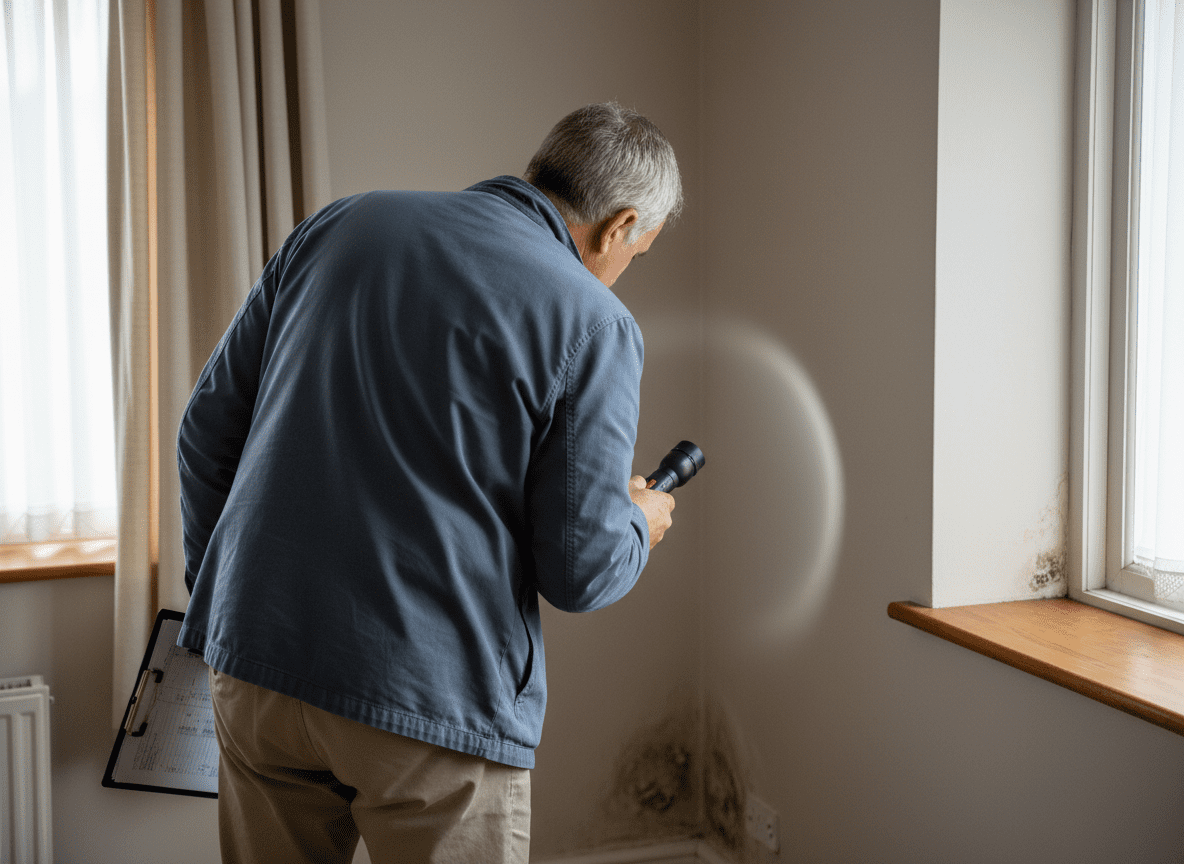
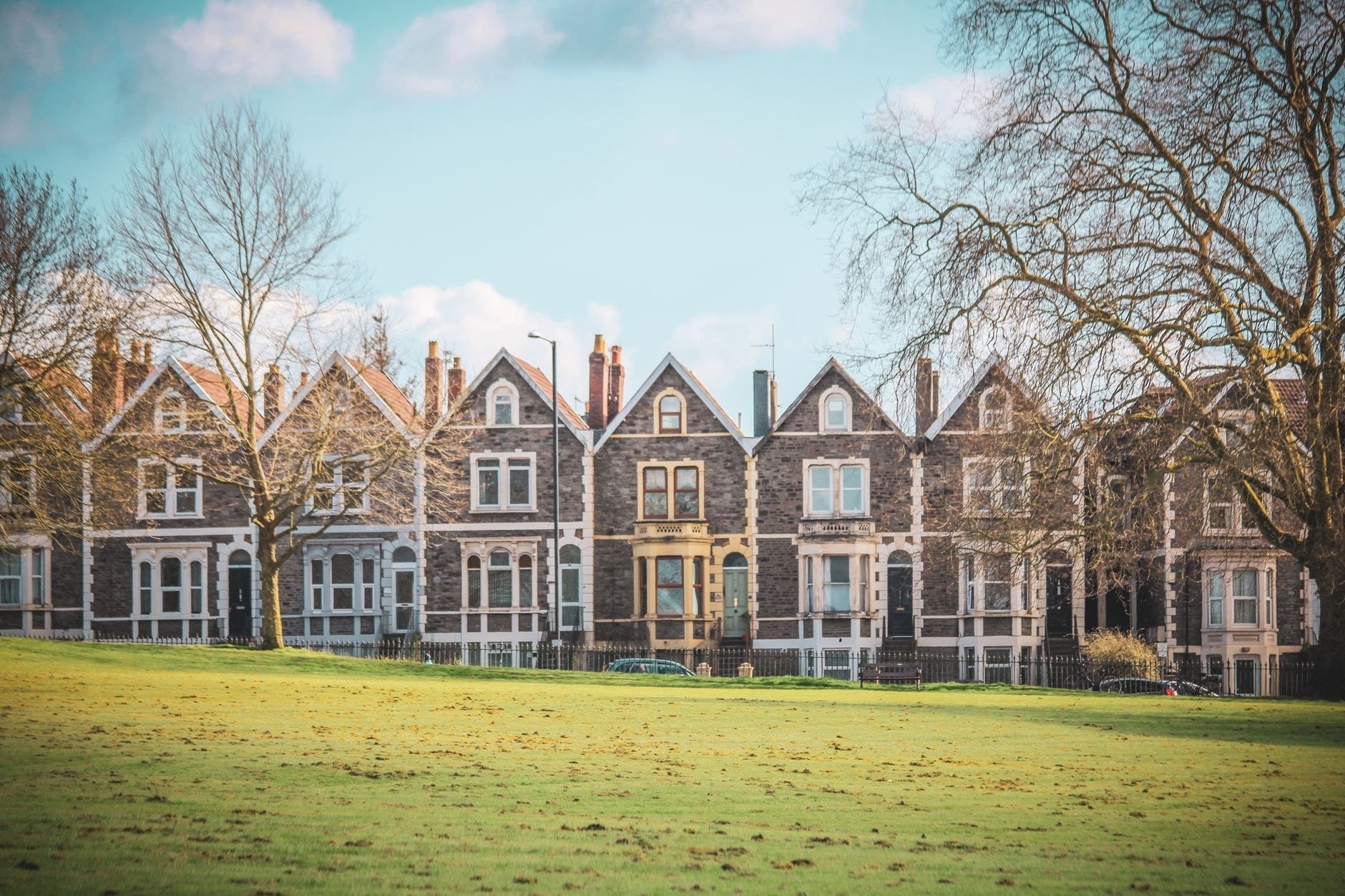
The terraced streets near Huntingdon town centre and Godmanchester contain some of the oldest housing in the area. These properties were built with solid brick walls and lime mortar — materials that behave differently from modern construction. Damp, pointing deterioration, and roof wear are common, and the solid-wall construction means moisture can reach internal plaster before it is visually obvious. A Level 3 Building Survey is usually the appropriate choice here.
1950s–1970s semi-detached and detached homes
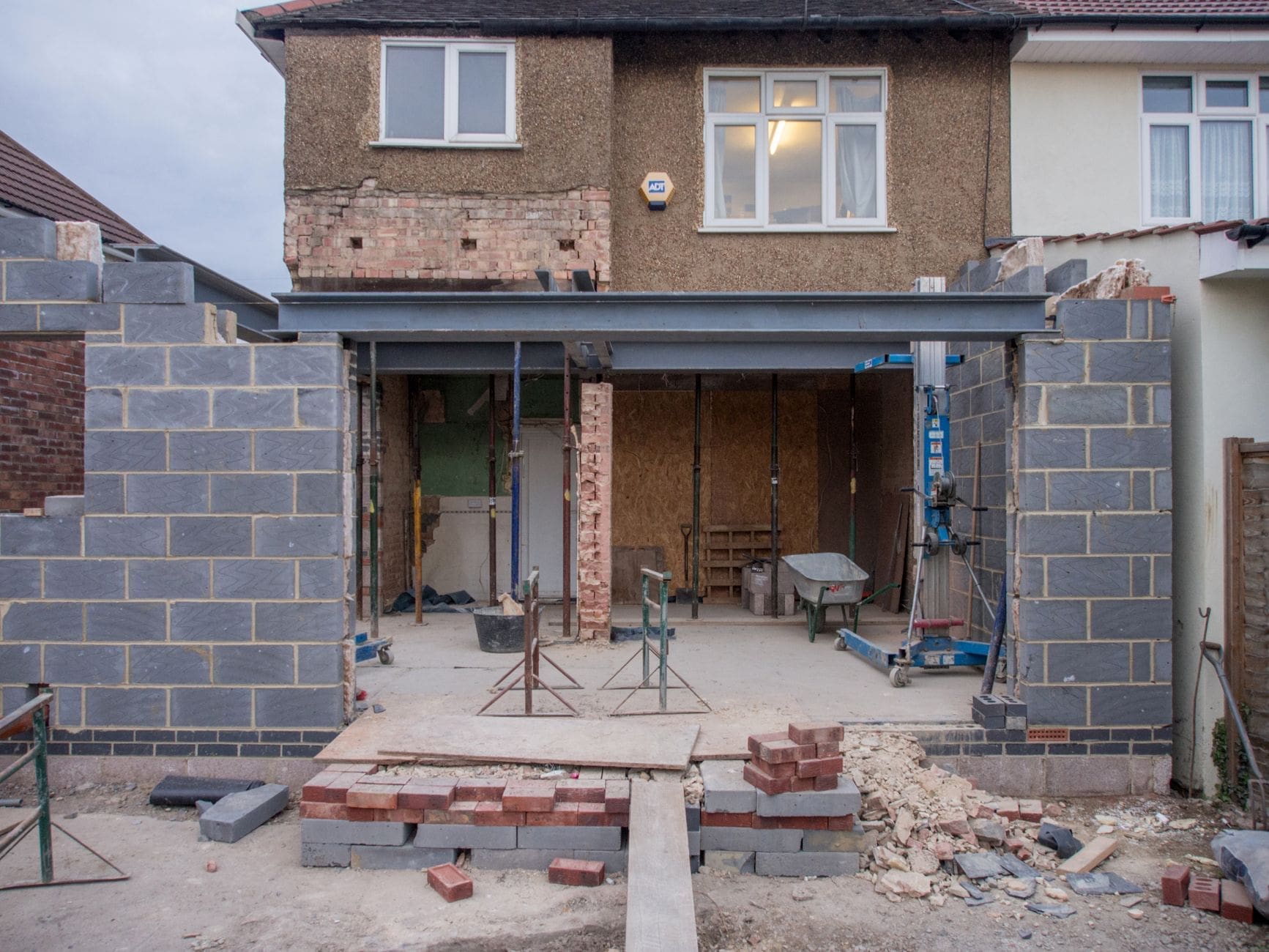
The post-war estates across Stukeley Meadows, Hartford, and Brampton include a large number of cavity-wall homes that are now 50–70 years old. These properties can show cavity wall tie corrosion, ageing flat roofs on extensions, and original electrics approaching the end of their service life. A Level 2 Homebuyer Survey is often sufficient for homes in reasonable condition, but if there are visible cracks or evidence of extensions, consider stepping up to Level 3. Our Level 2 vs Level 3 guide can help you decide.
New-build and recent developments
Alconbury Weald and other newer developments around Huntingdon include substantial new-build housing. New builds can show settlement cracks, finish shrinkage, and issues at window and door openings in the first few years. A new-build snagging survey or pre-completion inspection is the most appropriate choice — and ideally should be done before legal completion. Our guide to what a snagging survey finds covers what to expect.
Period cottages in surrounding villages
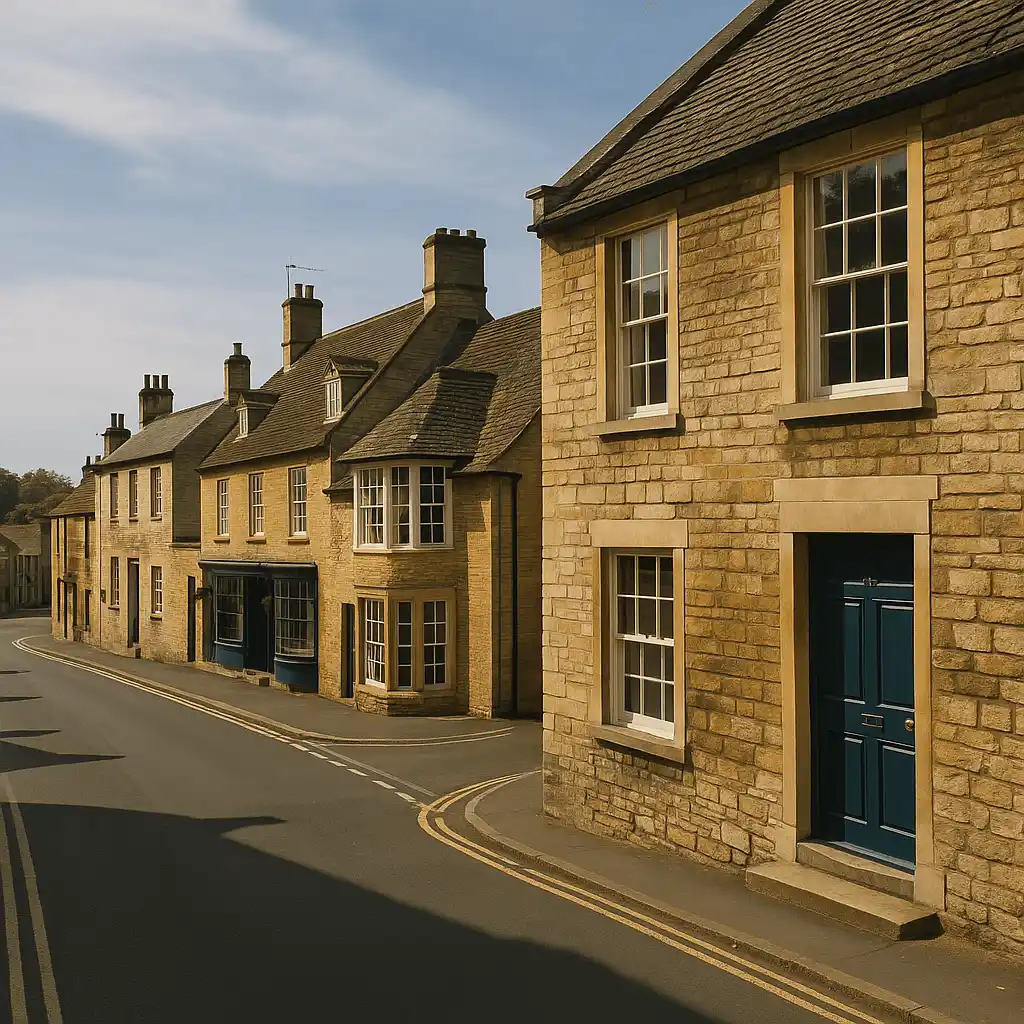
Villages such as Brampton, St Ives, Godmanchester, and Houghton contain thatched cottages, converted farmhouses, and stone-built properties that fall outside standard survey parameters. These properties almost always warrant a Level 3 Building Survey, and may benefit from specialist follow-up for timber, damp, or structural concerns.

Level 2 vs Level 3 — which is right for a Huntingdon property?
| Property type | Recommended survey level | Why |
|---|---|---|
| New build or post-2000 home | Snagging / Level 1 or 2 | Modern construction; snagging more relevant than defect inspection |
| 1960s–90s cavity-wall house in good condition | Level 2 | Standard construction; condition review sufficient unless issues visible |
| Pre-1940 terraced or semi in Huntingdon town | Level 3 | Solid walls, older services, more likely to have hidden damp or defects |
| Victorian or Edwardian property | Level 3 | Lime construction, ageing materials, greater need for diagnostic inspection |
| Period cottage or unusual construction | Level 3 + specialist | Non-standard materials and details need surveyor experience beyond standard scope |
| Any property near the Great Ouse or in flood zone | Level 2 minimum, ideally Level 3 | Flood history, groundwater, and related damp need thorough investigation |
Flood risk in Huntingdon — what a survey can and cannot tell you
Flood risk is the single most discussed survey issue in Huntingdon, particularly for properties near the River Great Ouse and its tributaries. According to Huntingdonshire District Council’s flood risk data, areas around Hartford Marina and Godmanchester sit within active flood zones, where formal flood defences are in place but monitoring and insurance implications remain.
What a RICS survey will do:
- Note visible signs of historic flooding — staining, tide marks, waterproofed lower courses of brickwork
- Flag any evidence of flood damage to floor timbers, plasterwork, or lower walls
- Advise on groundwater risk where signs are visible
- Recommend further specialist investigation if damp or flood damage is suspected
What a RICS survey will not do:
- Confirm the property’s flood zone classification — that requires the Environment Agency’s flood map and a specialist flood risk report
- Advise on flood insurance availability or premiums — that is a question for your insurance broker
- Access closed-off areas such as underfloor voids where evidence may be hidden
Our post on what a home survey checks in terms of drainage is useful reading for Huntingdon buyers concerned about groundwater and drainage performance near the river.

Common issues found in Huntingdon home surveys
Based on the property types and conditions typical of Huntingdon and Huntingdonshire, these are the defects most commonly flagged in survey reports:
- Damp in older solid-wall properties — solid walls absorb moisture from the outside and release it inward. In pre-1919 homes, this is normal behaviour rather than a failure — but it needs to be assessed in the context of the building’s construction, not treated as rising damp in a modern cavity wall.
- Roof wear on older terraces — original clay or concrete tiles approaching the end of their service life, ridge pointing failure, and blocked gutters are common on Victorian street terraces.
- Settlement cracks in new builds at Alconbury Weald — new homes on clay soils settle during their first few years. Most cracks are cosmetic, but a survey separates normal early movement from anything structural that requires the developer’s attention under the NHBC warranty.
- Clay soil movement — the clay soils across much of Huntingdonshire shrink in dry conditions and expand in wet ones. This can cause foundation movement in properties without adequate foundations. A well-experienced surveyor will look for signs: diagonal cracking, door-frame distortion, and uneven floors.
- Groundwater affecting lower floors — in low-lying parts of Huntingdon, groundwater can affect floor timbers and lower wall plaster without obvious visual signs until a wet winter.
How much does a home survey cost in Huntingdon?
Survey costs in Huntingdon are in line with East of England market rates. Based on current pricing, buyers can expect:
| Survey type | Typical cost in Huntingdon | Best for |
|---|---|---|
| RICS Level 2 Homebuyer Survey | £420–£650 | Standard post-war homes in reasonable condition |
| RICS Level 3 Building Survey | £650–£1,000+ | Pre-1940 homes, altered properties, period cottages |
| New build snagging inspection | £280–£450 | New-build completions and pre-completion checks |
Prices vary by property size, age, and complexity. A small 2-bed post-war semi will cost less than a large Victorian detached with an extension. Always get a specific quote rather than relying on a bracket — the right surveyor will want to know about the property before confirming a fee.
The question most Huntingdon buyers ask — and the honest answer
“Do I really need a survey, or will I be fine?” In a town with flood risk in nearly one in twelve properties, solid-wall Victorian terraces, and growing new-build settlements on clay soils, yes — a survey is worth it. The question is which level. Use the table above as your starting point, and if you are unsure, err toward the more comprehensive option. You can always ask a RICS surveyor for their recommendation before you book.
Frequently asked questions
Do I need a home survey when buying in Huntingdon?
No lender or law requires you to commission a survey — but it is strongly advisable. In Huntingdon, where flood risk, solid-wall construction, and clay soil movement are all factors, a survey gives you the information you need to buy confidently or renegotiate where issues are found. It is one of the most important pre-exchange costs you will incur.
Which type of survey is best for a Huntingdon property?
It depends on the property type. A RICS Level 2 Homebuyer Survey is appropriate for post-war cavity-wall homes in reasonable condition. A RICS Level 3 Building Survey is better for Victorian terraces, pre-1940 properties, period cottages in surrounding villages, and any property that has been significantly altered. New builds at developments like Alconbury Weald are best served by a snagging or pre-completion inspection.
How much does a home survey cost in Huntingdon?
A RICS Level 2 Homebuyer Survey in Huntingdon typically costs £420–£650. A Level 3 Building Survey costs £650–£1,000+, depending on property size and complexity. New-build snagging inspections start from around £280 for smaller homes. Always request a specific quote for your property rather than relying on national averages.
Are there flood risks I should know about in Huntingdon?
Yes. Around 7.6% of properties in Huntingdonshire carry some form of flood risk, according to the district council’s Strategic Flood Risk Assessment. Areas near the River Great Ouse — particularly Hartford and parts of Godmanchester — are most affected. A RICS survey will flag visible evidence of flood history, but a specialist flood risk report is needed for a full assessment of flood zone classification and insurance implications.
Looking for a home survey in Huntingdon or the surrounding area?
Blue Blossom Surveys are RICS-accredited and cover Huntingdon, Peterborough, St Ives, Stamford, Corby, Wisbech, and across Cambridgeshire and Rutland. See our Huntingdon surveying service or contact us for a quote.






0 Comments