

Survey Flagged Damp? What It Means and What to Do Next
In this guide
Your RICS Level 2 Homebuyer Survey or Level 3 Building Survey has flagged damp — and right now it probably feels more alarming than it needs to. A damp finding is one of the most common results in UK property surveys, particularly in older homes across Cambridgeshire, Peterborough, and Rutland. In most cases, buyers proceed once the type and extent are properly understood.
In short: When a survey flags damp, the first step is identifying the type — not reaching for the panic button. High moisture meter readings are not the same as confirmed rising damp. In most cases, buyers commission an independent specialist assessment (typically £200–£400 from a PCA-registered surveyor) and negotiate accordingly. Most transactions with a damp finding still complete.
What the survey report is actually telling you
RICS surveyors use a three-tier condition rating system: Condition 1 (no repair needed), Condition 2 (defects requiring attention but not urgent), and Condition 3 (serious defects requiring further investigation or urgent repair). When damp is flagged, it will sit in one of these tiers, and the wording matters.
A note that says “moisture meter readings were elevated — further investigation by a specialist is recommended” is very different from “active rising damp is present with evidence of failed damp-proof course requiring remediation.” The first is a flag; the second is a finding. Most damp references in Level 2 reports are flags — observations that warrant investigation, not verdicts requiring immediate treatment.
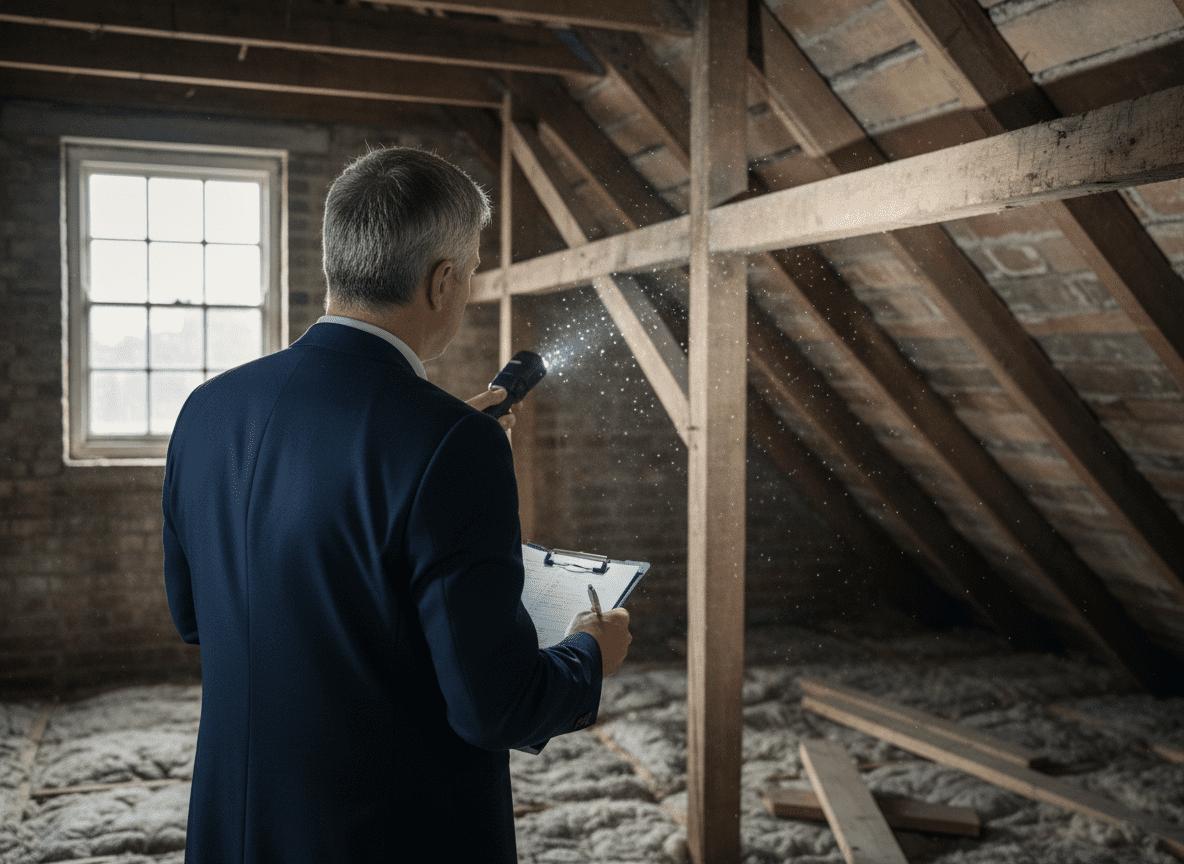
Your surveyor works non-invasively. They cannot lift carpets, pull back fitted furniture, or open wall plaster. They use a handheld moisture meter and visual inspection to detect elevated readings. The meter measures electrical resistance in the wall material — it cannot tell them whether moisture comes from rising ground water, lateral penetration, condensation, or residual salts in old plaster. That distinction requires a specialist.
The three types of damp — and what they mean for you
Not all damp is the same. The type your survey is pointing toward changes how serious the finding is, how fixable it is, and what it is likely to cost.
Rising damp
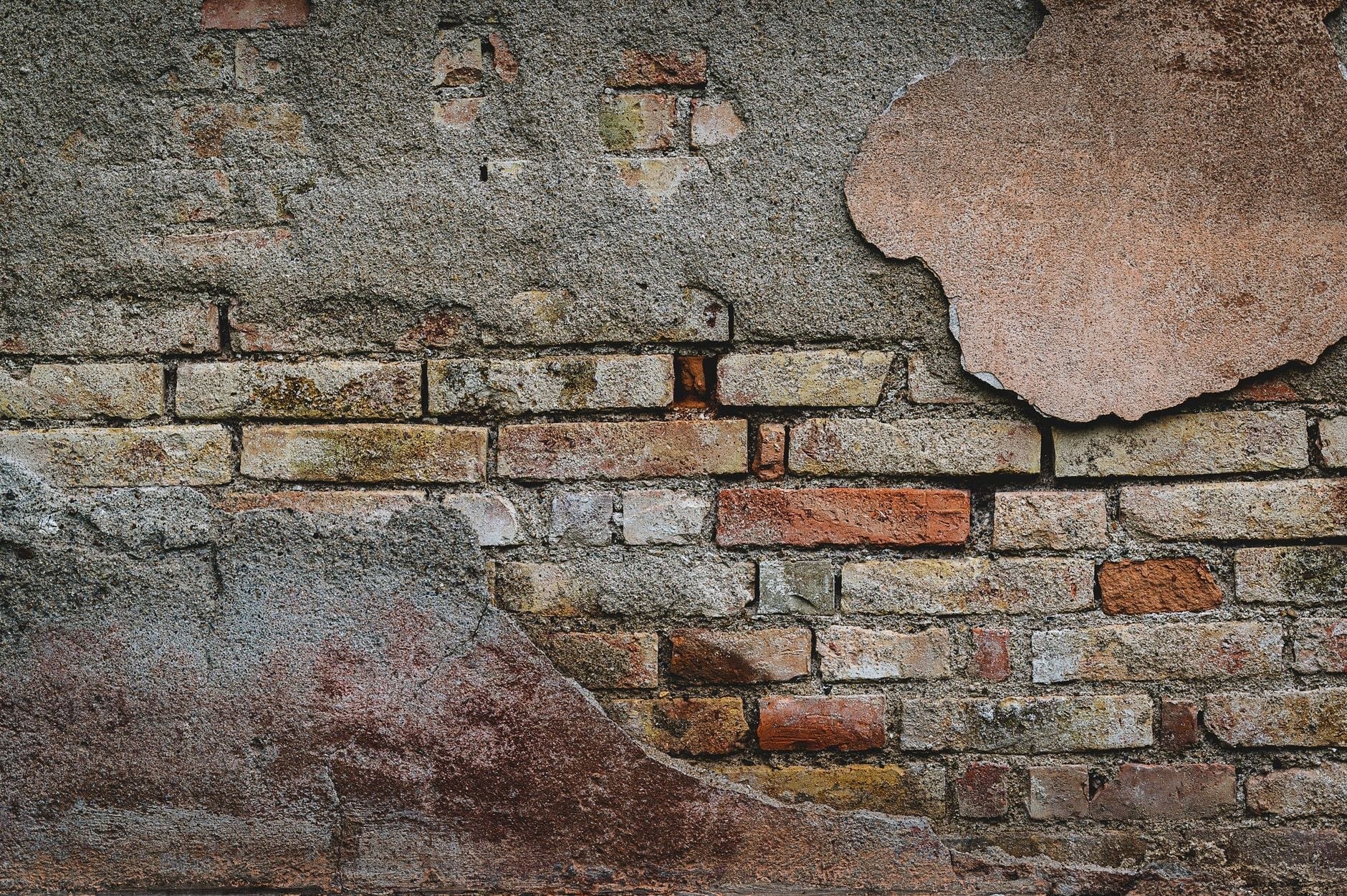
Ground moisture moves upward through walls, typically leaving a tide mark up to one metre from floor level — usually indicating a failed or absent damp-proof course (DPC). Rising damp is the most serious type, but it is also the most commonly over-diagnosed. The Property Care Association (PCA) notes that a significant proportion of cases attributed to rising damp are actually condensation or external defects. Always get an opinion from a specialist with no financial interest in selling remediation work.
Penetrating damp
Water enters horizontally through walls, roofs, or around window and door frames — caused by a specific defect such as cracked render, broken gutters, failed flashings, or poor pointing. Once the source is identified and fixed, penetrating damp typically resolves itself. It is often straightforward to remedy and costs considerably less than rising damp treatment.
Condensation
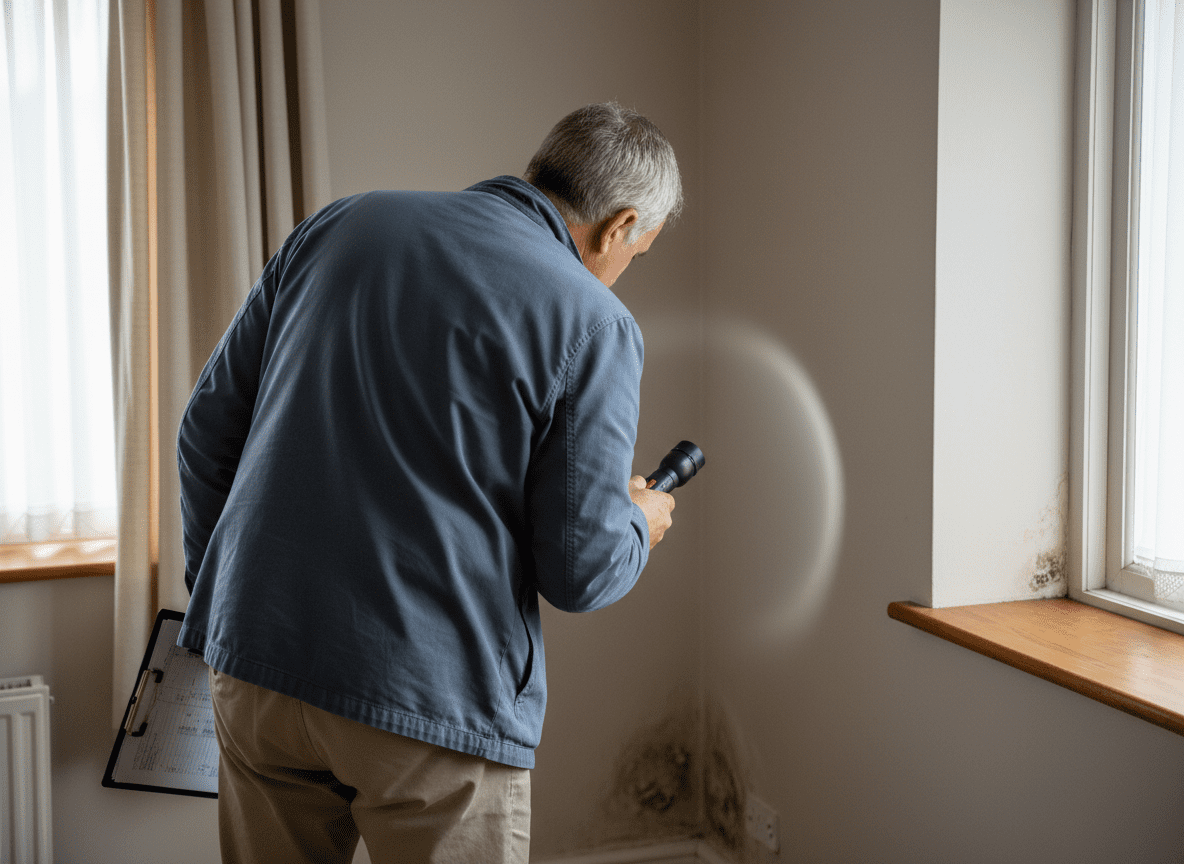
Warm moist air meets cold surfaces and deposits moisture. Condensation is by far the most common type of damp in UK homes and the most frequently misdiagnosed. It appears as mould growth on cold corners and north-facing walls, and responds to improved ventilation, heating, and insulation — not chemical injection. A survey may flag elevated readings in these areas; a specialist damp assessment confirms the cause. For a broader look at early warning signs, see our guide to damp and mould: early warning signs.
| Type | Common signs | Typical repair cost | Severity |
|---|---|---|---|
| Condensation | Mould on cold walls, window condensation | £300–£1,500 | Usually low |
| Penetrating damp | Damp patches near windows, roofline, chimney | £500–£8,000 depending on source | Low to medium |
| Rising damp | Tide mark up to 1m from floor, salt deposits | £800–£2,500 per wall + replastering | Medium to high |
High meter readings are not confirmed damp
This is the point that matters most — and that competitors rarely lead with.
In pre-1919 properties built with solid walls and lime mortar (very common across Peterborough and rural Cambridgeshire), moisture meters can return false positives due to residual salts in old plasterwork. Those salts are hygroscopic — they absorb moisture from the air — and can produce elevated readings even when there is no active damp problem. The wall looks fine, the property has been dry for decades, but the meter reads high and the report flags it.
This is not a failing of the survey process. The Level 2 or Level 3 surveyor is doing exactly what they should: flagging something they cannot fully investigate with a non-invasive inspection and recommending you find out more. A damp flag in your report is the start of an investigation, not a conclusion.
Key principle: Never commission remediation work based solely on a moisture meter reading and a treatment company’s recommendation. The Property Care Association advises buyers to seek an independent Certified Surveyor in Remedial Treatment (CSRT) — a specialist qualified to diagnose, not just treat, damp. A CSRT assessment typically costs £200–£400 and can save you thousands on unnecessary chemical injection. A misdiagnosis can cost £2,000–£4,000 in treatment that wasn’t needed.

Step-by-step: what to do after a damp finding
Step 1: Read the exact wording of the report
Identify the condition rating (1, 2, or 3), the specific area flagged, and whether the surveyor has said “monitor”, “investigate”, or “treat”. A Condition 2 note to investigate is not the same as a Condition 3 finding requiring immediate action.
Step 2: Commission an independent specialist assessment
Choose a PCA-registered member — ideally one who holds the CSRT qualification — and confirm they are not also selling remediation products or injected DPC systems. Ask for a written diagnosis identifying the type, source, and recommended treatment (if any).
Step 3: Get itemised contractor quotes before negotiating
If the specialist confirms damp that needs treating, obtain two or three written quotes from PCA-registered contractors before approaching the seller. Itemised quotes from named contractors carry real weight in a price negotiation; vague estimates do not.
Step 4: Negotiate through your solicitor
Ask your solicitor to write formally to the seller’s solicitor, citing the survey finding, the specialist’s diagnosis, and the remediation quotes. A price reduction equivalent to the midpoint of the quotes is a common and generally reasonable request. A retention arrangement — funds held back until works are completed — is another option worth raising.
Step 5: Revisit your mortgage broker early
If your lender’s valuer also flags damp, your mortgage offer may be subject to retention or a reduced loan-to-value. Tell your broker as soon as the survey result is in — adjusting early is far less disruptive than discovering a lender problem close to exchange.
Renegotiating on a damp finding
A damp finding rarely ends a sale. What determines the outcome is usually the type and severity, the seller’s willingness to negotiate, and whether a lender is involved. For more on this, our guide to negotiating house price after a survey finding covers how to structure the conversation and what price reductions buyers typically achieve. If the survey has flagged several issues beyond damp, our post on what to do when a home survey reveals problems walks through the full decision process.
Consider walking away when: widespread rising damp affects multiple walls with structural implications; there is evidence the seller has concealed damp with fresh decoration; damp originates in communal areas of a flat where repair control is not yours; or total remediation costs exceed 10% of the purchase price with a seller who refuses any negotiation.
Will damp affect your mortgage?
It depends on whether your lender’s surveyor independently flags the damp and how they rate its severity. There are three ways a damp finding can affect your mortgage offer.
A retention means the lender holds back a portion of the advance until damp works are completed and signed off — the most common outcome for a material damp finding. A reduced loan-to-value occurs if the lender decides the finding affects the property’s market value, and they may lend less than you applied for. In severe structural cases — widespread rising damp causing floor joist failure or loadbearing issues — the lender may decline to lend until works are completed. In all three cases, tell your broker as soon as the survey result is in. Early communication gives you options; late communication removes them.
Frequently asked questions
Does damp in a survey mean I can’t get a mortgage?
Not automatically. Many lenders will proceed but apply a retention — holding back part of the advance until works are signed off. The outcome depends on severity and whether the lender’s own valuation surveyor also flags the damp. Speak to your broker as early as possible.
How much does it cost to fix damp found in a survey?
It depends on the type. Condensation issues typically cost £300–£1,500 to address through ventilation and insulation upgrades. Penetrating damp — once the source defect is repaired — costs £500–£8,000 depending on what’s involved. Rising damp treatment runs £800–£2,500 per wall plus replastering costs. Always get an independent diagnosis before commissioning any work.
Can you still buy a house if the survey shows damp?
Yes, in most cases. A damp finding is common in UK property transactions and most proceed once the type and extent are properly understood. The typical route is to get a specialist assessment, obtain quotes for any required work, and negotiate with the seller on price or remediation responsibility before exchange.
What is the difference between rising damp and condensation in a survey?
Rising damp leaves a tide mark on walls, typically up to one metre from floor level, often with salt deposits (efflorescence) in the plaster. Condensation appears as mould on cold surfaces — corners, north-facing walls, and around window frames. Rising damp requires investigation of the damp-proof course; condensation usually responds to improved heating and ventilation. A RICS surveyor can flag both; a PCA specialist with CSRT qualification can diagnose which it is.
If your survey has flagged damp and you’d like an independent professional view on what the report means for your purchase, Blue Blossom Surveys covers Peterborough, Oakham, Corby, Wisbech, and surrounding Cambridgeshire and Rutland. We carry out RICS Level 2 Homebuyer Surveys and RICS Level 3 Building Surveys — and as independent surveyors, we have no financial interest in the outcome. Get in touch to discuss your survey findings.
Reviewed and signed off by Blue Blossom Surveys. Published 2026.







0 Comments