

Does a Level 2 Survey Check Electrics and Plumbing?
If you are buying a home, it is natural to worry about electrics and plumbing. Faults in either system can be disruptive, costly to sort out, and hard to judge from a viewing alone. Buyers often want to know whether a survey will give them clear answers, or whether they need something more specific.
A RICS Level 2 Homebuyer Survey can comment on the visible condition of electrics and plumbing, but it does not test them in the way a specialist electrician or plumber would. That is the key distinction to understand before inspection day.
Quick answer: yes, a Level 2 survey may report on visible signs of concern with electrics and plumbing. It may note things such as older fittings, obvious wear, leaks, water staining, poor installation, or features that look dated or unsafe. It does not provide a full electrical test or a plumbing system test.
A survey helps you understand the property’s condition before you commit. If visible issues raise concern, the report may suggest further checks by a suitable specialist.
Contents
What a Level 2 survey checks at a high level
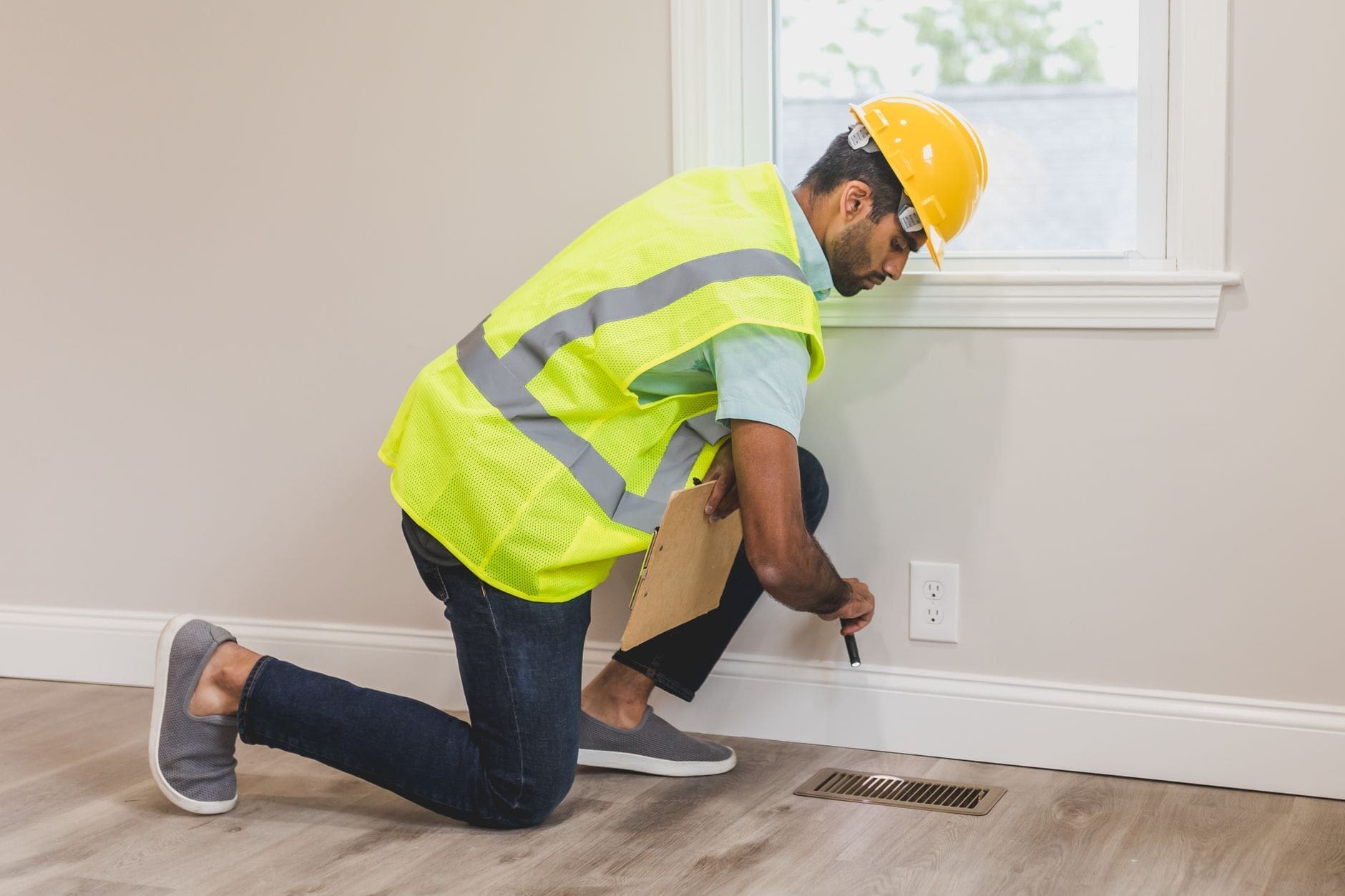
A Level 2 survey is designed for properties that appear fairly conventional and in reasonable condition. It is a visual inspection. If you want the room-by-room picture, see what a Level 2 survey checks in detail. That means the surveyor looks at what can be seen and accessed at the time of the visit, then reports on visible defects, risks, and areas that may need closer attention.
This is important because some buyers assume the survey includes detailed testing of every system in the building. It does not. The role of the survey is broader. It looks at the condition of the property as a whole and comments on elements that appear defective, ageing, poorly maintained, or likely to need further review.
With electrics and plumbing, this usually means the surveyor is considering questions like these:
- Do the visible fittings look old, damaged, or poorly installed?
- Are there signs of water leaks or past leakage?
- Does the system appear dated compared with the age and type of property?
- Are there visible warning signs that suggest specialist inspection may be sensible?
That makes the survey useful, but it also explains its limits. A surveyor can often spot red flags. They are not there to carry out a full technical assessment of electrical circuits or internal pipework.
What a Level 2 survey may say about electrics
Electrics are a common source of buyer anxiety because many issues are hidden behind walls, ceilings, or consumer units. A Level 2 survey cannot see inside all of that. What it can do is comment on visible electrical features and the overall impression they give.
For example, the survey may note the apparent age and type of visible electrical fittings. It may comment where sockets, switches, light fittings, or the consumer unit appear dated, damaged, or inconsistent with modern expectations. It may also note visible signs of amateur alteration, exposed wiring, or fittings that look poorly installed.
Visible electrical issues a surveyor may flag
- older-style consumer units
- damaged sockets or switches
- loose fittings or visible wiring
- signs of poor-quality alterations
- limited socket provision in older homes
- obvious wear to light fittings or cables
These points do not prove the whole electrical system is unsafe. They do tell you whether the visible parts suggest the system may be old, altered, or in need of closer review.
This is often enough to guide the next step. If the electrics look modern and no obvious concerns are visible, the report may simply note that no major visible issues were apparent at the time of inspection. If the visible features look dated or there are signs of poor alteration, the report may recommend a specialist electrical check.
What the survey is not doing with electrics
The surveyor is not carrying out a full electrical inspection. They are not dismantling fittings, testing circuits in a specialist way, or certifying the electrical installation. So if you are expecting a pass-or-fail technical statement on the whole system, that sits outside the purpose of a Level 2 survey.
That is why wording in the report often matters. A survey may say that visible electrical installations appear dated, or that specialist inspection is recommended, rather than giving certainty about the internal condition of the whole system.
What a Level 2 survey may say about plumbing
Plumbing concerns are often easier to spot visually than electrical ones, but not always. A Level 2 survey may comment on visible pipework, water tanks where relevant, sanitary fittings, water staining, leaks, dampness, and the general visible condition of plumbing-related elements.
The surveyor may also note signs that the plumbing system has been altered, repaired, or maintained to a poor standard. In some homes, the concern is not a dramatic leak. It is a collection of clues that suggest water has escaped before, fittings are ageing, or visible work looks untidy or improvised.
Visible plumbing issues a surveyor may flag
- water staining around sanitary fittings or ceilings
- leaks or signs of past leakage beneath sinks or basins
- poorly boxed-in pipework or rough alterations
- older visible pipe materials
- limited access to key plumbing areas
- dampness near bathrooms, kitchens, or utility spaces
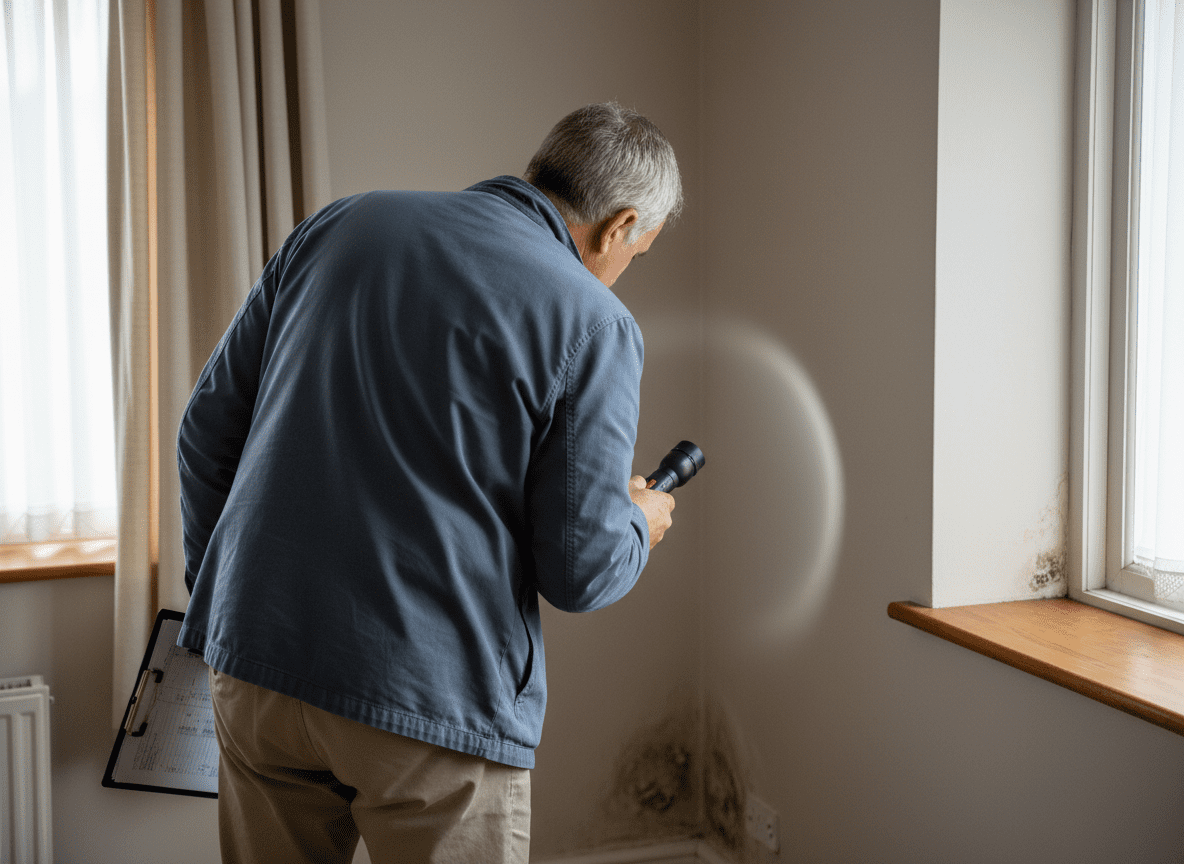
The survey may also draw links between plumbing and wider condition issues. For example, staining on a ceiling below a bathroom, damaged sealant around a shower, and mould growth in the same area may all point to a moisture problem that needs further attention.
This is one of the strengths of a survey. It does not look at plumbing in isolation. It connects visible plumbing concerns with their effect on the property’s condition.
What the survey is not doing with plumbing
The survey is not pressure-testing the plumbing system, lifting floors to inspect hidden pipe runs, or carrying out a specialist heating or drainage survey. It may run simple checks where appropriate, but the inspection remains visual and non-invasive.
That matters because many plumbing issues are concealed. A property can show no major visible leakage on the day of inspection and still have hidden pipework concerns. A survey cannot promise to uncover defects that are not visible or accessible.
| Area | What a Level 2 survey may do | What it does not do |
|---|---|---|
| Electrics | Comment on visible fittings, age, condition, and warning signs | Full electrical testing or certification |
| Plumbing | Comment on visible leaks, staining, pipework, and fittings | Full system testing or hidden pipework inspection |
| Heating-related signs | Note visible concerns where relevant to condition | Specialist servicing or full performance testing |
Why this is not the same as specialist testing
This is the point that causes most confusion. A survey and a specialist test can both be useful, but they are not the same service. One is a broad condition review of the property. The other focuses on a specific technical system.
A Level 2 survey answers questions like:
- Are there visible signs that the electrics may be old or altered?
- Are there visible leaks, stains, or plumbing-related defects?
- Do the visible installations give cause for concern?
- Should further inspection be considered before you proceed?
A specialist check answers narrower questions, such as the technical condition of a system, compliance, or whether certain parts need repair or replacement. That sits outside the normal scope of a Level 2 survey.
That does not reduce the value of the survey. It simply tells you where it fits in the process. Many buyers do not need specialist checks on every house they view. What they need first is a reliable picture of the property’s visible condition and whether any systems show signs that warrant more investigation.
Think of it this way: a Level 2 survey helps you decide whether visible signs point to bigger questions. It is not a replacement for an electrician, plumber, or heating engineer where system-specific testing is needed.
What kinds of clues matter most?
Buyers often expect one obvious defect to tell the whole story. In practice, surveyors look for patterns. A single old socket may not mean much on its own. A very dated consumer unit, a patchwork of mismatched fittings, exposed wiring, and signs of poor alteration together may paint a clearer picture.
The same applies to plumbing. One stained patch below a bathroom could have different causes. But if the survey also notes tired sealant, poor ventilation, damaged finishes, and visible leakage marks around fittings, the report can build a stronger case for closer review.
This is why a survey is useful even without specialist testing. It helps pull together visible clues and place them in context.
- age and style of fittings
- quality of visible workmanship
- signs of wear, damage, or moisture
- evidence of alteration or patch repairs
- how these issues affect surrounding parts of the property
When further checks may be sensible
A report does not need to identify a major failure for further checks to make sense. Often, the recommendation is based on visible age, incomplete information, or warning signs that the system may not be easy to judge from a visual inspection alone.
Further checks may be sensible if:
- the electrics look dated or have visible signs of poor alteration
- there are repeated signs of leaks or water staining
- visible plumbing work appears rough or incomplete
- the property is older and system upgrades are unclear
- you already had concerns from the viewing that the survey supports
This is not about turning every purchase into a long list of extra reports. It is about using the survey findings properly. If the report says the visible condition raises concern, that is a prompt to look more closely before you commit.
In many cases, the survey helps you move from vague worry to a more practical next step. That alone can be very valuable in a purchase decision.
Would Level 3 be a better fit in some cases?
Sometimes, yes. If the property is older, altered, or more complex, a RICS Level 3 Building Survey may be the better choice overall. That does not mean Level 3 becomes a full electrical or plumbing test. It does mean the survey can offer more detailed comment on the property’s condition and the implications of visible defects.
For example, if you are buying an older home with a patchwork of visible alterations, dated services, previous water damage, or signs of repeated repair, Level 3 may provide a better level of explanation. It is often more suitable where the property itself is less straightforward.
If you are unsure whether Level 2 or Level 3 fits the property, the answer usually depends on the age, type, and condition of the home. The Choosing the Right Survey hub is a helpful place to compare the options.
What a buyer should take from the report
The main value of the report is clarity. You want to understand whether the visible condition of the electrics and plumbing appears reassuring, uncertain, or concerning enough to justify more investigation.
The report may not tell you every technical detail of each system. What it should do is help you judge whether the property still feels like the right fit, and whether there are any visible service-related issues that need closer attention before you commit.
That could mean:
- moving forward with more confidence where no major visible concerns appear
- seeking specialist checks where visible warning signs exist
- asking follow-up questions about items mentioned in the report
- using the findings to make a more informed buying decision
A survey helps you understand the property’s condition before you commit. That includes the visible signs around electrics and plumbing, even where the final answer may still require a specialist check.
Key takeaway: a Level 2 survey may comment on visible concerns with electrics and plumbing, such as older fittings, poor alterations, leaks, or staining. It does not test those systems in a specialist way. Its value lies in flagging warning signs and helping you decide whether closer checks are needed.
Not sure whether Level 2 or Level 3 fits the property?
Blue Blossom Surveys Ltd can help you choose the most suitable survey based on the age, type, and visible condition of the home you are buying.
FAQs
Does a Level 2 survey test the electrics?
No. It may comment on the visible condition and apparent age of electrical fittings, but it does not replace a specialist electrical inspection.
Does a Level 2 survey test the plumbing system?
Not in a specialist way. It may note visible leaks, staining, or poor visible plumbing work, but it is not a full plumbing or heating test.
Can a surveyor tell if the wiring is unsafe?
The surveyor may flag visible signs that suggest concern, but they do not certify the whole installation through a Level 2 survey.
Will the survey mention old pipework or leaks?
Yes, where visible signs are present. The report may note ageing visible pipework, water staining, leaks, or plumbing-related defects affecting the property.
Should I choose Level 3 if I am worried about services in an older house?
That may be the better fit if the property is older, altered, or more complex, because Level 3 usually gives more detailed condition comment across the building as a whole.
Related reading: Does a Level 2 Survey Check for Asbestos, Japanese Knotweed and Environmental Risks?.








0 Comments