

Buying a House for Cash: Do You Still Need a Home Survey?
Paying cash for a property puts you in a strong position as a buyer. There is no mortgage lender and no lender-appointed valuer involved, which means nobody is going to require you to have a survey carried out. But that does not mean you should skip it.
In fact, some of the strongest arguments for getting a home survey apply just as much — if not more — to cash buyers. Here is what you need to know before deciding.
Quick answer
No law or rule requires cash buyers to have a survey. But a RICS home survey is still highly recommended. Without a mortgage lender pushing for due diligence, the responsibility for understanding the property’s condition falls entirely on you.
Why cash buyers often skip the survey
Cash purchases are typically faster and less complicated than mortgaged ones. With no lender in the process, there are fewer forms, fewer professionals involved, and fewer delays. It can feel like a survey is just one more step that does not really apply to you.
Some cash buyers also feel that because they are not borrowing money, the risk is somehow lower. In practice, the opposite is closer to the truth — you are committing your own funds, with no lender acting as a secondary check on the property’s condition or value.

What a survey actually does for a cash buyer
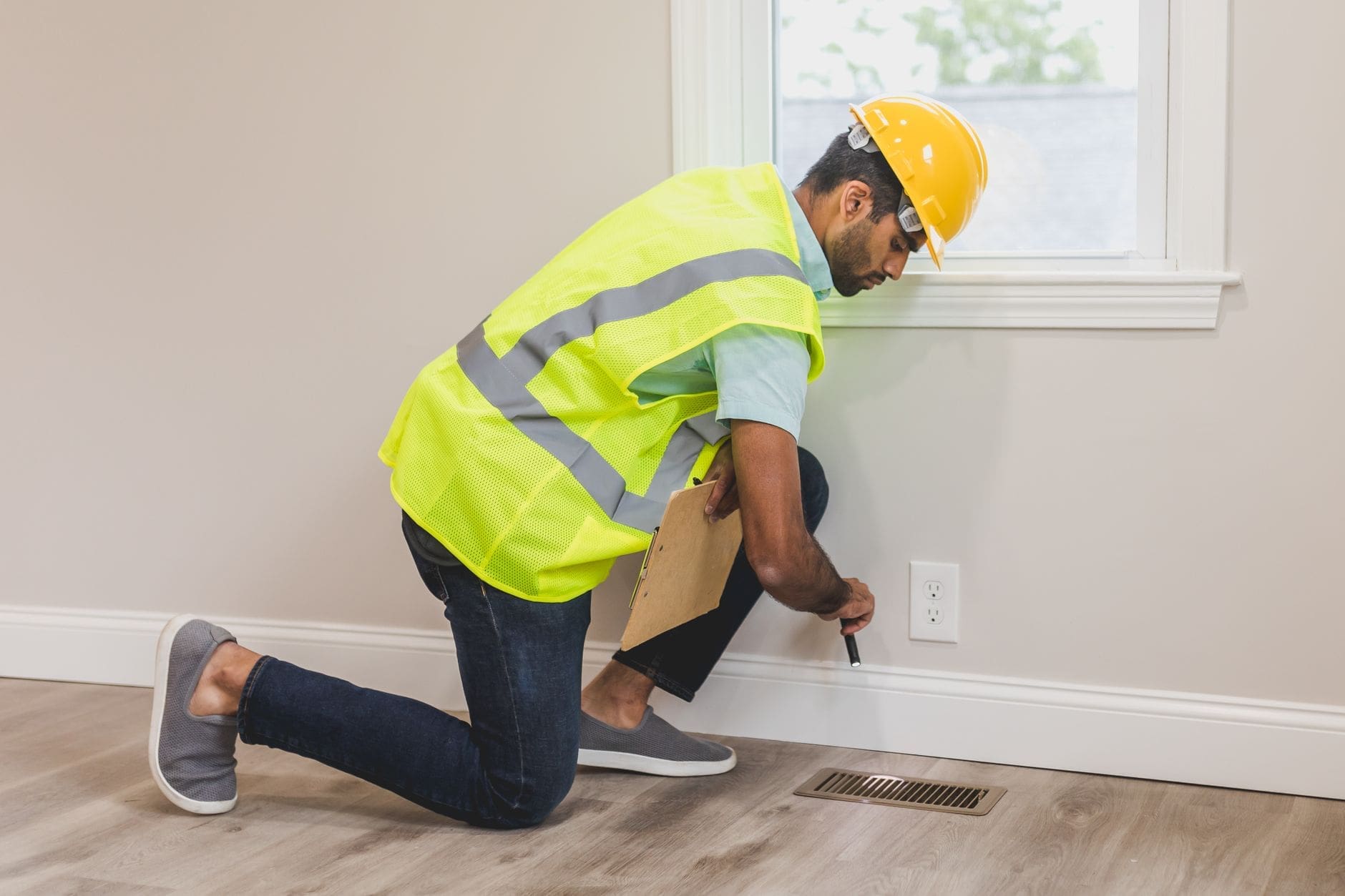
A home survey is an independent inspection carried out by a qualified RICS surveyor. It examines the condition of the property and produces a report highlighting any concerns — from minor maintenance issues to significant structural defects.
For a cash buyer, this information is just as relevant as it is for anyone taking out a mortgage. The key difference is that you have no external safeguard. If you buy a property with a hidden defect and had no survey carried out, the cost of putting it right falls entirely on you.
Uncovering problems before you commit
A survey gives you the chance to find out about problems before the sale completes. This might include damp, roof defects, structural movement, drainage issues, or problems with extensions. Some of these can be expensive to address.
With this information, you can decide whether to proceed, renegotiate the price, ask the seller to carry out repairs, or walk away — all before you have transferred the money.
Protecting the full amount you are spending
When a mortgage lender is involved, the lender’s valuation provides a basic check that the property is worth roughly what you are paying. As a cash buyer, you do not have that safety net unless you arrange your own survey.
A RICS survey does not replace a formal valuation, but it does give you a clear picture of the property’s condition — which is closely linked to its true market value.
Which survey is right for a cash buyer?
The right survey depends on the type and age of the property you are buying, not on how you are funding the purchase.
| Survey type | Best for | What it covers |
|---|---|---|
| RICS Level 2 Homebuyer Survey | Modern homes in reasonable condition | Condition ratings, urgent repairs, damp, drainage, roof, services (visual) |
| RICS Level 3 Building Survey | Older, larger, altered, or higher-risk properties | Full structural analysis, defect causes, repair options, maintenance advice |
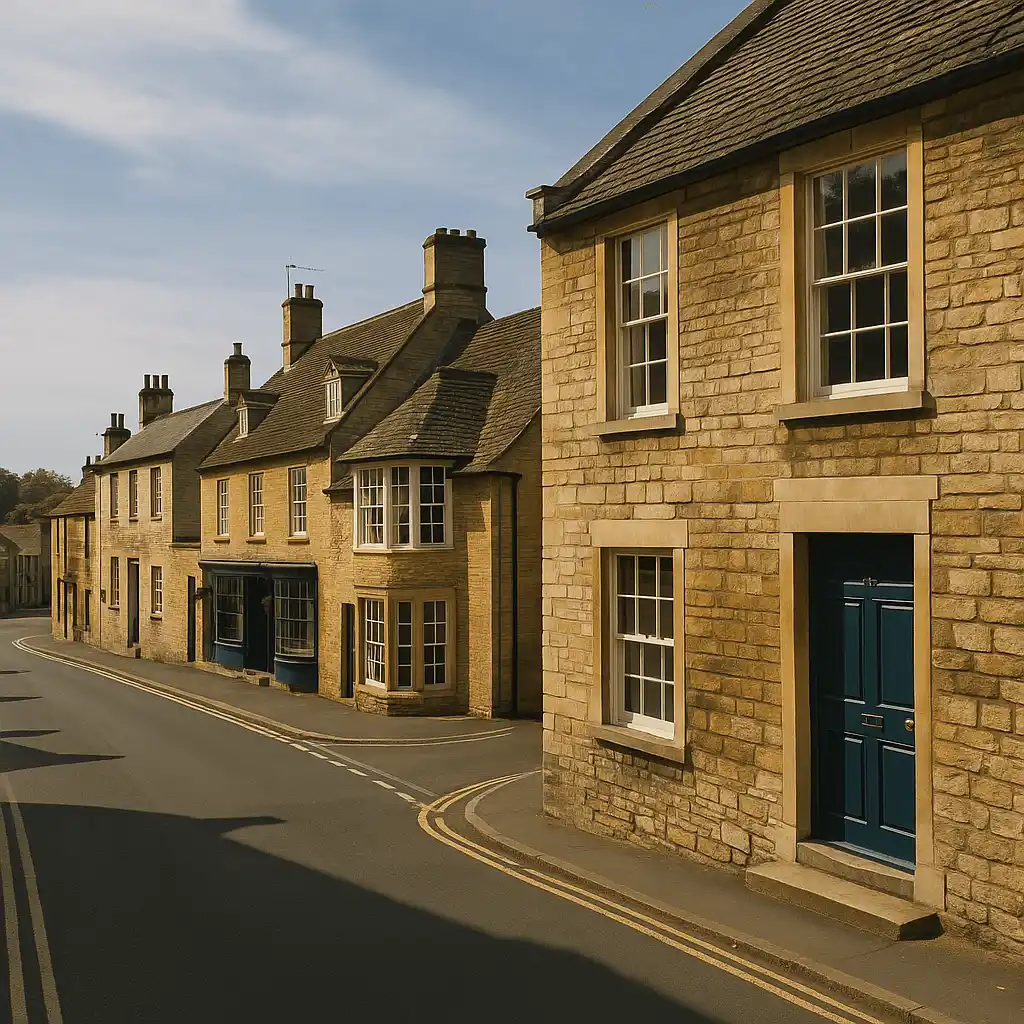
If you are buying a 1990s semi-detached in broadly good condition, a RICS Level 2 Homebuyer Survey will usually be appropriate. If the property is Victorian, Edwardian, has had extensions or alterations, or shows any signs of age-related wear, a RICS Level 3 Building Survey gives you a more detailed picture.

Can cash buyers negotiate based on survey findings?
Yes — and this is one of the most practical reasons to have a survey carried out even when it is not required. If a survey reveals significant defects or repair needs, you have grounds to:
- Ask the seller to reduce the price to reflect the cost of remedial work
- Request that specific repairs are carried out before completion
- Seek specialist advice or additional surveys on specific concerns
- Withdraw from the purchase if the findings are too significant
A clear, detailed survey report from a RICS surveyor gives you factual, independent evidence to support any renegotiation.
What about buying at below market value?
Some cash buyers specifically target properties priced below their apparent market value — perhaps because they need work, are being sold quickly, or have known issues. In these cases, a survey is even more important.
Understanding the full extent of what needs doing helps you calculate whether the purchase price genuinely reflects a good deal or whether the cost of repairs could erode any saving you thought you were making.
A note on auction purchases
Cash buyers purchasing at auction face an additional consideration. Once the hammer falls, the purchase is legally binding. This makes a pre-auction survey particularly important — you need to know what you are buying before you bid, not after.
How much does a survey cost compared to what it could save?
The cost of a home survey is modest compared with the potential cost of discovering significant defects after completion. Roof repairs, structural remediation, or drainage problems can each run into thousands of pounds — sometimes tens of thousands on older properties.
A survey does not guarantee that every defect will be found, but it significantly reduces the chance of an expensive surprise. For cash buyers committing their own funds, that peace of mind has real financial value.
Not sure which survey is right for your property?
Blue Blossom Surveys Ltd provides RICS Level 2 and Level 3 surveys for buyers across Peterborough and the surrounding area. Contact us to discuss which survey fits your property and purchase plans.
Frequently asked questions
Is a home survey a legal requirement for cash buyers?
No. There is no legal requirement for a cash buyer to have a home survey. The requirement to arrange a survey is usually driven by mortgage lenders, who want assurance that the property is suitable security for a loan. Without a lender, no one will insist on a survey — the choice is yours.
What is the difference between a survey and a valuation?
A valuation gives an opinion on the property’s market value, usually to satisfy a lender. A survey assesses the property’s condition and identifies any defects or concerns that a buyer should know about. Cash buyers do not need a valuation for a lender, but they may benefit from a survey to understand what they are buying.
Can a survey help me negotiate the price as a cash buyer?
Yes. If the survey identifies problems or repair needs, you have factual, independent grounds to negotiate a price reduction or ask the seller to address specific issues before completion. The survey report provides evidence to support that conversation.
Which survey level should a cash buyer choose?
The right level depends on the property itself — its age, type, and condition — rather than how the purchase is funded. A Level 2 survey is generally suitable for modern properties in reasonable condition. A Level 3 Building Survey is recommended for older, larger, or more complex properties. If you are unsure, get in touch and we can help you decide.
How long does a survey take to arrange?
This varies depending on the surveyor’s availability. It is worth arranging a survey as early as possible in the buying process so that the findings do not delay your timeline unnecessarily.
What if I am buying a property at auction for cash?
Auction purchases are legally binding once the hammer falls, so it is important to have a survey carried out before you bid, not after. This allows you to understand the property’s condition and set your maximum bid accordingly.






0 Comments