

Buying an Ex-Council House: Which Survey Do You Need?
Millions of former council properties have been sold into private ownership since the Right to Buy scheme was introduced in the 1980s. These homes — from post-war terraces and semi-detached houses to concrete panel blocks and high-rise flats — now make up a significant part of the UK’s housing stock.
Ex-council properties are often well-sized and well-located, and they can offer genuine value. But they also come with specific structural and construction characteristics that make an independent RICS survey particularly important before you commit to buy.
Quick answer: For most ex-council properties, a RICS Level 3 Building Survey is the recommended option. Many were built using non-standard construction methods that require more thorough investigation than a Level 2 survey provides. If the property was built in standard brick construction and is in sound condition, a Level 2 may be appropriate — but this is worth discussing with a surveyor before you decide.
What Makes Ex-Council Properties Different?
Local authority housing built from the 1920s to the 1980s covers an enormous range of construction types, ages, and conditions. Some properties are traditionally built in brick and tile and remain sound. Others were constructed using methods that were innovative at the time but are now understood to carry specific risks.
The key issue for buyers is that non-standard construction types may affect the property’s value, its mortgageability, and the likely costs and complexity of future repairs. A RICS surveyor who inspects the property will identify the construction type and explain what it means for you as a buyer.
Common non-standard construction types in ex-council homes
- Concrete panel systems — such as the Reema, Wimpey No-Fines, and Cornish Unit types. Some of these have been designated as defective under the Housing Defects Act 1984 and may be difficult to mortgage without remediation.
- Prefabricated reinforced concrete (PRC) — panels or frames using reinforced concrete, which may be subject to carbonation and reinforcement corrosion over time.
- Steel frame construction — such as BISF (British Iron and Steel Federation) houses, which require specialist inspection to check for corrosion within the frame.
- Timber frame — often sound but requiring assessment of the structural integrity of the frame and any moisture ingress.
- Airey houses, Unity and Woolaway types — common ex-council designs with known structural characteristics that require careful review.
Not every ex-council property is non-standard. Many were built in traditional brick and cavity construction and present no particular concern. The point is that you need to know which type you are buying — and a survey is the most reliable way to find out.

Why a Level 3 Building Survey Is Usually Recommended
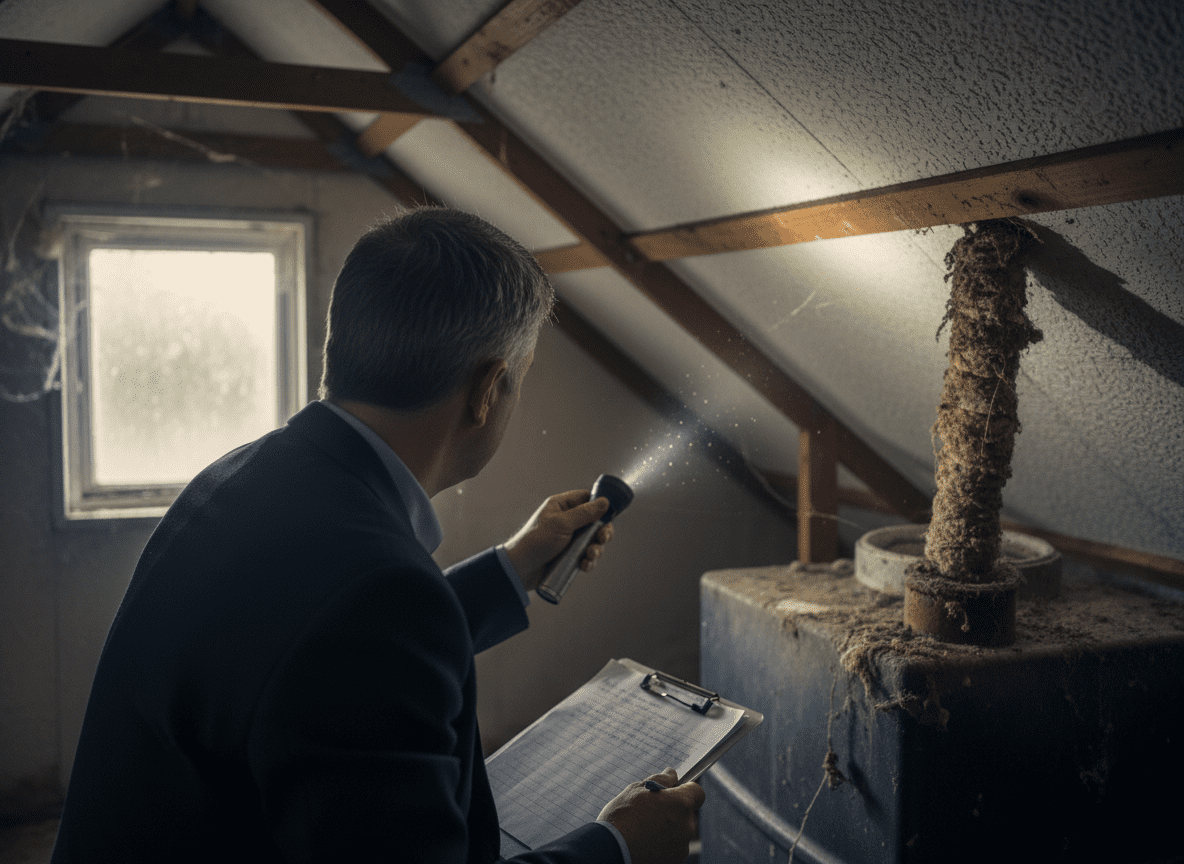
A RICS Level 3 Building Survey provides the most thorough assessment available. Your surveyor will inspect the property systematically, assess the construction type, and give you detailed advice on condition, defects, and any areas where further specialist investigation is recommended.
For ex-council properties, this level of detail matters because:
- The construction type affects how defects manifest, what causes them, and what is needed to repair them
- Non-standard construction types may limit your mortgage options or require specialist lenders
- Some construction types have known failure modes that only become apparent under thorough inspection
- Remediation works, if needed, can be significant in cost — knowing about them before exchange is essential
A Level 3 survey will typically include advice on the specific construction type, a detailed assessment of defects, and clear guidance on what further specialist investigations are recommended — for example, a structural engineer’s report or a specialist PRC inspection where relevant.
When might a Level 2 survey be appropriate?
A RICS Level 2 Homebuyer Survey may be appropriate for an ex-council property that was built in conventional brick construction, is in reasonable condition, and shows no visible signs of structural movement or significant defects. If the property falls into this category, a Level 2 survey provides a good practical overview of condition and is likely to be sufficient.
If you are unsure which level is right for the property you are considering, we can help you make that decision based on what you know about the home’s age, type, and visible condition.
What Will a Survey Look For in an Ex-Council Property?
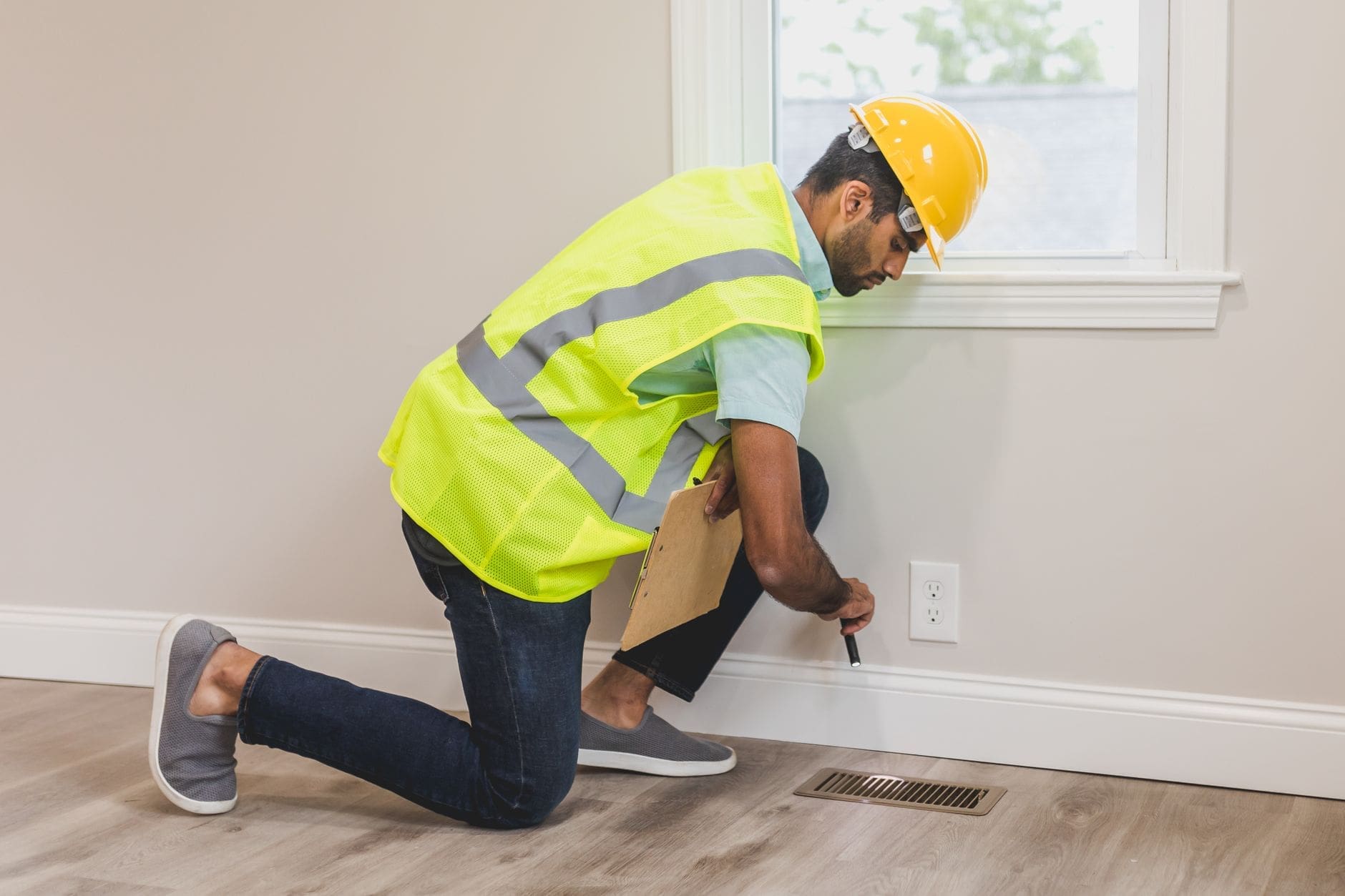
The inspection will cover all the elements you would expect in any survey, with particular attention to areas that are more commonly problematic in ex-council stock.
| Area inspected | Specific considerations in ex-council properties |
|---|---|
| Structure and construction type | Identification of construction method; assessment of known failure modes; recommendations for specialist reports if needed |
| Roof | Condition of covering, structure, and any flat roof sections; insulation levels; evidence of leaks or previous repairs |
| Damp and moisture | Rising damp; penetrating damp through panels or concrete elements; interstitial condensation in panel construction |
| Windows and doors | Replacement glazing installed over original openings; condition of frames and seals |
| Heating and services | Age and condition of boiler and heating system; electrical installation age |
| Alterations and extensions | Quality of work; building regulations compliance; impact on structure |
Mortgageability and Non-Standard Construction
One practical issue that affects some ex-council buyers is mortgageability. Certain non-standard construction types — particularly those designated as defective — are declined by many mainstream lenders. This means you may need a specialist mortgage, or the property may need to have been repaired and certified before a standard lender will lend against it.
A survey will identify the construction type and flag any concerns about mortgageability. Your solicitor and mortgage broker should also be aware of the construction type early in the process so they can advise on your financing options before you exchange.
If your survey identifies a property as potentially non-mortgageable in its current form, you can make an informed decision about whether to proceed, renegotiate the price, or require remediation works as a condition of sale.
Right to Buy: Survey Considerations for Existing Tenants
If you are purchasing the property you currently live in through the Right to Buy scheme, a survey is still valuable — perhaps more so than many buyers realise. Living in a property gives you day-to-day familiarity with it, but it is not the same as a professional structural inspection.
A RICS survey before you complete your Right to Buy purchase gives you independent professional advice on the condition of the home you are about to take full financial responsibility for. If significant works are needed, that information is useful before exchange, not after.
Frequently Asked Questions
What is non-standard construction and does it matter for a survey?
Non-standard construction refers to methods that differ from traditional brick and block or brick and cavity wall construction. It matters for surveys because different construction types have different structural characteristics, failure modes, and repair methods. Your surveyor will identify the construction type and explain the implications in practical terms.
Will my mortgage lender accept a non-standard construction property?
It depends on the specific construction type and the lender. Some non-standard types are widely accepted; others — particularly certain concrete panel types designated as defective — are declined by most mainstream lenders. Your solicitor and mortgage broker should be involved early in the process so you can assess your options before exchange.
Do I need a survey if the property has been renovated?
Yes. Renovation work can resolve underlying issues — but it can also mask them, introduce new ones, or, if carried out without building regulations approval, create compliance problems. A survey will assess the quality and impact of any alterations, not just the original construction.
Can a Level 2 survey identify non-standard construction?
A RICS Level 2 Homebuyer Survey will note if the construction type is non-standard and flag the implications. However, the level of detail and specialist advice available through a Level 3 Building Survey is generally more appropriate where non-standard construction is involved or suspected.
What is a PRC certificate and do I need one?
A PRC (prefabricated reinforced concrete) certificate is a document that confirms a defective concrete property has been repaired to an approved standard. If the property you are buying is a PRC type, your lender will almost certainly require a valid PRC certificate. Your surveyor will flag this if relevant, and your solicitor can advise on what documentation should be in place.
Buying an ex-council property? Blue Blossom Surveys Ltd provides RICS Level 2 and Level 3 surveys across Peterborough, Corby, Oakham, Stamford, Wisbech, and surrounding areas. Contact us to discuss which survey is right for the property you are buying.






0 Comments