

What Problems Do Surveyors Find in New Build Homes?
New homes often look perfect on the surface.
Fresh paint, modern kitchens, and clean finishes can make a property feel flawless during a viewing.
However, new build homes still contain defects. Construction speed, multiple trades working at the same time, and tight development schedules mean small problems are common.
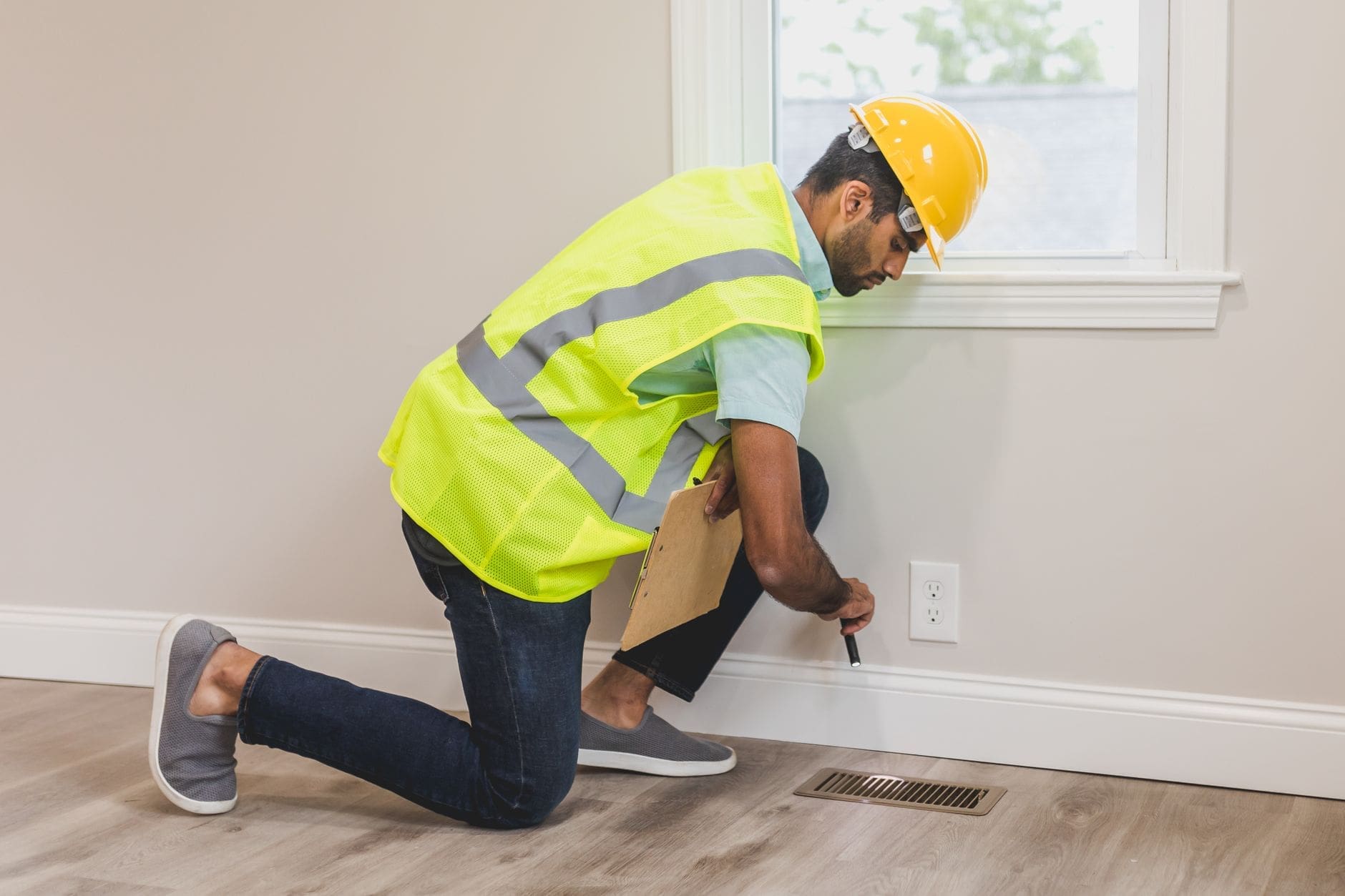
This is why many buyers choose a snagging inspection or pre-completion survey before moving in.
Key point: Most new build defects are not structural failures. They are workmanship issues that are easier to fix before you complete the purchase.
Why defects are common in new build homes
Large developments often involve many contractors working on different parts of the property.
For example:
- Bricklayers completing external walls
- Electricians installing wiring
- Plumbers fitting bathrooms
- Decorators finishing internal surfaces
When schedules are tight, small mistakes sometimes slip through final checks.
A snagging inspection helps identify these issues before the buyer accepts the property.
1. Poor finishing and cosmetic defects
The most common problems found in new build homes involve finishing quality.
Typical examples include:
- Uneven paintwork
- Damaged plasterboard
- Scratched windows
- Misaligned doors
- Loose fixtures and fittings
These defects may seem minor, but they should still be corrected before completion.
2. Doors and windows that do not close properly
Surveyors often find poorly adjusted doors and windows in new properties.
This can happen when frames settle slightly after installation.
Common signs include:
- Doors rubbing against frames
- Locks that do not align
- Gaps around window seals
- Handles that feel stiff or loose
While usually easy to fix, these issues can affect security and insulation.
3. Plumbing issues
Bathrooms and kitchens contain many fittings installed late in the build process.
Because of this, plumbing defects are frequently identified during snagging inspections.
| Common plumbing defects | Typical sign |
|---|---|
| Leaking pipe connections | Damp patches or water under sinks |
| Poorly sealed showers | Water escaping onto bathroom floors |
| Low water pressure | Weak taps or showers |
| Incorrect drainage fall | Slow draining sinks or baths |
4. Insulation and ventilation problems
Modern homes rely heavily on insulation and ventilation to prevent condensation.
Surveyors sometimes find:
- Missing loft insulation
- Poorly installed insulation boards
- Bathroom extractor fans not connected properly
- Blocked ventilation paths
If ventilation does not work correctly, condensation and mould can develop quickly.
5. Roof and gutter defects
Roof areas are another common source of snagging issues.
Typical problems include:
- Loose roof tiles
- Poor flashing around chimneys or vents
- Blocked gutters
- Incorrectly installed downpipes
These defects may not appear until heavy rain occurs.
6. External drainage and paving issues
External areas often receive less attention during the final stages of construction.
Surveyors regularly find:
- Uneven paving slabs
- Driveways with poor drainage fall
- Loose kerbs
- Standing water around the property
Drainage problems can lead to water pooling against walls if left unresolved.
7. Poor brickwork or external finish
External walls sometimes show defects once construction is complete.
Examples include:
- Inconsistent mortar joints
- Damaged bricks
- Missing weep vents
- Poorly finished pointing
These issues may affect both appearance and moisture control.
Why a snagging inspection matters
Most new build developers provide warranties and defect periods.
However, identifying problems before completion makes repairs much easier.
A professional inspection provides a detailed snagging list that the developer can address before you move in.
This process helps ensure the property meets expected construction standards.
Frequently asked questions
Are defects normal in new build homes?
Yes. Most new homes contain minor defects. Snagging inspections help identify them early so they can be corrected.
When should a snagging inspection take place?
Many buyers arrange a pre-completion inspection shortly before the purchase finalises.
Do developers fix issues found during snagging?
Developers typically repair defects identified before completion or during the warranty period.
Is a survey necessary on a new build property?
Although new homes are covered by warranties, inspections can still highlight workmanship problems that should be resolved early.
If you are buying a newly built property, a pre-completion inspection can identify issues before you move in. This helps ensure defects are corrected while the developer is still responsible for repairs.







0 Comments