

If you are buying a home, you may hear the phrase mortgage survey and assume the lender is arranging a proper inspection. In most cases, they are not. They are arranging a mortgage valuation, and it exists to protect the lender, not you.
This matters because a property can look fine at viewing and still hide damp, roof issues, movement, or poor alterations. A valuation can miss those problems. A survey aims to highlight them.
This guide explains what a mortgage valuation covers, what it does not cover, and how a HomeBuyer Report fits into the buying process. It also shows when a Level 3 Building Survey makes more sense.
Mortgage Valuation vs Level 2 Survey – Quick Comparison
| Feature | Mortgage Valuation | Level 2 Home Survey |
|---|---|---|
| Purpose | Protects the lender’s loan | Protects you as the buyer |
| Depth of Inspection | Very limited | Visual inspection of key elements |
| Report Detail | Basic valuation summary | Detailed condition report with RICS ratings |
| Negotiation Value | Rarely supports renegotiation | Can highlight issues affecting price |
| Who It Benefits | The lender | You, the buyer |
| Typical Cost | Often included in mortgage fee | Separate fee depending on property size |
What a mortgage valuation is
A mortgage valuation is a lender check. The lender wants to know whether the property offers enough security for the loan. The valuer looks at the property through that lens.
In many cases, the valuation is quick. It may involve a short visit, or it may be desktop-based, using recent sales data and assumptions about condition. That is why buyers feel surprised when issues appear later.
Plain English: a mortgage valuation helps a lender decide whether to lend. It does not give you a full picture of condition, defects, or future repair cost.
If you want an inspection that focuses on your risk as a buyer, look at the Choosing the right survey guide and compare options based on the property, not the mortgage.
What it checks and what it misses
Valuations vary by lender and by property, but the purpose stays the same. You should assume it is limited unless the lender says otherwise in writing.
If you want to understand exactly what protection a survey provides, see our full guide to what a Level 2 home survey includes.
If the property is older or altered, you may need a building survey for older properties instead.
Unsure about timing? Read how long a survey takes and when you’ll receive your report in our guide to home survey timescales.
What a mortgage valuation typically checks
- General market value against comparable properties
- Obvious defects that could affect value or saleability
- Any clear signs of major movement or serious disrepair
- Whether the property appears mortgageable in its current state
What a mortgage valuation often misses
- Early-stage damp problems, especially where décor hides staining
- Roof defects that are not visible from ground level
- Poor ventilation leading to condensation and mould risk
- DIY alterations that look neat but have hidden faults
- Drainage issues, blocked gullies, and incorrect falls
- Timber decay in concealed areas
A survey is also visual and non-invasive, but it gives you far more detail than a lender valuation. The focus shifts from “can we lend” to “what are you buying, and what might it cost you”.
Why “mortgage survey” causes confusion
Estate agents, friends, and even some buyers use “mortgage survey” as a catch-all term. It can mean different things depending on who says it.
- Some people mean the mortgage valuation.
- Some people mean a HomeBuyer Report.
- Some people mean “any check that happens after the offer”.
That is why it helps to use clearer language when you book. Ask: “Is this a mortgage valuation, or is it a buyer’s survey?” If you do not commission your own survey, you usually do not get one.
Common mistakes buyers make at this stage
Assuming the lender’s valuation protects you
The valuation protects the lender. If issues appear later, the lender still expects repayment. You deal with the repairs.
Leaving the survey too late
Surveys work best before you exchange. If you wait until the chain feels “nearly there”, you may have less time to act on findings.
Choosing the survey type based on cost alone
Price matters, but suitability matters more. A cheaper survey that is not right for the property can leave you exposed.
Focusing on cosmetic issues
A survey helps you spot defects that affect safety, repair cost, or future performance. Cosmetic items matter less than damp, roofs, movement, and poor alterations.
What a HomeBuyer Report includes
A HomeBuyer Report is a common name for a RICS Level 2 HomeBuyer Survey. It suits many conventional properties that appear to be in reasonable condition.
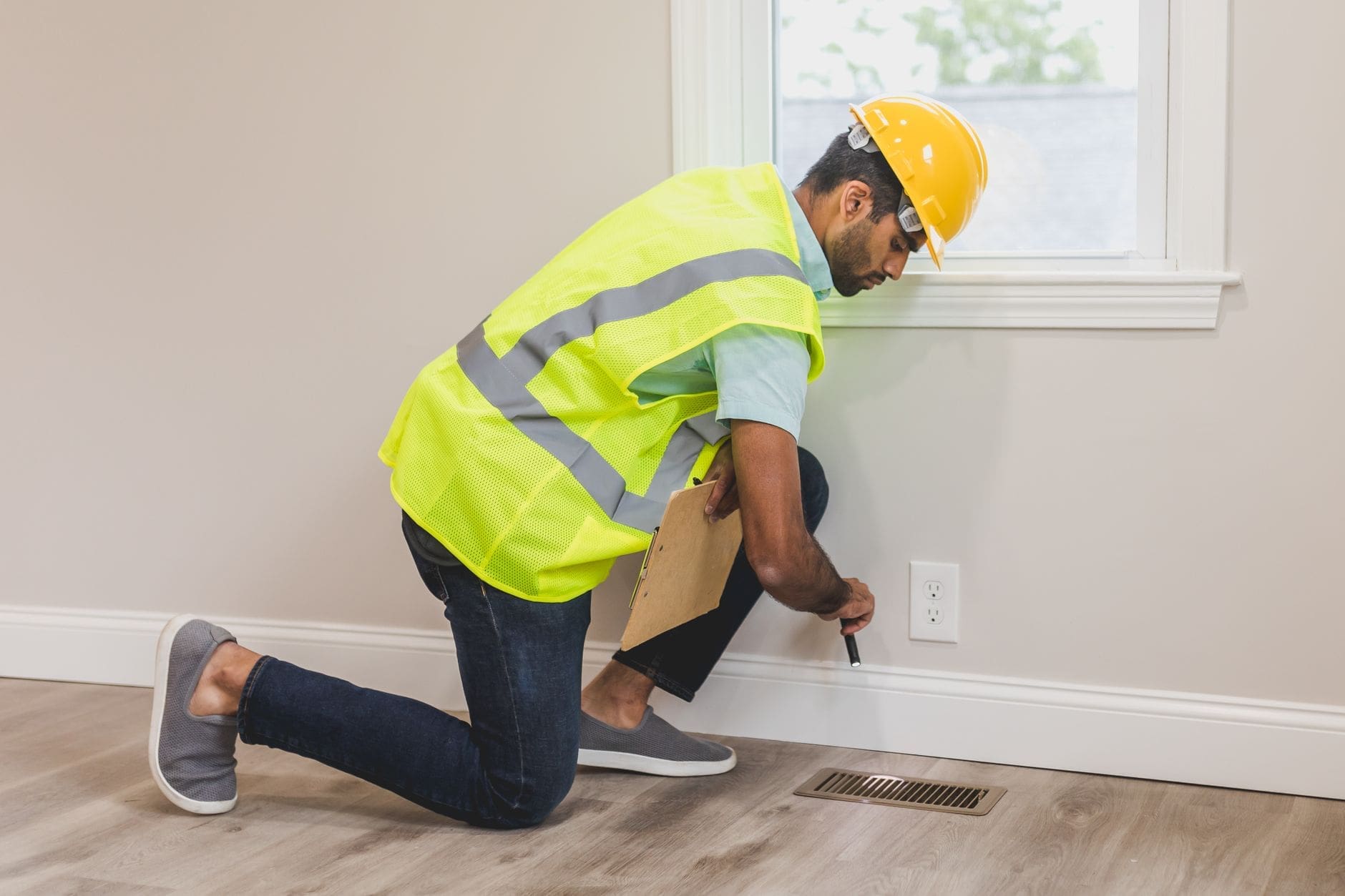
It is a visual inspection. The surveyor checks accessible elements and reports defects, risks, and what you should do next. It is not invasive. It does not involve lifting floors or opening walls.
Where a HomeBuyer Report helps most
- You want a structured view of condition before exchange
- The home is standard construction, such as brick walls and a tiled roof
- The property is not heavily altered or obviously in poor condition
- You want clear priorities, not pages of technical detail
What to remember: the HomeBuyer Report gives you a buyer-focused condition check. A mortgage valuation does not.
When a Building Survey is the better choice
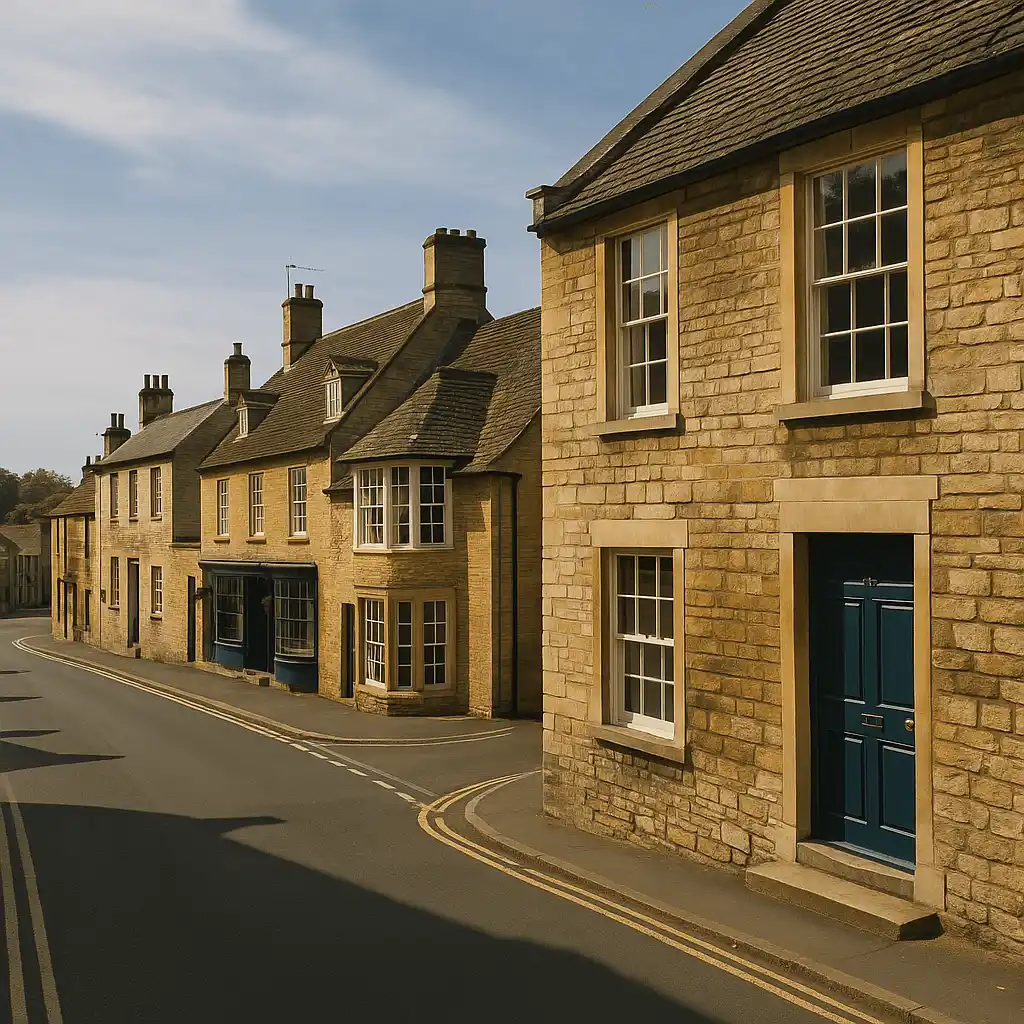
A RICS Level 3 Building Survey suits properties that need more careful consideration. It is still non-invasive, but it goes deeper in explanation and analysis. It is the right move for many older homes, unusual construction types, and buildings that have been significantly altered.
Consider a Building Survey if
- The home is older, especially pre-1900, or has traditional construction
- You can see cracking, damp staining, or uneven floors at viewing
- The property has extensions, conversions, or structural changes
- You plan renovation work and need a clearer condition picture
- The property is unusual, such as flat roofs, timber framing, or non-standard walls
If you are buying a new build, your priority may be snagging rather than a standard condition survey. In that case, a pre-completion inspection can be the better fit.
Mortgage valuation vs survey comparison table
| Check type | Who orders it | Who it protects | What it focuses on | Typical output |
|---|---|---|---|---|
| Mortgage valuation | Lender | Lender | Value and mortgageability | Brief valuation report, often limited detail |
| HomeBuyer Report (Level 2) | Buyer | Buyer | Condition, visible defects, risks, next steps | Structured report with clear ratings and advice |
| Building Survey (Level 3) | Buyer | Buyer | Detailed condition analysis for older or altered homes | More detailed narrative, with repair priorities and context |
Each option answers a different question. A valuation asks “is this property good security for a loan”. A survey asks “what is wrong, what might become a problem, and what should you do next”.
What happens next and when to book
If you are early in the buying process, you can save stress by planning your survey as soon as the offer is agreed. You do not need to wait for the mortgage valuation to finish first.
A simple step-by-step approach
- Step 1: Confirm whether your lender is doing a valuation or something more detailed.
- Step 2: Choose a survey type based on the property, not the mortgage.
- Step 3: Book your survey before exchange so you have time to act on findings.
- Step 4: Use the report to decide on next steps, such as specialist checks or negotiation.
- Step 5: Keep the focus on defects that affect safety, cost, or long-term performance.
When a Mortgage Valuation Is Not Enough
A mortgage valuation will not assess repair risk in detail. It is not designed to investigate condition beyond what affects the lender’s security.
It does not provide RICS condition ratings, so you won’t receive a clear traffic-light summary of urgency or repair priority.
It is not written to support negotiation. The focus is loan value, not defect evidence.
If you want clarity before exchange, a survey offers the detail and reassurance a valuation simply does not provide.
If you are unsure where to start, the survey options guide lays it out in plain terms. If you want to book directly, use our contact page and share the property address and any known issues.
Mortgage valuation vs survey FAQs
Is a mortgage valuation the same as a survey?
No. A mortgage valuation exists to protect the lender. A survey exists to help you understand condition and risk as the buyer.
Why do people call it a “mortgage survey”?
People use the term loosely. Some mean a valuation. Others mean a HomeBuyer Report. The wording creates confusion, so it helps to be specific when booking.
Will the valuer check for damp?
They may note obvious signs, but the valuation does not focus on condition detail. A survey is more likely to highlight damp risks and likely causes from visible evidence.
Can a valuation miss roof problems?
Yes. Many roof issues are difficult to assess from limited viewpoints. A survey provides more detail and may recommend further checks where needed.
Does a HomeBuyer Report include invasive checks?
No. It is visual and non-invasive. It covers accessible elements and highlights risks, with recommendations for specialist inspections where sensible.
Should I get a HomeBuyer Report on a modern house?
Often, yes. Many standard homes fit the Level 2 profile. It provides buyer-focused reassurance that a valuation does not give.
When is a Building Survey better?
Choose Level 3 for older homes, altered properties, unusual construction, or where you can already see signs of defects at viewing.
Can a survey help me renegotiate the price?
It can. Buyers often use clear findings to support negotiations. Focus on defects with genuine cost and risk impact.
Does a survey replace specialist tests?
No. Surveys do not test gas, electrics, or asbestos. If the surveyor identifies concerns, they recommend checks by qualified specialists.
Do I need both a mortgage valuation and a survey?
Most buyers will have a valuation as part of the mortgage process. If you want buyer protection, you normally need to commission a survey separately.
Is this relevant for new builds?
Yes, but new builds often benefit from snagging inspections. If your home is close to completion, a pre-completion inspection may be the right choice.
If you are relying on a lender check, you may only be getting a valuation. A homebuyer report or a Building Survey gives you buyer protection and clearer next steps. Compare options in Choosing the right survey, then book via contact us while you still have time before exchange.








0 Comments