

If you are budgeting for a property purchase, home survey cost in Peterborough in 2026 typically sits between £380 and £1,000 depending on the survey type and the property. The exact figure depends on the survey level, the size and age of the home, and how complex the building is to inspect.
You do not need a precise number on day one. You need a sensible range, a clear way to choose the right survey level, and an understanding of what Peterborough's property mix means for your decision.
This guide covers current prices, what influences them, how Peterborough property types affect the choice, and how to get an accurate quote quickly.
Typical survey costs in Peterborough (2026)
Survey pricing varies by level and property complexity, but Peterborough sits broadly in line with East Midlands averages — below London but comparable with Northampton, Leicester, and Cambridge fringe areas. Below are realistic guide ranges for the area.
| Survey type | Typical property | Guide price range | Best for |
|---|---|---|---|
| RICS Level 2 Home Survey | Post-war or modern home in reasonable condition | £380–£650 | Buyers who want clear condition and risk insight without a full structural report |
| RICS Level 3 Building Survey | Victorian, Edwardian, altered, extended, or non-standard construction | £550–£1,000+ | Buyers who need deeper analysis — causes, implications, and repair priorities explained in full |
Reality check: the right survey is the one that matches the property's risk profile, not the lowest price. A Level 2 on a Victorian terrace that needs a Level 3 leaves you exposed — you spend less on the survey and more on surprises after completion.
Peterborough property types and what to expect
Peterborough has a varied housing stock, and the type of home you are buying has a direct bearing on the right survey level and the likely cost.
Victorian and Edwardian terraces (Millfield, New England, Fletton, Woodston)
These are typically 100 to 130 years old. Original features — solid brick walls, suspended timber floors, sash windows, chimney stacks — all need careful assessment. A Level 3 Building Survey is usually the right choice for these properties. Expect to pay £600–£950 depending on size and complexity. Common findings include damp, chimney defects, original single-glazing, and aging electrical installations.
Inter-war and post-war semis (widespread across the city)
1930s to 1960s semis are the most common property type in Peterborough. Generally well-built and straightforward, a Level 2 Home Survey is often sufficient if the property appears in reasonable condition with no major alterations. Typical cost: £380–£550. If the property has had a loft conversion, rear extension, or shows visible defects at viewing, consider a Level 3.
Modern new builds (Hampton, Cardea, Stanground South, Northstowe fringe)
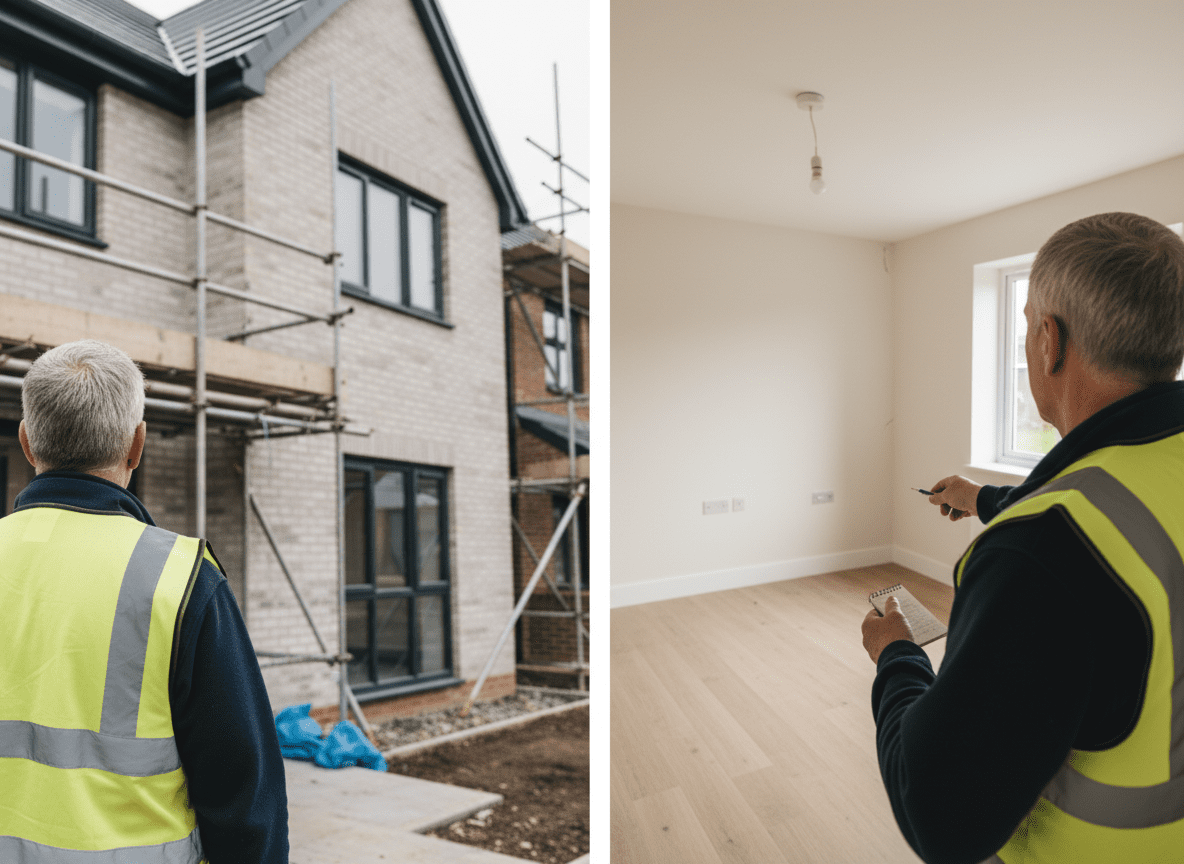
Peterborough is a significant growth area with large-scale new build development on its southern and eastern edges. For new builds, a standard home survey is rarely the right tool — a pre-completion snagging inspection is usually more appropriate, carried out before legal completion while the developer is still responsible for defects. These typically cost £300–£500 depending on property size.
Village properties (Stamford fringe, Oundle, Whittlesey, Thorney, rural Fenland)
Older stone-built, brick-built, or non-standard construction properties in the villages surrounding Peterborough carry higher risk and require more detailed comment. A Level 3 Building Survey is strongly recommended, particularly for anything pre-1920 or built from local limestone or soft brick. Expect £650–£1,000+ for these inspections given the complexity of materials and typical condition.
Converted or non-standard properties
Former commercial buildings, flats above shops, converted chapels, and properties with unusual construction will generally attract a Level 3 recommendation and the higher end of the pricing range. If in doubt, share the listing with us before booking and we can advise on the right level quickly.
What changes the price
When you see different prices quoted, the variation usually comes down to time on site and report depth. These are the main factors:
- Property size — larger homes take longer to inspect and require more reporting.
- Age — older homes typically have more defects, layers of previous repair, and materials that require careful comment.
- Construction type — non-standard builds and historic materials need more detailed explanation and risk assessment.
- Alterations — extensions, loft conversions, and removed walls increase the inspection scope and complexity.
- Access — limited loft access, cluttered rooms, locked outbuildings, or furniture restricting inspection all affect what can be reported.
- Turnaround — urgent bookings may affect availability and pricing depending on diary capacity.
Regardless of price, the quote should be clear: you should know what survey level you are booking, what it covers, and when you will receive the report.
Level 2 vs Level 3: the biggest cost driver
The survey level is the single biggest influence on price. Both levels are visual and non-invasive, but the depth of analysis and the length and detail of the report differ significantly.
When a Level 2 Home Survey is appropriate
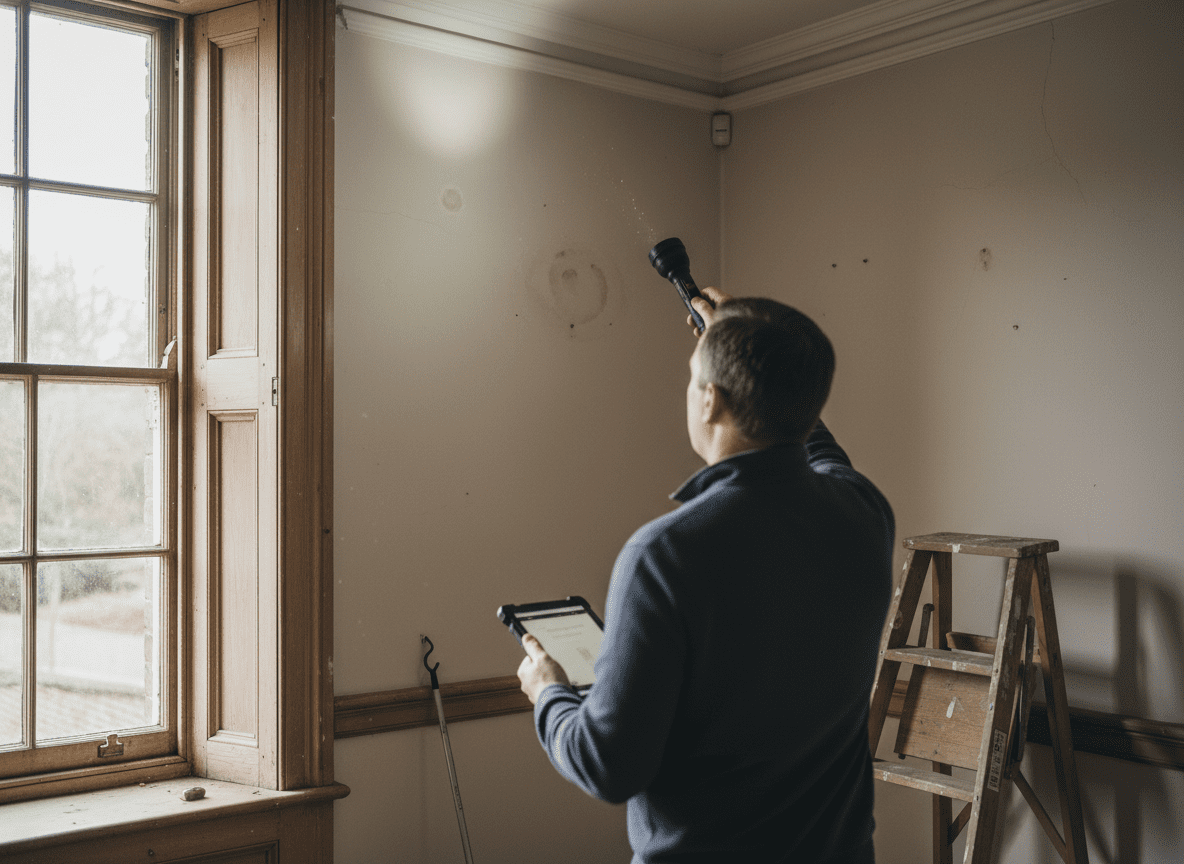
A Level 2 is usually suitable for conventional properties in reasonable condition — most post-war semis, modern houses, and purpose-built flats. It covers visible condition, defects, and practical next steps clearly.
To understand exactly what is covered: what a Level 2 home survey actually includes.
When a Level 3 Building Survey is the right choice
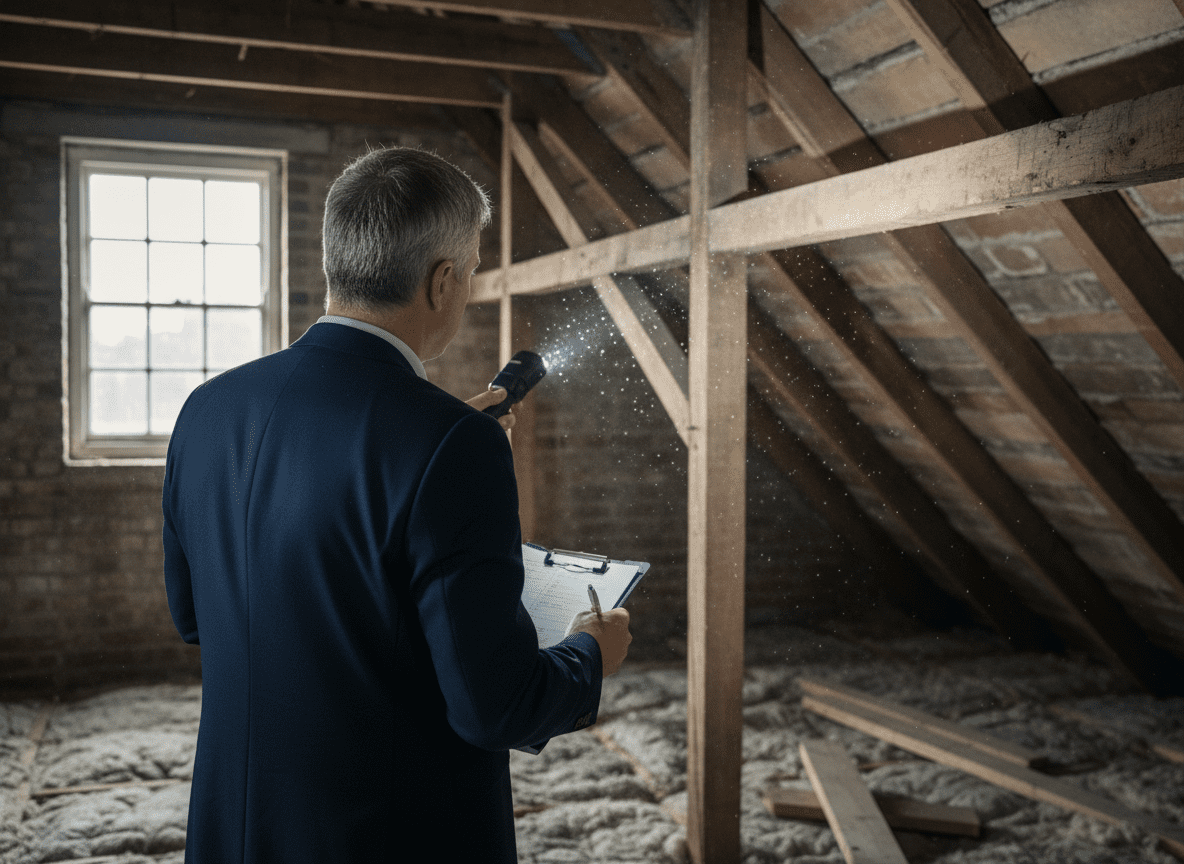
A Level 3 is usually better for older, altered, or more complex homes. It explains the likely causes of defects, their implications, and repair priorities in considerably more depth — which matters when the property has significant issues or is pre-1920 construction.
For full details: RICS Level 3 Building Survey in Peterborough.
Still weighing up the options? The choosing the right survey guide walks through the decision step by step.
What is included in the price
Survey cost covers more than time on site. It includes professional judgement and a written report you can use to make decisions, negotiate, or plan repairs.
- A systematic visual inspection of all accessible areas of the property
- A written report with condition ratings, defect descriptions, and practical next steps
- Photographs where they aid clarity
- Guidance on further specialist checks when the visual signs suggest risk (electrics, gas, drainage, structural)
- The option to discuss findings with the surveyor directly so you understand the practical implications
What is not included
Surveys are non-invasive. They do not involve lifting floors, opening walls, or testing services. They also do not cover legal matters.
- Gas appliance safety checks or boiler testing
- Electrical installation condition reports (EICRs)
- Drainage CCTV surveys
- Asbestos surveys or laboratory testing
- Boundary, ownership, or legal verification
- Invasive opening up of the building fabric
How to read this: surveys identify risk from what is visible. If a risk looks credible — an old consumer unit, a damp wall with no clear cause, a chimney that has been sealed — the report recommends the right specialist to confirm the detail. That is how the process is designed to work.
Common cost mistakes buyers make
Choosing the cheapest option without checking property suitability
A modern flat and a Victorian terrace in Millfield do not carry the same risk. If the property has age, alterations, or visible defects at viewing, a Level 2 often leaves you with more questions than answers after completion.
Assuming a mortgage valuation covers condition
A lender's valuation focuses entirely on the lender's security — not on your repair costs. It will not identify damp, structural movement, or defects unless they are severe enough to affect mortgage security. It is not a condition report.
Not factoring in recommended follow-up checks
A good survey report tells you where further investigation is needed — not everything, but the things that matter. Budget for one or two follow-up checks if the property has age or visible concerns. This is a feature of a thorough report, not a problem with it.
Leaving the survey too late
If you book the survey in the final weeks before exchange, you have very little time to act on findings. Booking early — once your offer is accepted — keeps your options open and avoids pressure to proceed on incomplete information.
Getting a quote: what to send us
An accurate quote usually takes no more than a few minutes once we have the right information. The following helps us confirm the appropriate survey level and price without going back and forth.
What to include
- Property address and postcode
- Property type — flat, terrace, semi-detached, detached
- Approximate age (the estate agent listing or Land Registry entry will usually show this)
- Any concerns from your viewing — cracks, damp smells, roof condition, anything you noticed
- Your target timeframe for the inspection and report
How booking works
- Step 1: Share the property details via our contact form.
- Step 2: We confirm the right survey level and provide an exact price.
- Step 3: We arrange an inspection date with access confirmed.
- Step 4: The survey takes place and the report is delivered on the agreed timescale.
- Step 5: You use the findings to plan next steps, renegotiate if appropriate, or commission specialist checks where recommended.
Peterborough home survey cost FAQs
Why do survey prices vary so much between surveyors?
The main variables are time on site and report depth. Older and more complex properties take longer to inspect and write up properly. A surveyor quoting significantly less than the ranges above may be cutting report detail — not always, but it is worth asking what is included before booking on price alone.
Is a Level 3 always worth the extra cost in Peterborough?
Not always — it depends on the property. For modern post-war semis in good condition a Level 2 is often the right match. For Victorian terraces in Millfield or New England, or for any property that is pre-1920, altered significantly, or shows defects at viewing, the additional depth of a Level 3 is usually worth the difference in price.
Does the survey include electrics and gas checks?
No — surveys are visual only. The surveyor assesses the apparent condition and age of services but does not test circuits or gas appliances. If concerns are identified, the report will recommend an EICR (electrical inspection) or gas safety check by qualified specialists. See what a Level 2 survey checks for electrics and plumbing for full detail.
Can I use the survey to renegotiate the purchase price?
Many buyers do, and it can be effective. Focus on defects that have clear and quantifiable repair costs rather than every cosmetic issue in the report. A surveyor who has found a roof near end of life, rising damp, or structural movement has given you something concrete to work with.
How quickly can you carry out a survey in Peterborough?
Timescales depend on access arrangements and current diary availability. If you have a specific deadline — a completion date or a deadline to exchange — mention it when you enquire and we will do our best to accommodate it.
Do you cover villages and towns outside Peterborough?
Yes. We cover Peterborough and the surrounding area including Stamford, Oundle, Whittlesey, Bourne, Spalding, and surrounding Fenland and Lincolnshire villages. If you are unsure whether your postcode is covered, send a quick enquiry and we will confirm.
What is the best way to get an accurate quote?
Send the property address, type, approximate age, and the estate agent listing link via our contact page. We will confirm the right survey level and the exact price before you book anything.
Ready to get a quote? Send your property details via the contact form and we will confirm the right survey level and exact price — usually within one working day.






0 Comments