

When buying a property, one of the most crucial steps is getting a home survey. However, many homebuyers are unsure about which survey they need, what the process involves, and how to interpret the results. At Blue Blossom Surveys Ltd, we believe in providing clear, independent, and professional advice to help you make informed decisions.
In this guide, we answer the most frequently asked questions about home surveys to help you navigate the process with confidence.
1. What Is a Home Survey?
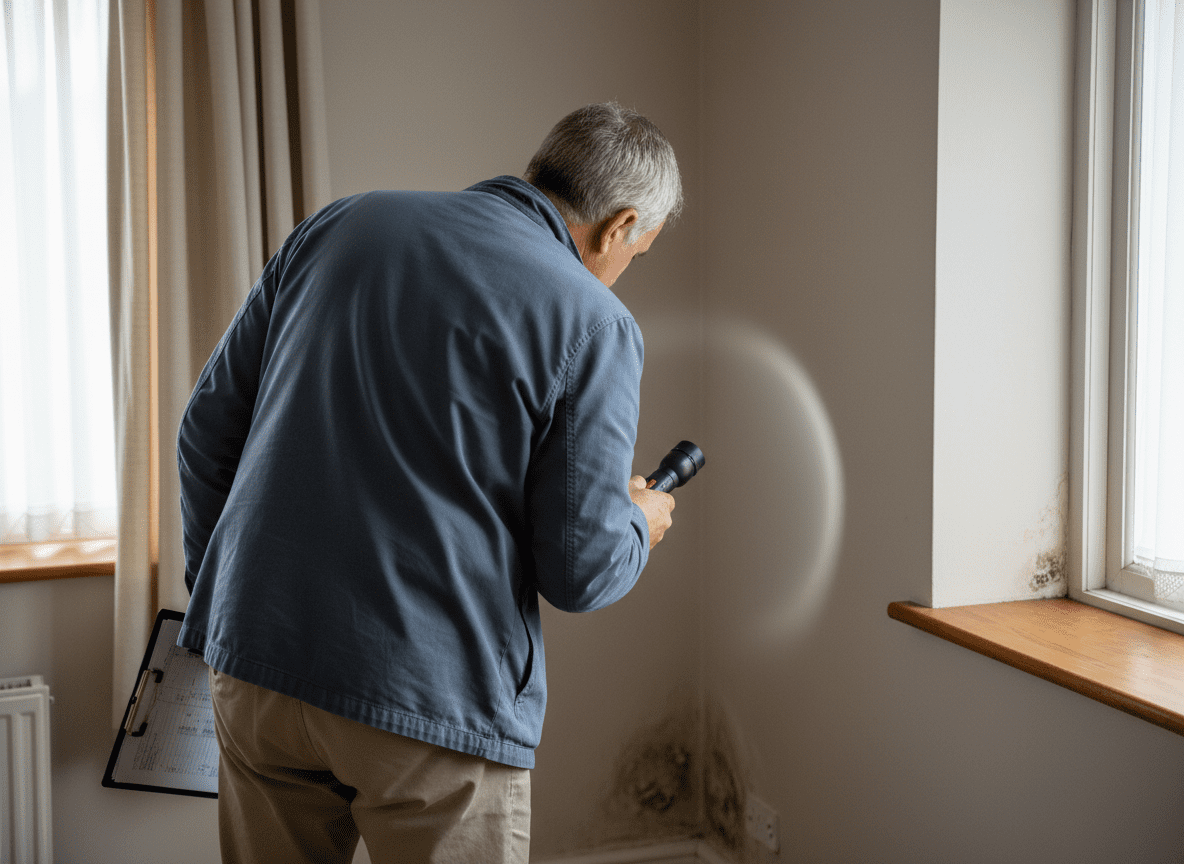
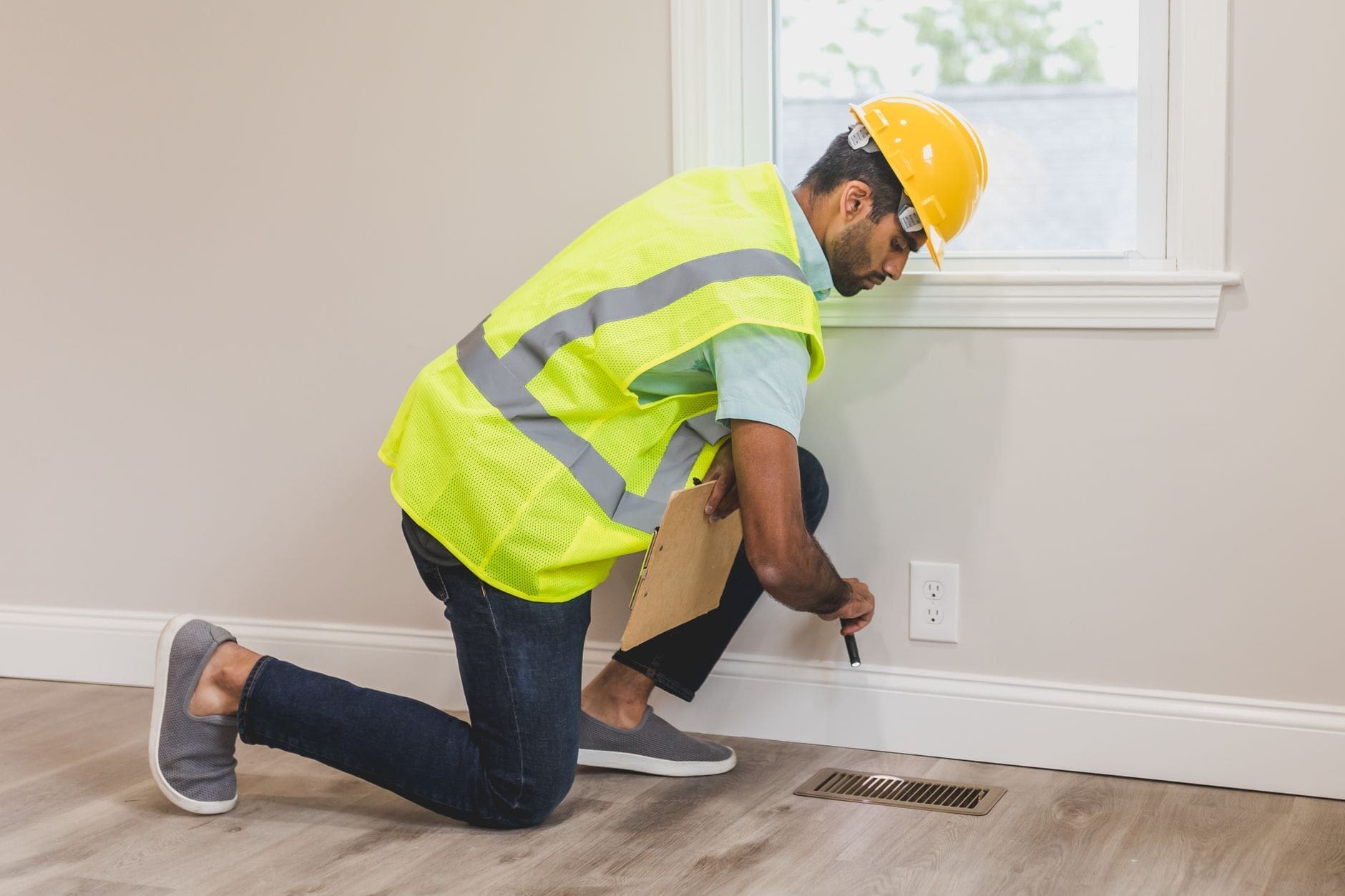
A home survey is a professional inspection carried out by a qualified surveyor to assess a property’s condition. It identifies any defects, potential issues, and areas of concern, helping buyers understand what they are purchasing before committing.
2. Why Do I Need a Home Survey?
A home is often the biggest investment you’ll make, so it’s important to know its true condition. A survey helps:
- Identify defects such as structural issues, damp, or subsidence.
- Avoid unexpected repair costs after purchase.
- Provide negotiation power if issues are found.
- Offer peace of mind before you commit.
Without a survey, you could face expensive surprises later.
3. What Are the Different Types of Home Surveys?
There are two main types of surveys carried out under RICS (Royal Institution of (AssocRICS) Surveyors) guidelines:
Level 2 – Homebuyer Survey
- Suitable for properties under 50 years old and in reasonable condition.
- Covers visible defects, such as damp, cracks, roofing, and insulation.
- Provides advice on necessary repairs and future maintenance.
- Includes a traffic-light system to highlight serious concerns.
Level 3 – Building Survey
- A detailed, in-depth inspection for older, larger, or altered properties.
- Ideal for homes over 50 years old, listed buildings, or properties in poor condition.
- Identifies potential structural problems, such as subsidence, timber decay, or roof issues.
- Provides estimated repair costs and ongoing maintenance advice.
4. Which Survey Do I Need?
Choosing the right survey depends on:
- Age of the property – Older homes usually require a Level 3 survey.
- Condition – If the house is in poor repair, a Level 3 survey is recommended.
- Type of purchase – If you’re buying a new build, a snagging inspection may be more appropriate.
If you’re unsure, we can help you determine the best survey for your needs.
5. How Much Does a Home Survey Cost?
The cost depends on the survey type, property size, and location. On average:
- Level 2 Homebuyer Survey – £400-£700
- Level 3 Building Survey – £600-£1,500
- New Build Snagging Survey – £300-£600
While it may seem like an added expense, a survey can save you thousands in future repairs.
6. What Is Included in a Survey Report?
A survey report provides:
- A detailed inspection of key areas (walls, roofs, floors, windows, plumbing, etc.).
- Identification of major defects (structural movement, damp, timber decay).
- An assessment of electrical, plumbing, and heating systems.
- Recommendations for repairs and maintenance.
- If necessary, estimated repair costs.
A Level 3 survey offers more technical detail, while a Level 2 survey provides a broad overview.
7. Will My Surveyor Check Electrics, Plumbing, and Heating?
A surveyor will visually inspect electrics, plumbing, and heating to highlight any visible issues. However, they do not conduct specialist tests. If concerns arise, they may recommend a qualified electrician, plumber, or gas engineer for further checks.
8. Can a Surveyor Tell Me If the House Is Worth the Asking Price?
A home survey is not a valuation. It focuses on condition rather than market value. However, if the survey reveals significant issues, it may justify renegotiating the purchase price.
For a formal valuation, you would need an RICS Valuation Report.
9. What Happens If My Survey Finds Problems?
If the survey identifies serious issues, you have several options:
- Renegotiate the price to reflect repair costs.
- Request the seller to fix the problems before completing the sale.
- Seek further specialist investigations for major concerns.
- Walk away if the property requires costly, unforeseen repairs.
A survey gives you leverage and confidence in your decision-making.
10. Do I Need a Survey on a New Build Home?
Yes! New-build homes are not always perfect, and defects (known as snags) are common. A New Build Snagging Inspection ensures the property meets quality standards before you move in. It can identify:
- Poorly fitted doors, windows, and kitchens.
- Faulty plumbing, electrics, or heating.
- Structural issues, including cracks or misalignments.
Having a snagging inspection helps ensure the developer fixes issues before completion.
11. How Long Does a Survey Take?
- Level 2 Homebuyer Survey – Typically 2-4 hours.
- Level 3 Building Survey – Can take 4-8 hours.
- New Build Snagging Inspection – Around 2-5 hours, depending on property size.
Reports are usually ready within 3-5 working days.
12. Can I Attend the Survey?
Yes! While not required, attending the survey can provide first-hand insights. You can ask questions and see issues in person. We’re happy to discuss findings on-site or over the phone afterward.
13. Is a Mortgage Valuation the Same as a Home Survey?
No! A mortgage valuation is for the lender’s benefit, assessing whether the property is worth the loan amount. It does not check condition or defects.
To protect your investment, always arrange your own survey.
14. Will a Surveyor Give Me Repair Estimates?
A Level 3 survey may include estimated repair costs, but a Level 2 survey typically does not. If repair costs are a concern, a follow-up specialist inspection may be needed.
15. How Do I Book a Survey?
Booking a survey with Blue Blossom Surveys Ltd is simple:
- Contact us – We’ll discuss your needs and recommend the right survey.
- Survey appointment – We liaise with the seller to arrange a convenient time.
- Inspection carried out – Our expert surveyor conducts a thorough assessment.
- Receive your report – We provide a detailed, easy-to-understand report.
- Discuss findings – We’re available for any follow-up questions.
Final Thoughts
A home survey is an essential step in protecting your investment. Whether you’re a first-time buyer, moving home, or purchasing a new build, a survey can provide peace of mind and financial protection.
At Blue Blossom Surveys Ltd, we are committed to delivering clear, expert advice to help you make informed property decisions.
Need a survey? Get in touch today for professional, independent guidance!




0 Comments