

Does a Level 3 Survey Check the Roof and Loft?
If you are buying an older house, an altered property, or a home with visible condition issues, the roof and loft are often high on the list of concerns. Buyers want to know whether slipped tiles, ageing felt, timber movement, leaks, or poor repairs will be picked up before they commit.
A Level 3 survey can give much more detail than a standard homebuyer-style inspection. That makes it a common choice where the roof structure, coverings, and loft space may need closer attention.
Quick answer: yes, a RICS Level 3 Building Survey may check the roof and loft in more detail than a Level 2 survey, as long as the relevant areas are accessible at the time of inspection. The surveyor may comment on visible defects, signs of water ingress, timber condition, insulation, ventilation, and signs of movement or poor alteration.
It is still a non-invasive inspection. That means the survey cannot see through finishes or open up hidden parts of the roof structure.
Contents
What a Level 3 survey looks at in the roof and loft
A Level 3 survey is designed for properties that need a more detailed condition review. That often includes older buildings, homes that have been extended or altered, and properties where defects are already visible or more likely because of age and construction type.
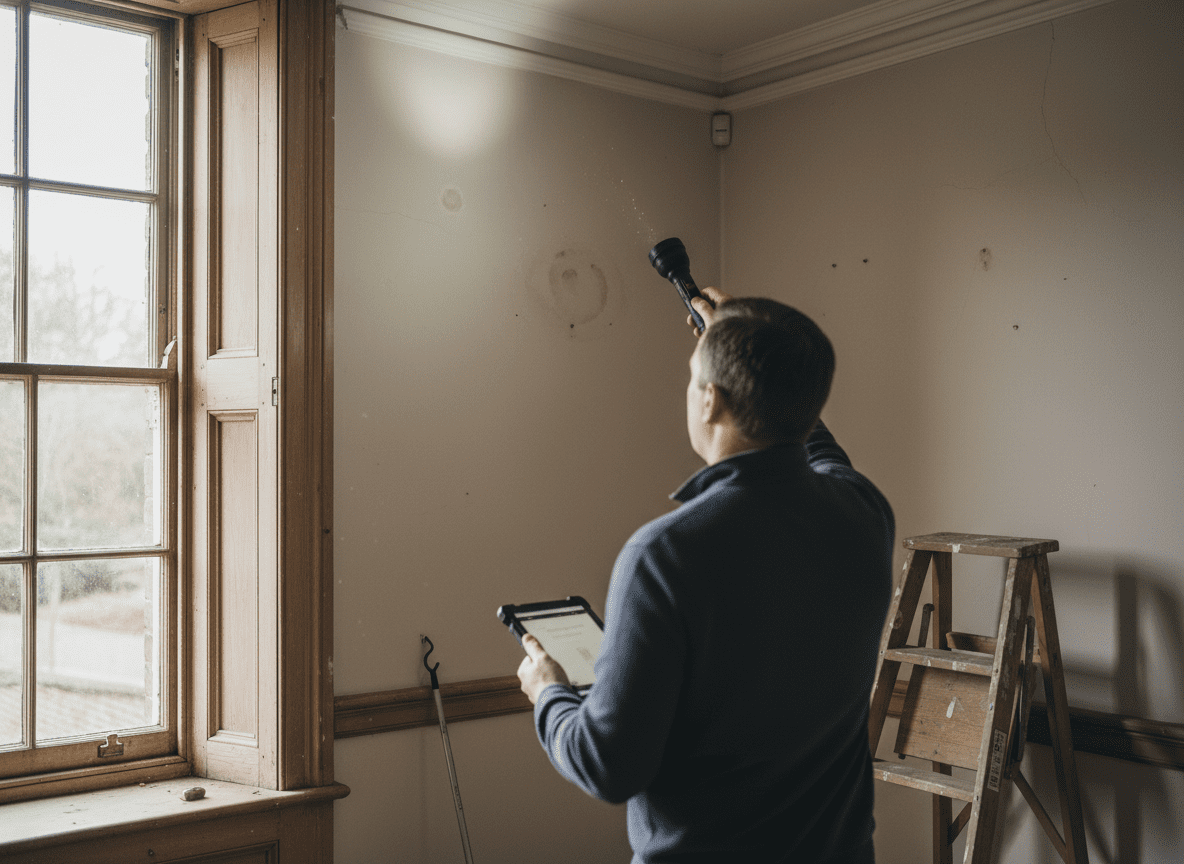
When it comes to the roof and loft, the surveyor may inspect the visible structure and condition from the inside and outside. The exact scope depends on what is safely accessible on the day, but the report may comment on a wider range of points than a simpler survey.
That can include:
- the general condition of the roof covering
- signs of slipped, missing, cracked, or worn roof materials
- the visible condition of flashings, valleys, verges, and ridge lines
- evidence of patch repairs or ageing materials
- visible movement or distortion in the roof structure
- water staining or signs of past or present leakage
- the condition of accessible roof timbers in the loft
- insulation levels and whether ventilation appears limited
- the effect of past alterations, such as loft conversions or removed supports
This does not mean the surveyor will produce a specialist roofing report. It means the roof and loft are given proper attention as part of the wider building survey, with more room to explain visible defects, likely implications, and sensible next steps.
Why the roof and loft matter so much
The roof protects the whole building. If there is a defect there, the knock-on effects can spread well beyond the loft space. Water ingress can affect ceilings, walls, insulation, timber, decoration, and even electrical fittings in some cases. Poor ventilation in the loft can also contribute to condensation, dampness, and timber decay over time.
The loft is just as important because it often tells part of the building’s story. It can reveal whether repairs have been carried out well, whether timbers show signs of long-term moisture, whether insulation has been upgraded properly, and whether structural changes have been made without clear thought for support or ventilation.
In older homes, the loft can also show the effects of age more clearly than finished rooms below. A freshly decorated ceiling may look fine during a viewing. The loft above it may tell a different story if there are staining marks, distorted rafters, inadequate support, or old patching around a chimney or roof junction.
Why buyers care: roof defects are often expensive, but the cost is only part of the issue. The bigger point is that the roof and loft can reveal wider maintenance problems and help you judge how well the property has been looked after.
Common roof and loft issues a survey may highlight
A Level 3 survey may pick up a broad range of roof and loft concerns. Some are minor maintenance points. Some may need further investigation or repair planning before you move forward.
Roof covering defects
The surveyor may note missing or slipped tiles or slates, worn coverings, ageing felt, patch repairs, or weak detailing around edges and junctions. These points matter because even small gaps can let moisture in over time.
Signs of water ingress
Water staining on underfelt, timbers, chimney areas, or around penetrations can suggest past or present leakage. The report may also tie these signs to visible issues outside, such as worn flashings or failing roof coverings.
Timber condition
Accessible timber in the loft may show sagging, notching, splitting, dampness, or decay. In some properties, older repairs or added supports may also be visible. A survey helps you understand whether these look routine, poor, or worthy of further attention.
Ventilation and condensation
Not every loft problem starts with a leak. Poor ventilation can lead to condensation build-up, which in turn may affect insulation, timbers, and internal air quality. Surveyors may comment where the loft appears poorly ventilated or where insulation has been laid in a way that creates moisture risks.
Loft conversions and alterations
If the property has been converted or altered, the survey may note whether visible elements raise concern. That could include cut or altered timbers, awkward support arrangements, poor-quality workmanship, or signs that changes need more review.
| Area | What a Level 3 survey may note | Why it matters |
|---|---|---|
| Roof covering | Slipped, broken, worn, or patched materials | May allow moisture ingress and future repair costs |
| Flashings and junctions | Open edges, ageing leadwork, weak detailing | Common leak points around chimneys and abutments |
| Loft timbers | Movement, distortion, dampness, decay, poor alteration | Can affect structural performance and repair planning |
| Insulation and ventilation | Low insulation, blocked airflow, condensation signs | Can contribute to dampness and reduced performance |
| Past changes | Visible signs of conversions or repairs | May point to wider condition or workmanship issues |
What surveyors are really assessing
Buyers sometimes picture the roof as one single item. In reality, the surveyor is considering several linked parts at once. The roof covering matters, but so do the supporting timbers, the way water drains off the roof, the condition of junctions, and the effect of ventilation within the loft space.
That wider view is one reason a Level 3 survey is useful. It does not just say roof good or roof bad. It helps explain how visible issues connect with each other. A stain on a loft timber, for example, may be read alongside ageing felt, defective flashing near a chimney, and a pattern of repairs that suggest the issue may not be new.
The same applies to loft condition. A surveyor is not only looking for dramatic damage. They are also looking for warning signs that tell you how the property has been performing over time.
- Has the loft been ventilated properly?
- Do the timbers look original, altered, reinforced, or cut?
- Is the insulation present but poorly arranged?
- Are there signs of long-term staining rather than a one-off event?
- Does the visible condition fit the age and type of the house?
These are the sorts of practical observations that help buyers make a more informed decision.
What the survey cannot do
This is an important part of the answer. Even a detailed building survey has limits. It is not an intrusive investigation and it does not involve opening up the roof structure, removing finishes, or lifting large areas of insulation as standard.
That means the survey may not be able to confirm every hidden defect. Parts of the loft may be inaccessible because of stored belongings, restricted headroom, unsafe access, fragile materials, or insulation coverage. Parts of the external roof may also be difficult to inspect closely from ground level, depending on height, weather, layout, and surrounding obstructions.
A Level 3 survey may not:
- see defects hidden behind finishes or boarding
- confirm the full extent of decay inside enclosed timbers
- test every junction or detail physically
- replace a specialist roofing contractor’s quotation or repair specification
- certify past loft conversions or structural changes
What it does do is tell you whether visible evidence suggests concern, whether the roof and loft appear to have defects or risks worth taking seriously, and whether further review should happen before you exchange contracts.
Level 3 vs Level 2 for roof and loft concerns
If roof condition is one of your main concerns, the right survey level matters. A RICS Level 2 Homebuyer Survey can still comment on visible roof issues, but it is aimed at properties that appear more conventional and in reasonable condition.
A Level 3 survey is usually the better fit where the building is older, more complex, or already shows signs that the roof or loft may need fuller comment. It gives more room for explanation and tends to suit buyers who want a deeper condition picture rather than a more limited overview.
| Question | Level 2 survey | Level 3 survey |
|---|---|---|
| Can it comment on visible roof issues? | Yes | Yes, with more depth where appropriate |
| Best for older or altered properties? | Not always | Often yes |
| More detailed comment on condition and risks? | More limited | Yes |
| Useful where loft structure raises concern? | Less suited | Usually more suitable |
If you are not sure which route fits the property, the Choosing the Right Survey hub is a useful starting point.
Does the loft always get inspected?
Only if access is available and safe. That is one of the most practical limits on any survey. If there is no hatch, no safe access route, or no safe way to inspect the area properly, the surveyor will say so in the report.
Even where there is access, heavy boarding, deep insulation, stored items, or very limited headroom may reduce what can be seen. That does not make the survey less useful. It simply means the report will reflect the conditions at the time of inspection.
This matters for buyers because a well-written report will not pretend certainty where certainty is not possible. It will explain what was visible, what was not, and whether any limitation increases the need for later checks.
What a report may say about roof and loft risks
A clear report should do more than list faults. It should help you understand the practical significance of what has been seen. For roof and loft issues, that may include comments on whether the defect looks minor, whether it needs routine maintenance, or whether it suggests wider condition concerns.
You may see wording that points to:
- repairs being needed in the short term
- further inspection before legal commitment
- ongoing maintenance as part of normal ownership
- risks linked to ageing materials or workmanship
- the need to review past alterations more closely
That is valuable because it helps you move from vague concern to practical next steps. A survey helps you understand the property’s condition before you commit. It also gives you a clearer basis for deciding whether the property still fits your plans and budget.
What to do if the report raises roof or loft concerns
First, read the comments in context. One or two routine maintenance items are not unusual in many homes. What matters is whether the report points to isolated defects or a broader pattern of ageing, moisture, movement, or poor past work.
Useful next steps may include:
- asking for clarification on any roof or loft item you do not understand
- seeking further specialist input where the survey recommends it
- checking whether the seller holds paperwork for past roof works or loft alterations
- factoring likely repairs into your wider buying decision
- making sure your adviser understands any condition issues raised in the report
Not every roof concern means the purchase should stop. In many cases, the value of the survey is that it replaces guesswork with better information. That allows you to move forward with clearer expectations.
Key takeaway: a Level 3 survey may give you a much clearer picture of visible roof and loft condition, especially in older or altered homes. It can highlight warning signs, explain likely implications, and point you towards sensible next steps. It still has limits, but it is often the stronger option where roof concerns are already part of the buying decision.
Need help choosing the right survey for the property?
If you are unsure whether the home needs a Level 2 or a Level 3 survey, Blue Blossom Surveys Ltd can help you choose based on the age, type, and condition of the property.
FAQs
Can a Level 3 survey inspect the loft if it is boarded?
It may inspect the accessible parts, but full visibility can be limited where boarding, insulation, or stored items block important areas.
Will a Level 3 survey tell me if the roof needs replacing?
It may comment on visible condition and likely repair needs, but it does not replace a specialist roofing assessment or detailed quotation.
Does a Level 3 survey check for leaks in the roof?
It may note signs of water ingress, staining, and visible defects linked to leaks, but it cannot confirm every hidden source without intrusive investigation.
Is a Level 3 survey better for older houses with loft changes?
Often yes. Older or altered homes are a common reason to choose a Level 3 survey because they usually need more detailed condition review.
Can the surveyor inspect every part of the roof externally?
Not always. Height, weather, access, and surrounding obstructions can affect what is visible from outside on the day of inspection.
If a property has spray foam insulation in the roof space, this affects what a surveyor can inspect — find out exactly what a spray foam insulation survey will and won’t tell you.



0 Comments