

1. Understanding the Survey Scope
First, clarify which survey youve booked. Each type has a defined scope:
- RICS Level 2 Home Survey (HomeBuyer Report): Visible areas only, traffic-light grading, brief narrative.
- RICS Level 3 Building Survey (Full Structural Survey): In-depth inspection, invasive checks as needed, detailed report with cost guidance.
- Pre-Completion Inspection (Final Defect check): Last-minute review before legal completion, focused on defects and unfinished works.
Knowing the survey scope helps you set realistic expectations and gather the right information ahead of time.
2. Gathering Property Information
Your surveyor benefits from background details. Gather these before the inspection:
- Property age, build type, and any past conversions or extensions.
- Architectural plans or planning approvals (especially for unusual features).
- Service records: boiler maintenance, damp-proofing, or electrical certificates.
- Builders defect list for new builds.
Send digital copies to your surveyor at least 24 hours before the survey. This lets them tailor the inspection to your homes quirks.
3. Preparing Access and Lighting
Clear access and working lights speed up your surveyors work:
- Move items away from loft hatches, boiler cupboards, and underfloor traps.
- Unlock all rooms, including garages, outbuildings, and sheds.
- Test interior and exterior lightsdark corners are easy to miss.
- If you have pets, secure them to prevent interruptions.
A well-lit, clutter-free home lets your surveyor focus on defectsnot on finding their way around.
4. Noting Your Concerns and Questions
Jot down anything youve noticed, no matter how small:
- Cracks in walls or ceilings.
- Doors or windows that stick or draught.
- Unusual noises from underfloor or roof voids.
- Damp patches or discoloured plaster.
Share this list at the start of the survey. Your observations add context and may guide focused checks.
5. Being Presentand Hands-OnDuring Inspection
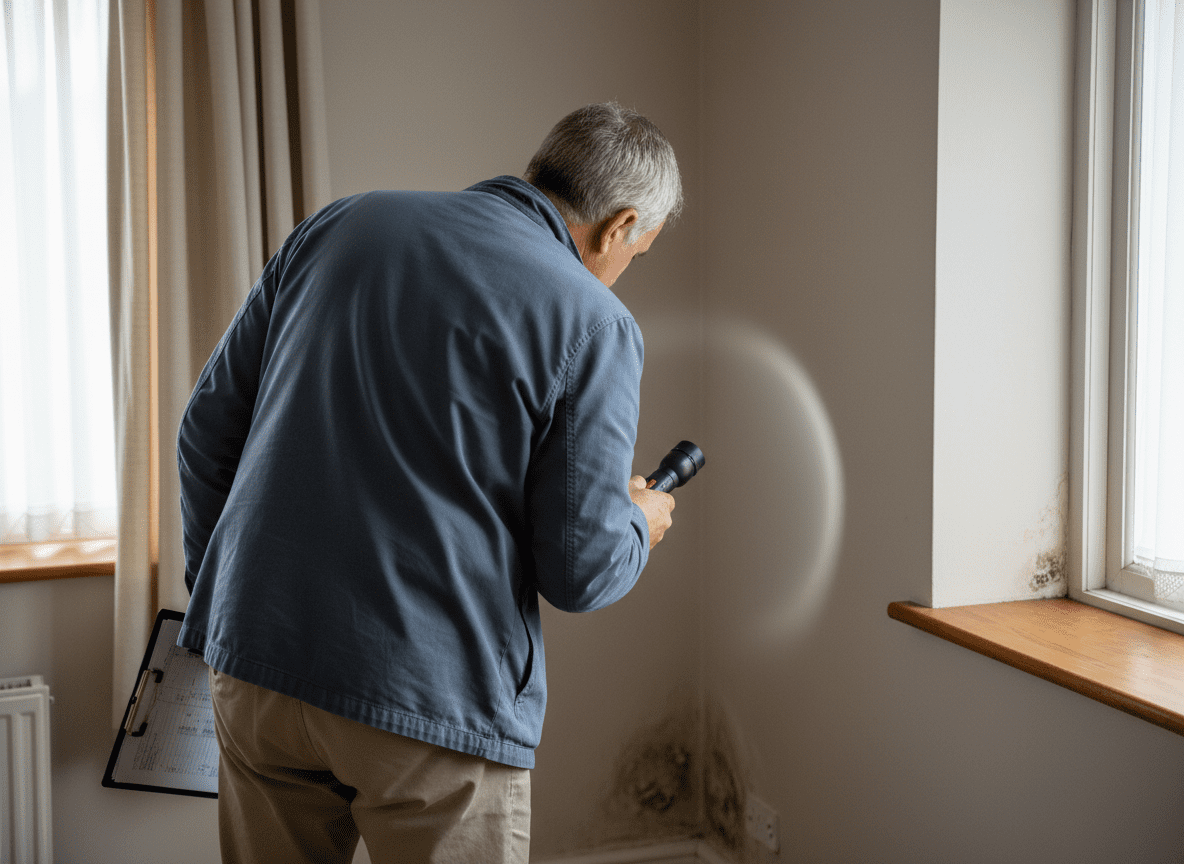
Where possible, accompany your surveyor. Youll:
- See issues as they ariseask for clarification on the spot.
- Point out areas of concern you know about.
- Discuss repair timing, cost estimates, and urgency.
At the end, the surveyor typically gives a verbal summary. Take notes or record this discussion for later reference.
6. Reviewing the Draft Report
Most surveyors deliver a draft within 4872 hours. When you receive it:
- Read the executive summaryit highlights major defects and urgency.
- Check annotated plans to locate inspection areas.
- Review cost guidance and ask follow-up questions if estimates seem unclear.
- Identify any missing areas you expected to be covered (e.g., outbuildings or roof voids).
If anything looks off, reach out promptly. Early clarification prevents delays in your purchase process.
7. Acting on Recommendations
Your report ends with clear advice:
- Urgent work: Essential repairs to prevent safety or structural risk.
- Monitor: Issues to watch over time (e.g., minor cracks).
- No action: Areas in good condition.
Share the report with your solicitor and builder. Use it to:
- Negotiate price adjustments or repair commitments.
- Schedule remedial work before or shortly after completion.
- Plan your maintenance budget based on estimated costs.
8. Learning From the Process
A home survey is more than a hurdleits an opportunity to learn your propertys strengths and weaknesses. Keep your report on file for future reference. If you havent already, bookmark our Preparation Guide for tips on optimizing every survey.
Next Steps
You now know your roleand how to get the most from your home survey. Ready to proceed? Book your inspection today:
- RICS Level 2 Home Survey for a clear overview
- RICS Level 3 Building Survey for in-depth analysis
- Pre-Completion Inspection for final defect checks
Your active involvement ensures a thorough, accurate surveyso you move into your new home with confidence.







0 Comments