

One of the most common questions buyers ask is when they should book a home survey. Some are told to wait. Others are pushed to book immediately. The mixed advice creates uncertainty, especially when timelines feel tight.
Booking your survey at the right time helps you avoid delays, reduces stress, and gives you room to act on the findings. Booking at the wrong time can leave you rushed, out of options, or committed before you fully understand the risks.
This guide explains when to book a home survey, what stage of the purchase works best, and how timing affects your ability to make sensible decisions.
Why survey timing matters more than buyers realise
A home survey is most useful when you still have leverage.
Once you exchange contracts, the legal commitment is made. Any defects found after that point usually become your responsibility.
Booking your survey at the right time ensures you can:
- Renegotiate the price if serious issues are found
- Request repairs before exchange
- Budget accurately for future works
- Decide whether to proceed at all
Timing affects not just convenience, but your options.
The best time to book a home survey
In most cases, the best time to book your home survey is as soon as your offer is accepted.
This gives you access to the property while the seller is still motivated and before legal deadlines begin to apply pressure.
Booking early helps avoid:
- Last-minute diary clashes
- Rushed inspections
- Pressure to proceed without clarity
It also allows enough time to follow up on findings, such as arranging specialist checks if needed.
Should you wait for the mortgage valuation?
Many buyers delay booking a survey until the mortgage valuation is completed. This often causes unnecessary delay.
A mortgage valuation is arranged for the lender, not for you. It is not a detailed inspection and does not replace a survey.
Waiting for the valuation can push your survey too close to exchange, limiting your ability to act on the results.
If the valuation identifies issues, you may end up needing a survey anyway, but with less time to respond.
Booking a survey before instructing solicitors
Some buyers choose to instruct solicitors first and delay the survey. Others do the opposite.
There is no harm in instructing solicitors early, but the survey should not be left until legal work is well underway.
If significant defects are found late, you may have already incurred legal costs, making it harder to walk away.
Booking the survey early helps you assess whether the purchase is right before costs escalate.
How survey timing affects negotiations
Survey findings often form the basis of renegotiation.
If the survey is carried out early, discussions with the seller can happen calmly and logically.
If the survey is delayed until just before exchange, negotiations can become rushed and tense, reducing the likelihood of agreement.
Early surveys give everyone time to consider options without pressure.
What if the seller wants a fast exchange?
In competitive markets, sellers sometimes push for quick progress.
While speed can be appealing, skipping or delaying the survey increases risk.
If a seller is reluctant to allow time for a survey, ask yourself why. Most genuine sellers understand the need for proper checks.
Booking the survey immediately after offer acceptance helps you keep pace without cutting corners.
Survey timing for different property types
Conventional homes
For many typical houses and flats, a RICS Level 2 Homebuyer Survey booked soon after offer acceptance works well.
Older or altered properties
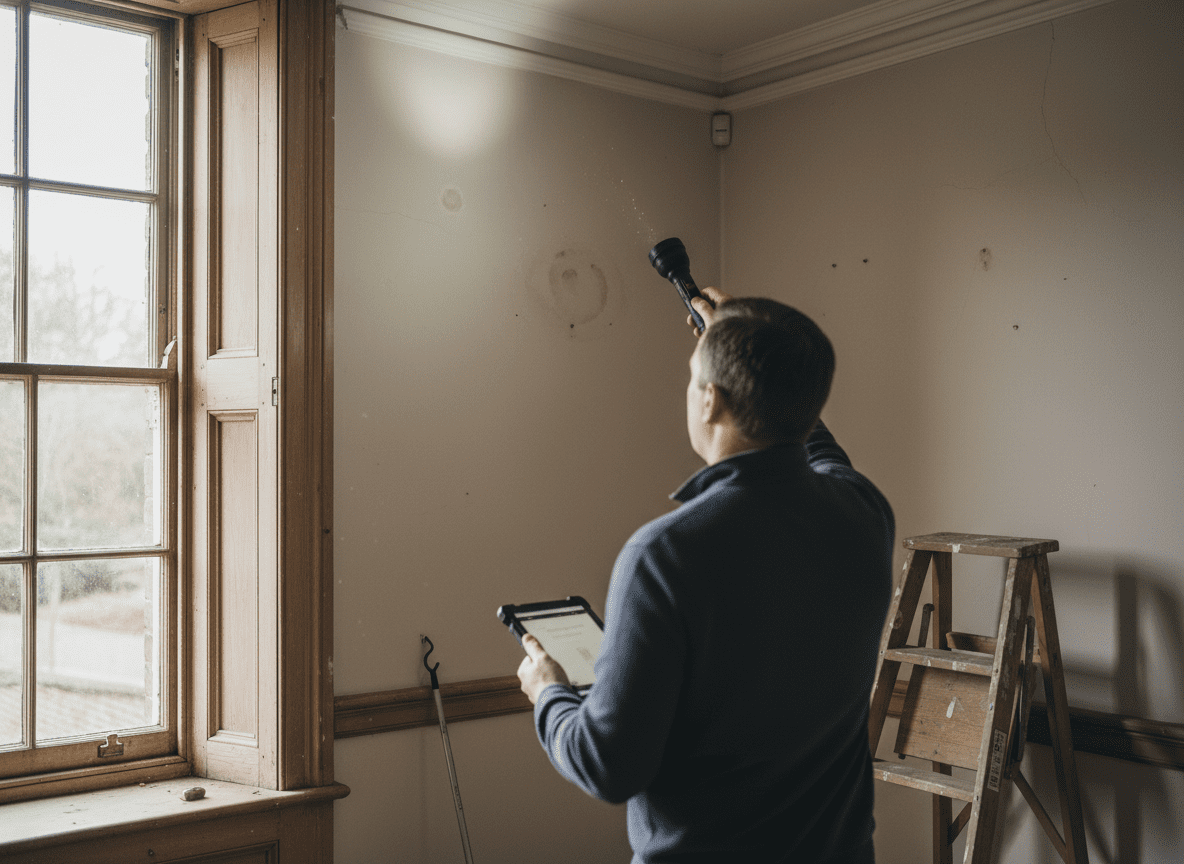
Older homes or properties with extensions benefit from early inspection.
A RICS Level 3 Building Survey may identify issues that affect your willingness to proceed.
New builds
With new builds, timing is slightly different.
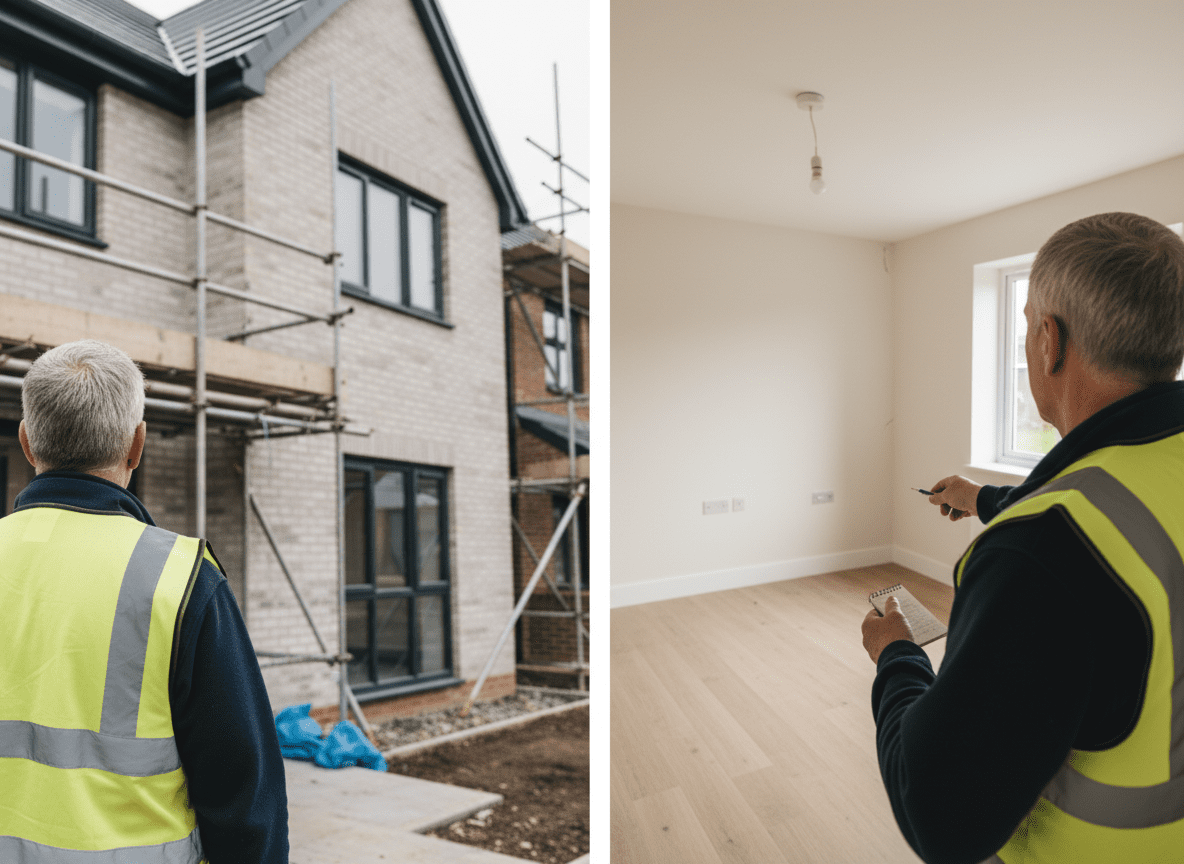
If you are buying off-plan or close to completion, a pre-completion inspection should be booked shortly before legal completion, while the developer is still responsible for defects.
What happens if you book too late?
Late surveys reduce your options.
Common consequences include:
- Limited time to review the report
- Pressure to proceed despite concerns
- Difficulty arranging follow-up checks
- Reduced negotiating power
In some cases, buyers proceed simply because deadlines feel unavoidable.
Can you book a survey too early?
Booking a survey before an offer is accepted is rarely recommended.
Until the seller has accepted your offer, access may be withdrawn or the property may sell to someone else.
In most cases, waiting until the offer is agreed provides the right balance between speed and certainty.
How long does a survey take to arrange?
Survey availability varies by area and time of year.
Booking early helps you secure a suitable appointment without compromising quality.
Leaving it late may limit choice or force you into inconvenient time slots.
What to do after the survey is complete
Once you receive the report, take time to read it properly.
Focus on significant issues rather than minor maintenance items.
Use the findings to guide discussions with your solicitor, agent, and the seller.
If anything is unclear, speak to the surveyor before making decisions.
A simple booking timeline
- Offer accepted
- Book the survey immediately
- Survey carried out
- Review report and ask questions
- Renegotiate or proceed
This sequence keeps control with you.
Common myths about survey timing
- You should wait until exchange is close
- The valuation is enough
- New homes do not need surveys
- Surveys slow everything down
In reality, early surveys often speed up decisions and reduce disputes later.



0 Comments