

What Happens After a Home Survey? Understanding the Next Steps
You book a survey because you want clarity before you commit.
Then the report lands in your inbox and it can feel like a lot at once.
Some items look urgent. Others feel vague. You wonder what you should do first, and what actually changes your decision.
This guide walks you through what happens after a home survey, step by step.
You will know how to read the findings, what to query, when to get extra checks, and how to use the report in negotiations before exchange.
Quick view: your 3 outcomes after a survey
- Proceed as planned if issues are minor or priced in.
- Proceed with conditions such as further checks, repair quotes, or renegotiation.
- Reconsider if defects are serious, costly, or unclear.
What to do in the first hour after you get the report
Start with actions that reduce confusion.
Do not jump into the deepest technical section first.
- Save the report and name it clearly (address + date).
- Skim the summary and condition ratings first.
- Highlight anything marked urgent, unsafe, or needing further investigation.
- Write down three questions you want answered in plain language.
This keeps you in control.
You are not trying to become a surveyor. You are trying to make a good buying decision.
How to read the report without panic
Most reports include items that look worrying but are common in UK housing.
For example, an older home may show signs of previous movement, dated electrics, or patch repairs in the roof space.
Read the report in three passes.
Pass 1: What affects safety
- Loose roof coverings that could fall
- Unsafe electrical observations
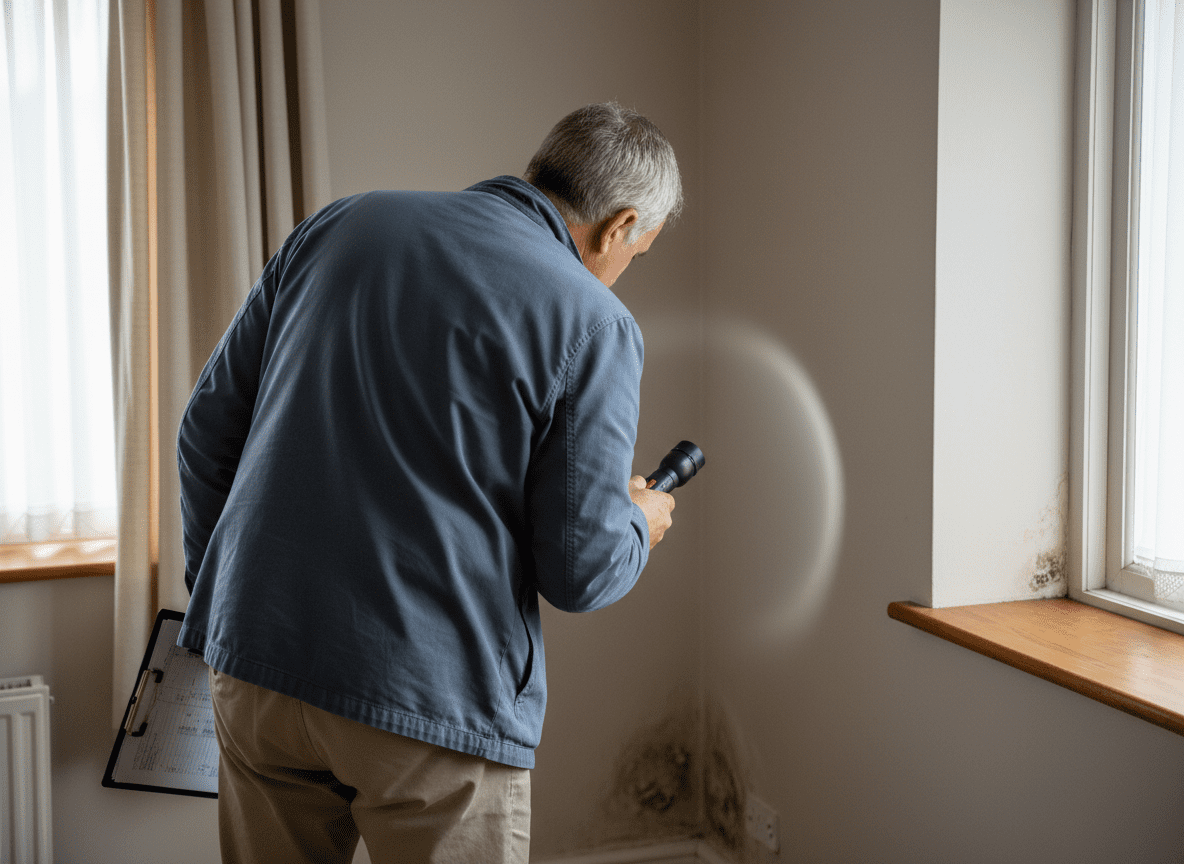
- Active leaks, severe damp, or suspected structural instability
Pass 2: What affects cost soon
- Roof repairs and rainwater goods
- Damp treatment where the cause needs addressing
- Rot to windows, doors, or accessible timbers
Pass 3: What affects your plans
- Restrictions on alterations
- Signs the property has been heavily altered already
- Items that might impact your lender or insurance stance
This structure stops you treating every line as the same level of risk.
Turn findings into a simple priority list
Your goal is a clear list you can act on.
Use three buckets.
| Bucket | What it includes | What you do next |
|---|---|---|
| Must fix | Safety issues, active leaks, serious defects | Ask for clarification, book specialist checks, get quotes |
| Should plan | Medium-term repairs and upgrades | Budget, prioritise, decide if price reflects the work |
| Normal upkeep | Maintenance items typical for age | Note it and move on |
Now you have something usable for your solicitor, estate agent, and any contractors.
Follow-up questions to ask your surveyor
Most buyers ask the wrong type of question.
A better approach is to ask questions that remove uncertainty and help you act.
Questions that get useful answers
- Is this issue active now, or historic and stable?
- What visible signs led you to this conclusion?
- What is the likely cause, not just the symptom?
- What is the most sensible next check, and why?
- If you were buying this home, what would you prioritise first?
If you want a ready list, use: Questions to ask a surveyor.
When to book specialist checks
A home survey is visual and non-invasive.
That is a strength because it keeps the survey proportionate.
It also means the report may recommend further investigation where risk exists.
Book specialist checks when:
- the report uses phrases like “further investigation” or “not visible”
- there is evidence of damp but the cause needs confirming
- the electrics appear dated or altered
- you suspect the roof has hidden defects beyond ground level checks
- the property has extensions, conversions, or unusual construction
Specialist checks that often make sense:
- Electrical inspection if the consumer unit looks old or modifications appear DIY
- Gas safety check if the boiler is older or service history looks unclear
- Damp and timber specialist when moisture readings or staining needs cause confirmation
- Roof inspection if defects appear likely but not fully visible
Do you need all of them?
No.
You need the ones that reduce real uncertainty for your purchase.
How to negotiate using the report
Negotiation works when you stay practical.
Use evidence. Focus on cost and risk. Avoid emotional language.
Step 1: Pick the items that justify movement
- Defects likely to cost real money in the next 6–12 months
- Issues that affect safety
- Items that a lender may query
Step 2: Get quotes where possible
Even one quote helps because it moves the conversation from opinion to cost.
Step 3: Choose your negotiation route
- Price reduction based on documented defects and quotes
- Seller repairs if timescales allow and you can verify the work
- Credit on completion in some cases, if agreed through solicitors
Step 4: Keep the ask tight
One page summary works better than a long email.
List the top items, their impact, and your request.
A realistic example: The report notes active roof defects and damp staining. You get a roofer quote and a damp assessment. You request a reduction that reflects the immediate repair work rather than small maintenance items.
When walking away makes sense
Some reports save you money by stopping a bad purchase.
Walking away can be sensible if:
- major defects appear likely and costs are unknown
- the seller refuses access for follow-up inspections
- you find signs of ongoing structural movement without clarity
- repairs are large enough to change your mortgage comfort or budget
Ask yourself one question.
Would you still want this property if the repair work had to happen in the first year?
A simple timeline from survey to exchange
Most buyers want a clear sequence.
Here is a practical one you can follow.
- Day 0: Report arrives. You read summary, highlight key risks, write questions.
- Day 1–3: You speak to the surveyor and clarify the priority items.
- Day 3–10: You arrange specialist checks and gather quotes where needed.
- Day 7–14: You decide: proceed, renegotiate, or reconsider.
- Before exchange: Your solicitor finalises enquiries with the benefit of survey findings.
If you are still earlier in the process, this page explains the timing piece: When to book a home survey.
Next steps if you need a clearer explanation of your report
If you want help understanding the language and structure of a report, start here:
If you are weighing up survey types before you book, this helps you choose:
FAQs
How long should I wait before responding to the seller after the survey?
Give yourself at least a day to read the report and clarify key points. If urgent issues appear, speak to your surveyor first so you raise the right concerns.
Can I renegotiate the price after a home survey?
Yes. Focus on defects that affect safety or carry clear costs. Quotes help. Keep your request specific and evidence-led.
What if the survey recommends further investigation?
Book the right specialist check for that item. The goal is to confirm the risk and likely cost before you exchange.
Should I send the full survey report to my solicitor?
Share the relevant findings and key concerns. Your solicitor can then raise targeted enquiries that support your position.
Does a survey stop me buying the house?
No. It gives you clarity. You decide whether to proceed, renegotiate, or walk away based on risk and budget.
If you are deciding what to do next after a home survey, start by understanding how reports are structured and what findings usually mean. Use Surveyor report explained for a clear breakdown, then compare options in Level 2 or Level 3 survey.





0 Comments