

What Does a Mortgage Surveyor Look For?
When you apply for a mortgage, your lender will usually arrange a valuation of the property before they confirm the loan. This involves a mortgage surveyor visiting the property — but they are not there to protect your interests. They are there to protect the lender’s.
Understanding what a mortgage surveyor looks for, and what they do not check, helps you make a more informed decision about whether to arrange your own independent survey as well.
In this guide
What Is a Mortgage Valuation?
A mortgage valuation is a basic assessment carried out on behalf of your mortgage lender. Its purpose is to confirm that the property is worth at least as much as you are borrowing. If the property were repossessed, the lender needs confidence they could recover the loan by selling it.
The valuation is not a full structural inspection. It is typically brief — often 30 minutes to an hour on site — and the resulting report is provided to the lender, not to you. You may receive a summary, but the full report remains the lender’s document.
Key distinction: A mortgage valuation is carried out for the lender. A RICS Level 2 or Level 3 survey is carried out for you, the buyer. These are different products with different purposes.
What Does a Mortgage Surveyor Actually Check?
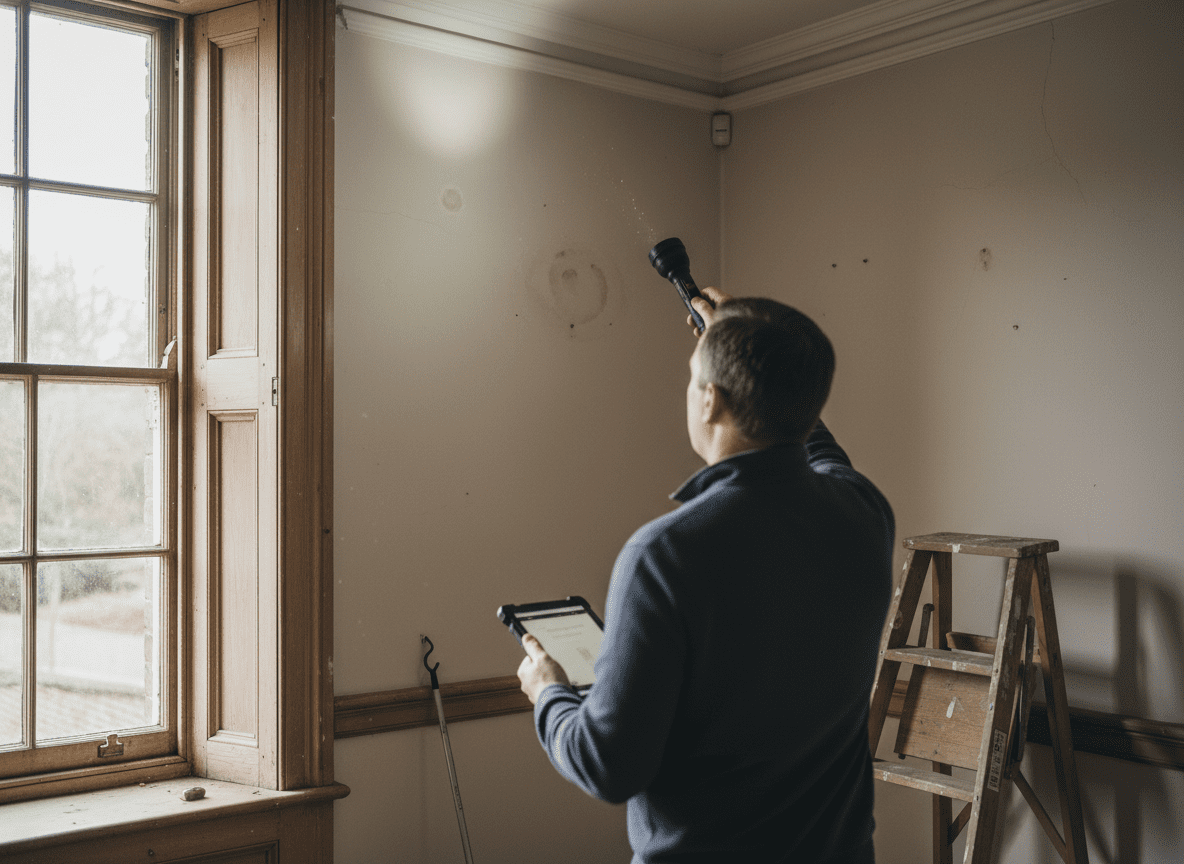
The mortgage surveyor’s primary task is to assess the property’s market value and flag anything that could affect that value significantly. Their inspection is typically visual and non-intrusive.
Overall condition and market value
The surveyor considers the property’s general condition alongside comparable sales in the local area. They take into account factors such as the property type, age, size, location, and current market conditions. Their goal is to arrive at a figure that reflects what the property would realistically sell for on the open market.
Structural condition — at a high level
The surveyor will look for signs of significant structural problems, but only those visible on a brief walk-through. This includes obvious movement in walls, severe cracking, major subsidence indicators, or clear signs of extensive water damage. They are not conducting a detailed structural analysis.
Roof and external elements
They will view the roof — usually from ground level or from within any accessible loft space — to check for obvious deterioration, missing tiles, or signs of damage. External walls, guttering, and drainage may also be noted if problems are visually evident.
Major defects that could affect lending
Mortgage surveyors are particularly alert to issues that might make a property unmortgageable or significantly reduce its value. Common examples include:
- Evidence of Japanese knotweed
- Obvious signs of subsidence or structural movement
- Severe damp affecting large areas of the property
- Non-standard construction types (e.g., prefabricated concrete panels)
- Properties above commercial premises, or with short lease terms
- Major fire or flood damage
If any of these are noted, the lender may withhold the mortgage offer, reduce the amount they are willing to lend, or request further specialist reports before proceeding.
A brief look at key internal areas
The surveyor will walk through the main rooms of the property, but this is not a room-by-room inspection. They are checking for visible, significant issues — not assessing the general condition of fixtures, fittings, insulation, or services such as electrics and plumbing.
What a Mortgage Surveyor Does Not Cover
This is where many buyers are caught out. A mortgage valuation has clear limits, and it is important to understand what falls outside its scope.
A mortgage surveyor will typically not:
- Test electrical systems, heating, or plumbing
- Lift floorboards or inspect beneath flooring
- Check the condition of windows, doors, or internal joinery in detail
- Assess damp levels with specialist equipment unless it is obvious
- Inspect outbuildings, garages, or boundary structures
- Identify hidden defects not visible on a visual inspection
- Provide advice on repairs or maintenance priorities
Important: Just because a mortgage valuation completes successfully does not mean the property is in good condition. It means the lender is satisfied the property is worth the loan amount. Defects that could cost you thousands to repair may be entirely outside the scope of this inspection.
What Could Affect the Valuation or Lead to Issues?
A mortgage valuation can produce a result that leads to complications for your purchase in a few different ways.
Down-valuation
If the surveyor values the property below your agreed purchase price, the lender will typically only lend against the lower figure. This means you would need to make up the shortfall yourself, renegotiate the purchase price with the seller, or walk away from the sale.
Lender conditions
The surveyor may flag a defect that leads the lender to attach conditions to the mortgage offer. For example, they might require a specialist damp report, or evidence that certain works have been completed before funds are released.
Retention of funds
In some cases, lenders retain part of the mortgage amount until specified repairs are carried out. This can create difficulties at exchange and completion if you are not prepared for it.
None of these outcomes are common, but they do happen — particularly with older properties, properties in poor condition, or unusual property types.
Should You Get Your Own Survey as Well?
For most buyers, the answer is yes — particularly if you are purchasing an older property, a property that has been extended or altered, or one where the condition is unclear from a viewing.
Arranging your own RICS survey gives you a report written for you, based on a thorough inspection of the property. It tells you what condition the property is in, what issues you should be aware of, and what you may want to investigate further before committing to the purchase.
| Feature | Mortgage Valuation | RICS Level 2 Survey | RICS Level 3 Survey |
|---|---|---|---|
| Carried out for | The lender | You, the buyer | You, the buyer |
| Inspection depth | Brief visual check | Thorough visual inspection | Detailed structural inspection |
| Written report for buyer | No (summary only) | Yes | Yes |
| Condition ratings | No | Yes (traffic light ratings) | Yes (detailed descriptions) |
| Advice on repairs | No | General guidance | Detailed recommendations |
| Best for | Lender requirement only | Standard properties built post-1930 | Older, larger, or complex properties |
If you are unsure which level of survey is appropriate for the property you are buying, a surveyor can advise you based on the age, type, and condition of the home. Visiting the Choosing the Right Survey page can also help you understand the difference between the services available.
Blue Blossom Surveys covers Peterborough and surrounding towns including Grantham, Stamford, Corby, Bourne, Spalding, Huntingdon, Oakham, and Wisbech, as well as many other towns and villages within a 30-mile radius.
Frequently Asked Questions
Can I see the mortgage surveyor’s report?
The full report is usually provided to the lender only. You may receive a brief summary or confirmation of the valuation figure, but the detailed report typically remains the lender’s document. This is one reason why arranging your own independent survey is worthwhile.
How long does a mortgage valuation take?
The on-site visit is typically short — often 30 to 60 minutes depending on the property size and type. This is significantly less time than a full RICS survey inspection, which reflects the difference in depth between the two products.
What if the mortgage surveyor misses something?
Because the mortgage valuation is carried out for the lender, not for you, you typically have limited recourse if a defect is later discovered that the valuation did not flag. This is a key reason to commission your own survey, which is a report you can rely on.
Does a mortgage valuation mean the property is safe to buy?
Not necessarily. A successful mortgage valuation means the lender is satisfied with the property’s value and broad condition for lending purposes. It does not guarantee the property is free of defects or in good condition. A RICS survey provides a much more thorough picture.
What happens if the valuation comes in below the purchase price?
This is called a down-valuation. The lender will typically only advance funds against the lower figure. You would then need to make up the difference, renegotiate the price with the seller, or reconsider the purchase.
Do I need a survey if the property is a new build?
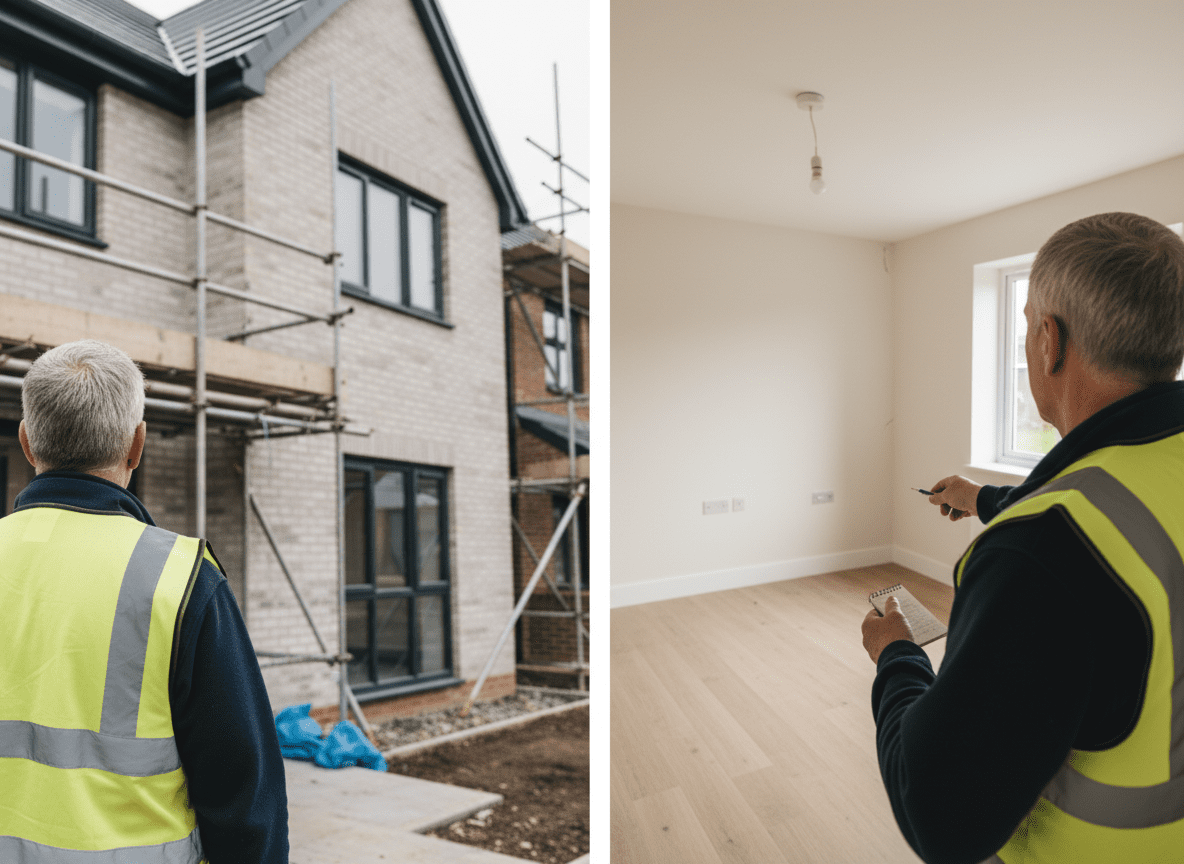
New builds are subject to their own inspection process. A pre-completion inspection checks the property before you receive the keys, while a post-completion survey can identify issues after you have moved in. These are different from a mortgage valuation and worth considering for new-build purchases.
Talk to a Surveyor Before You Exchange
If you are unsure whether to arrange your own survey alongside the mortgage valuation, or which type of RICS survey is right for your property, we are happy to help you think it through.



0 Comments