

One of the most common questions buyers ask is whether they need a Level 2 or Level 3 survey. The names sound similar, the prices differ, and estate agents often give mixed advice.
Choosing the wrong survey can leave you with gaps in information or unnecessary detail that does not help your decision. Choosing the right one gives you clarity, confidence, and a realistic view of risk before you exchange contracts.
This guide explains the difference in plain terms, helps you decide which survey fits your property, and shows when spending more upfront can save you far more later.
Why the choice between Level 2 and Level 3 matters
A home survey is not just a formality. It is your main opportunity to understand the condition of the property before you become legally committed.
The Level 2 and Level 3 surveys are designed for different types of buildings and levels of risk. If you pick the wrong one, the surveyor may not be able to give you the depth of advice you expect.
The key is not choosing the most expensive option by default, or the cheapest to save money. It is choosing the survey that matches the property.
What is a RICS Level 2 Homebuyer Survey?
A RICS Level 2 Homebuyer Survey is designed for properties that are conventional in construction and appear to be in reasonable condition.
It focuses on:
- Visible defects that need attention
- Issues that could affect value or safety
- Matters that may need further investigation
- Practical advice on repairs and maintenance
The report is structured to be clear and usable. Issues are prioritised so you can quickly see what matters most.
This survey suits many modern homes, typical family houses, and flats that have not been heavily altered.
What is a RICS Level 3 Building Survey?
A RICS Level 3 Building Survey is the most detailed residential survey.
It is designed for properties that carry more risk, including:
- Older buildings
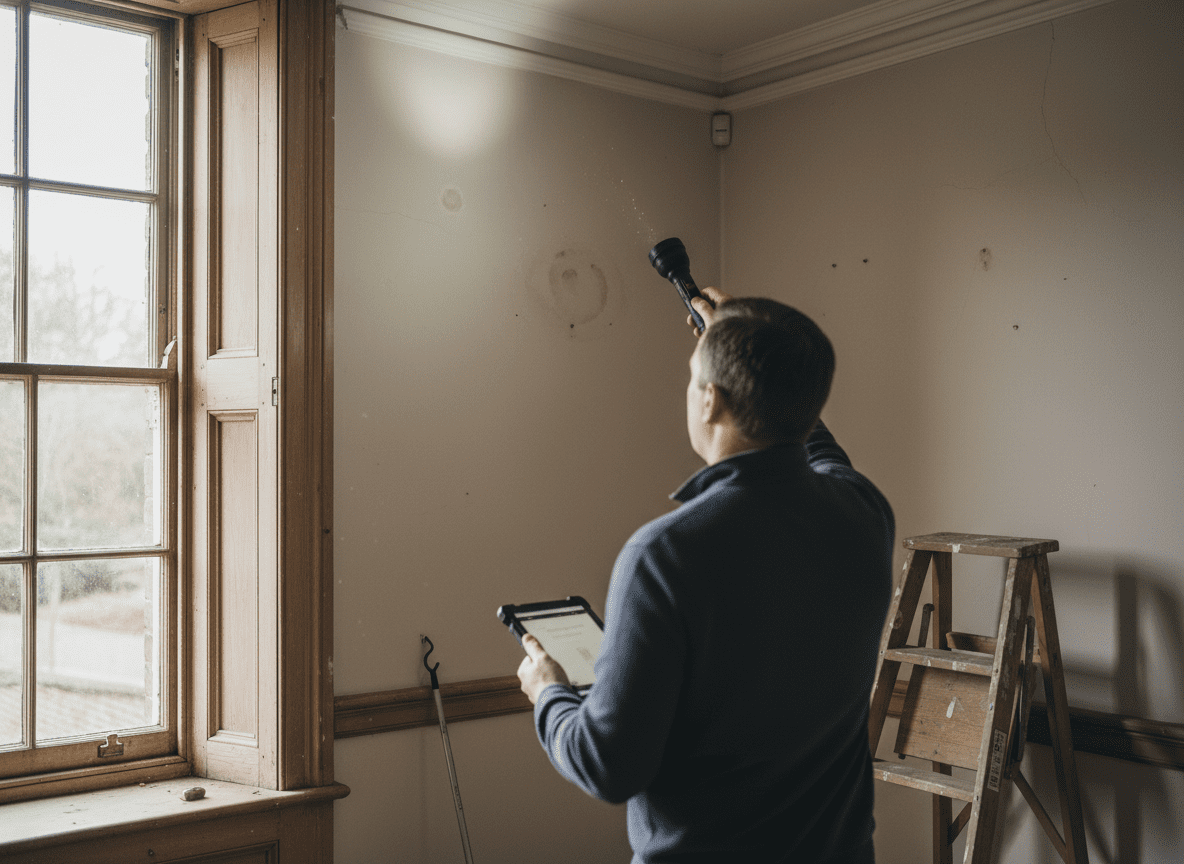
- Homes with visible defects
- Properties that have been extended or altered
- Unusual or non-standard construction
A Level 3 survey goes deeper into how the building is constructed and how defects may develop over time. It provides more detailed explanations and repair considerations.
This level of detail helps when you need to understand long-term maintenance or plan major works.
Key differences between Level 2 and Level 3 surveys
| Aspect | Level 2 Survey | Level 3 Survey |
|---|---|---|
| Property type | Conventional homes in reasonable condition | Older, altered, or complex properties |
| Depth of inspection | Standard visual inspection | More detailed analysis and commentary |
| Defect explanation | Clear and prioritised | More detailed cause and consequence |
| Repair guidance | General advice | More detailed repair considerations |
The inspection method is similar, but the reporting depth and analysis differ.
How property age affects your choice
Age is one of the strongest indicators when choosing a survey.
Older properties often have construction methods that behave differently from modern buildings. Solid walls, timber floors, lime mortar, and older roof structures can hide issues that need careful assessment.
In these cases, a Level 3 survey usually provides better insight and reduces uncertainty.
Extensions, renovations, and alterations
Alterations change how a building performs.
Extensions, loft conversions, and internal layout changes can introduce new risks. These include structural movement, drainage changes, and ventilation problems.
If a property has been altered, especially without clear documentation, a Level 3 survey often makes sense.
Visible defects and buyer concerns
If you have already noticed cracking, damp, roof issues, or uneven floors during viewings, that is an important signal.
A Level 2 survey can flag issues, but a Level 3 survey provides more context around cause, severity, and likely progression.
When concerns exist, more detail usually means better decision-making.
What about new builds and modern homes?
Many buyers assume new builds do not need a detailed survey. In practice, defects still occur.
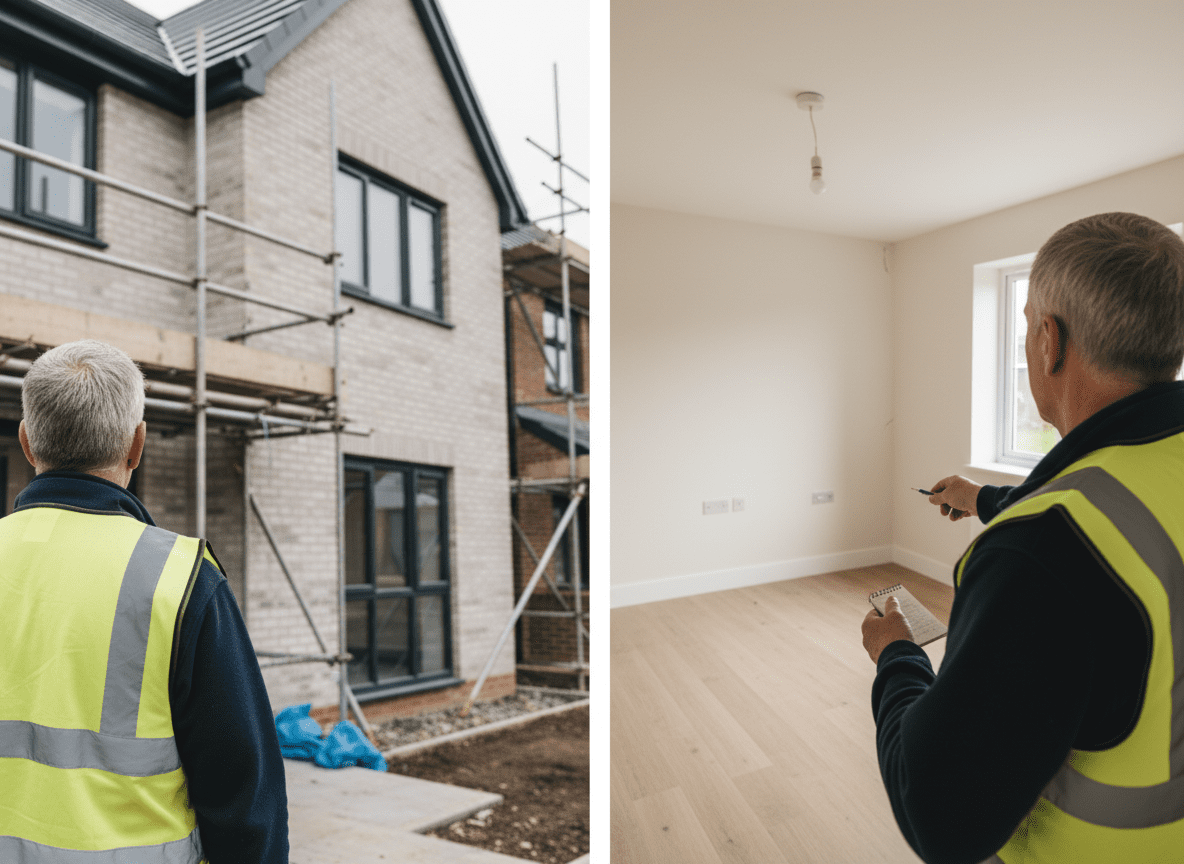
For many new or recently built homes, a Level 2 survey is sufficient. However, timing matters.
If you are near completion on a new build, a pre-completion inspection helps identify defects before you take legal ownership.
How your future plans influence the choice
Your intentions for the property matter.
If you plan to extend, remove walls, or carry out major renovations, understanding the building in more detail becomes more important.
A Level 3 survey can highlight constraints and risks that affect those plans, such as load-bearing walls, roof structure, or drainage layouts.
Cost versus value
A Level 3 survey costs more than a Level 2 survey. The difference often feels significant at the point of booking.
In the context of a property purchase, the extra cost is usually small compared to the value of the information gained.
One clear finding that helps you renegotiate or avoid a costly mistake can outweigh the difference in fee.
Common mistakes buyers make
- Choosing a Level 2 survey for an older or altered property
- Assuming a survey will confirm the house is perfect
- Using price alone to decide between survey levels
- Leaving the decision until the last minute
A survey works best when it is chosen early and matched carefully to the property.
How to decide quickly if you are unsure
If you are stuck between the two options, ask yourself:
- Is the property older or heavily altered?
- Are there visible defects?
- Do I plan major works?
- Would more detail help me feel confident?
If the answer is yes to more than one, a Level 3 survey is often the safer choice.



0 Comments