

How Long Does a Home Survey Take and When Will I Get the Report?
Most buyers feel anxious about survey timings. You might worry about holding up the chain, missing exchange deadlines, or slowing down your mortgage offer. These concerns are normal. Survey timings follow a predictable pattern, and once you understand the steps you can plan without guesswork.
This guide explains booking lead times, time on site, report turnaround, and what usually causes delays. If you want to compare survey depth first, start with a RICS Level 2 Home Survey or a RICS Level 3 Building Survey.
Quick answer: Most home surveys are booked within a few working days, but the time on site and the report turnaround depend on the survey type, the size of the property, and how complex it is. A RICS Level 2 Homebuyer Survey is usually quicker than a RICS Level 3 Building Survey because the inspection and report are less detailed.
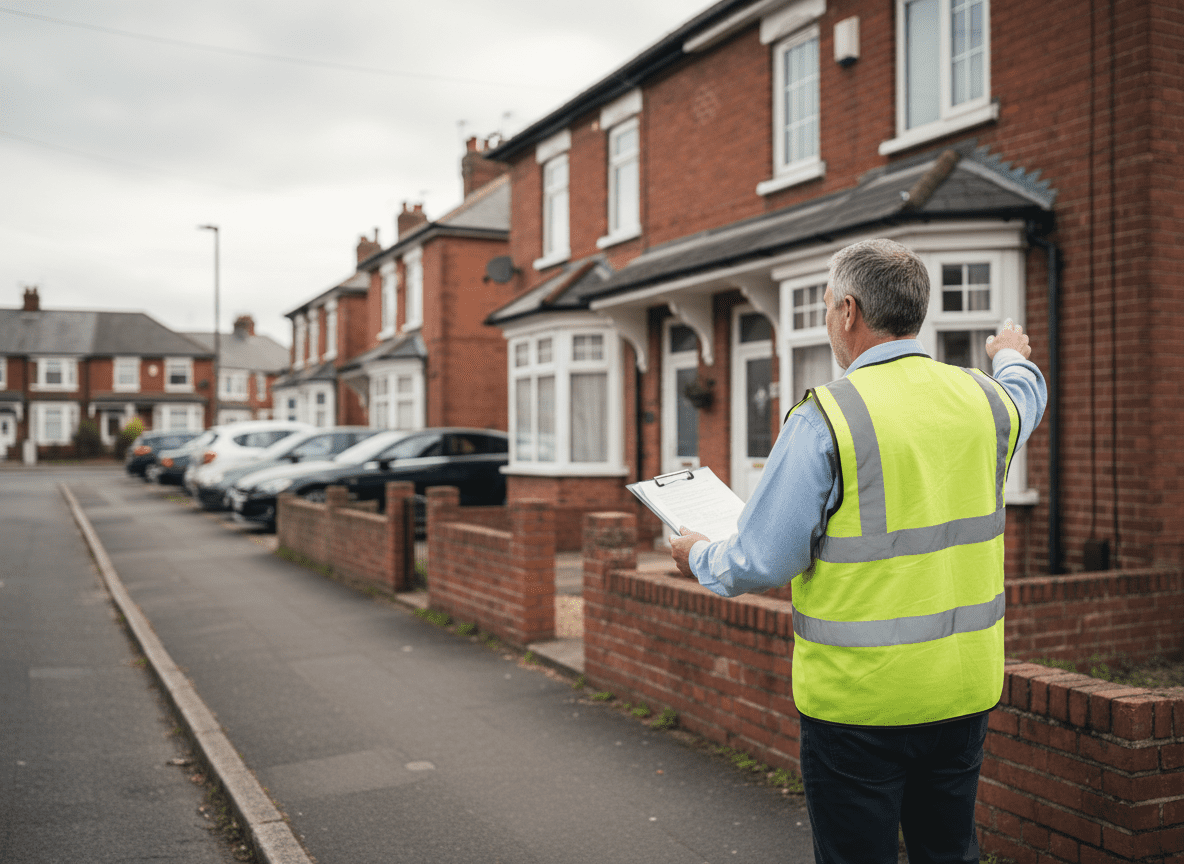
Quick timeline at a glance
- Typical booking windowLevel 2: 3–10 working days. Level 3: 5–14 working days.
- Survey day durationLevel 2: 1–2 hours. Level 3: 3–6 hours (longer for complex homes).
- Report turnaroundLevel 2: 2–5 working days. Level 3: 5–8 working days.
- What slows it downAccess issues, locked lofts, missing keys, or defects needing careful write-up.
- What you can do todayBook early, share your deadline, and get access confirmed with the agent.
How long it takes to book a survey
Booking lead times change with demand, property type, and diary space. Spring and early summer often fill up first. Quieter periods can be faster.
Typical lead times
- Level 2 survey: usually 3 to 10 working days
- Level 3 survey: often 5 to 14 working days due to longer site time and report drafting
- Pre-completion inspection: often flexible, but depends on site access and handover timing. See pre-completion inspections.
- Post-completion snagging survey: commonly 3 to 7 working days. See post-completion surveys.
Simple rule: book as soon as your offer is accepted. You can adjust the date later. You can’t undo a full diary week.
How long surveyors spend on site
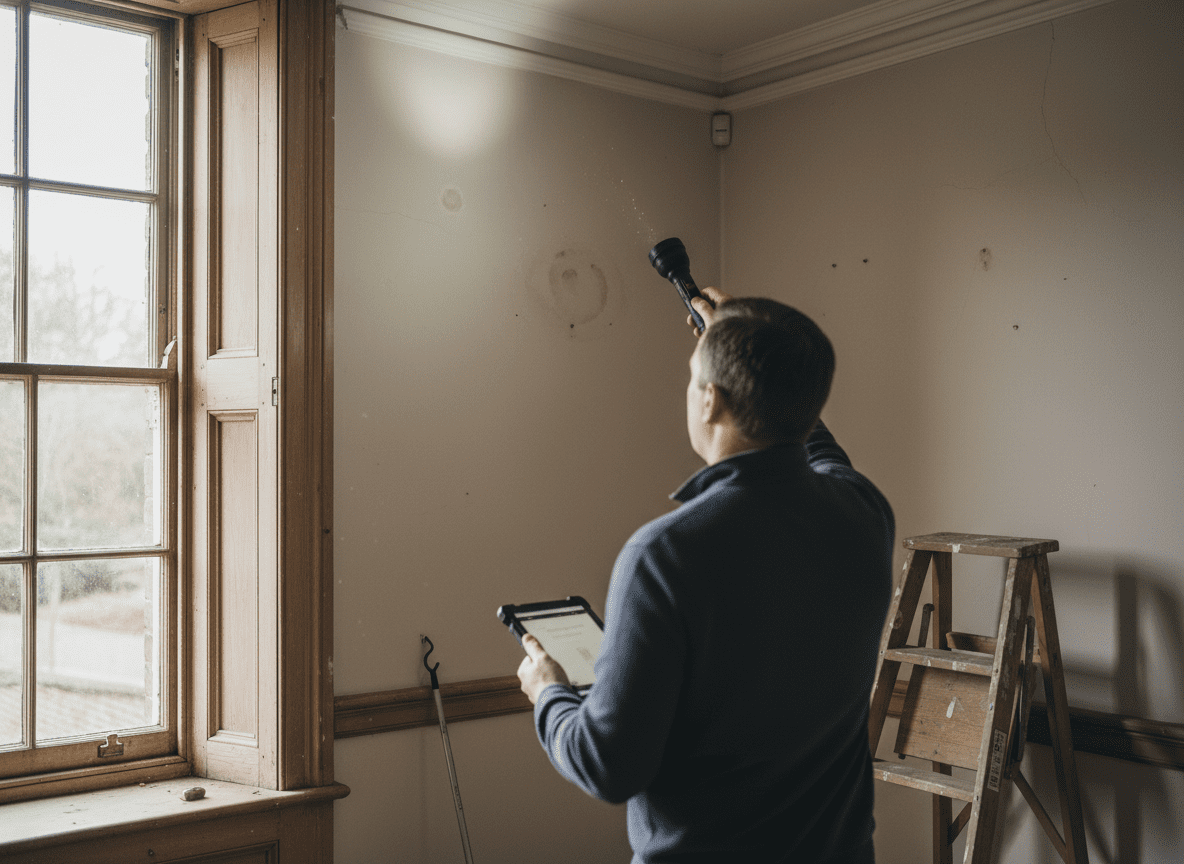
Time on site depends on inspection depth. Level 2 suits standard, reasonable-condition homes. Level 3 goes deeper and suits older, altered, or complex properties.
Why some surveys take longer than others
Not every property takes the same amount of time to inspect. A compact flat in good condition will usually be quicker to assess than a large detached house, an older home, or a property with extensions and alterations.
Survey length is shaped by things like access, layout, visible condition, and the level of detail needed in the final report. This is why a RICS Level 2 Homebuyer Survey is often shorter than a RICS Level 3 Building Survey.
- Property size: more rooms and more external areas take longer to inspect
- Property age: older homes often need closer attention
- Alterations: extensions, loft conversions, and structural changes can add complexity
- Access: locked lofts, blocked cupboards, or limited entry can affect timing
- Condition: visible defects often need more notes, photos, and explanation
Level 2 survey time on site
Most Level 2 inspections take 1 to 2 hours. Larger houses and complicated layouts can push this higher.
The surveyor checks visible and accessible parts of the property, inside and out. You can see what’s included on our Level 2 survey page.
Level 3 survey time on site
Most Level 3 inspections take 3 to 6 hours. Period homes, listed buildings, extensions, and non-standard construction often take longer.
For detail on when Level 3 makes sense, see our Level 3 survey page.
Snagging and new build inspections
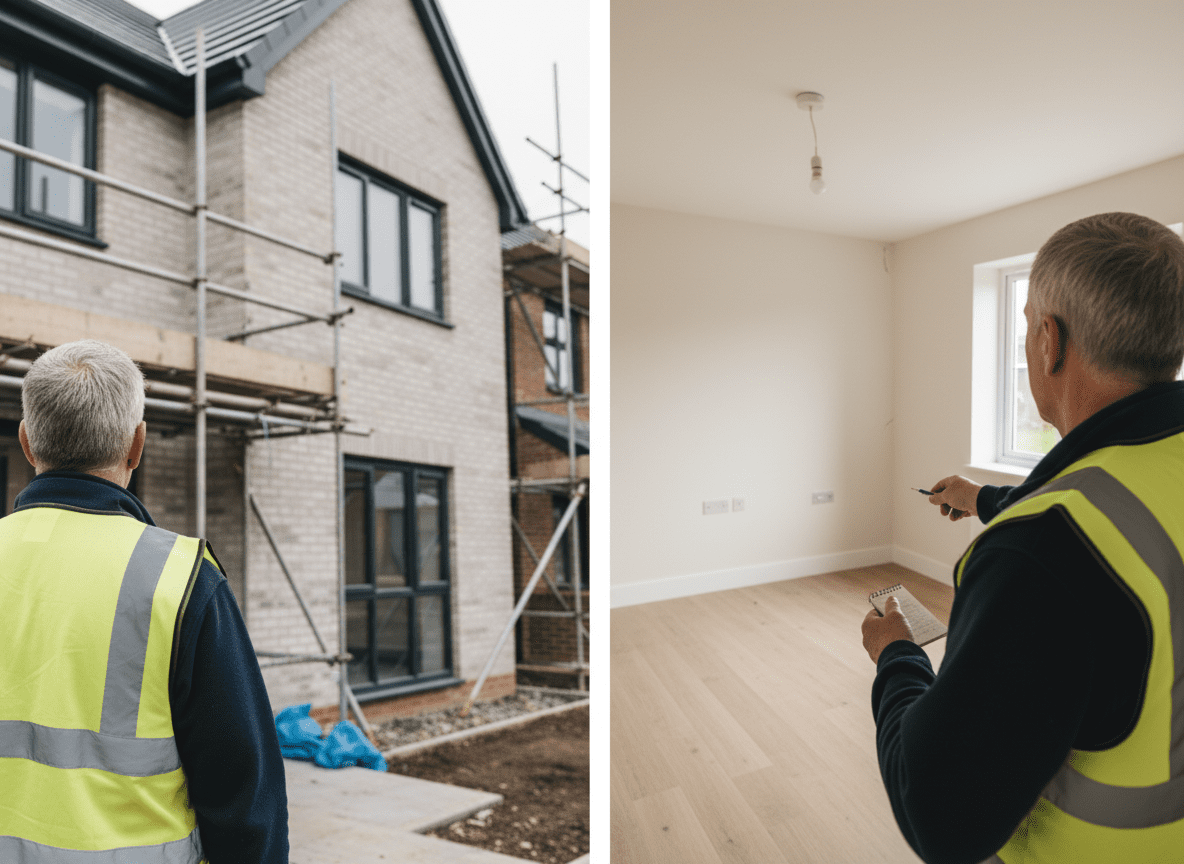
Snagging inspections often take 2 to 4 hours. This depends on size, finish quality, and how much access the developer provides on the day.
Pre-completion checks can be shorter if the property is still in final stages and access is limited.
How long you wait for the report
Most buyers receive their report faster than they expect. The key difference is the amount of explanation and the complexity of the property.
Typical report timelines
- Level 2 survey report: usually 2 to 5 working days after inspection
- Level 3 survey report: usually 5 to 8 working days
- Snagging report: often same day to 2 working days
If you have a deadline: share it at booking. It’s easier to plan a faster turnaround when everyone knows the target date.
What speeds things up or slows them down
What can speed up delivery
- Access confirmed early with the agent or seller
- Keys available on time
- Loft hatch accessible and safe
- Boiler cupboard and consumer unit visible
- Buyer shares deadlines and concerns when booking
What might slow down the report
- Locked rooms, no loft access, or missing keys
- Last-minute access changes by the seller or agent
- Complex layouts, older construction, or extensive alterations
- Defects that need careful explanation so you can act correctly
Most delays come from access. The quickest win is getting confirmation in writing from the agent as early as possible.
Survey timeline from offer to report
This is the typical flow most buyers follow. Use it to plan around solicitor work, mortgage steps, and chain pressure.
- Offer accepted: decide the survey level and book straight away.
- Access arranged: surveyor confirms entry with the agent or seller.
- Survey day: inspection takes place. You do not need to attend.
- Write-up: notes, photos, and risks get turned into a clear report.
- Report sent: you receive it by email within the stated turnaround.
- Follow-up: you ask questions and decide on next steps.
- Decision point: renegotiate, request repairs, or proceed with clarity.
If you want to prepare for the visit and avoid access problems, read Your role in the home survey.
Timescales table
These ranges cover most homes. Very large properties, unusual construction, and heavy alterations can extend on-site time and drafting.
| Survey type | Time on site | Report turnaround | When to book |
|---|---|---|---|
| Level 2 Home Survey | 1–2 hours | 2–5 working days | As soon as the offer is accepted |
| Level 3 Building Survey | 3–6 hours | 5–8 working days | Early, especially for older or altered homes |
| Pre-completion inspection | 1–3 hours | Same day to 2 working days | Book when the developer confirms access |
| Post-completion snagging | 2–4 hours | 1–2 working days | Book in the first 1–2 weeks after moving in |
How survey timings fit into a property chain
Buyers often assume the survey causes delays. Most of the time, it does not. Solicitor searches and enquiries usually take longer.
Why early booking helps
- You get the report before negotiations start to feel rushed
- You avoid diary gaps when surveyors get busy
- You give yourself time for follow-up checks if needed
- You reduce the chance of “exchange pressure” without answers
If the seller pushes for speed, you can still move quickly. You just need the survey booked early and access confirmed.
How long does a Level 2 survey take?
A Level 2 survey usually takes less time than a Level 3 survey. The exact length depends on the size, type, and condition of the property, but it is designed for more standard homes in reasonable condition.
How long does a Level 3 survey take?
A Level 3 survey usually takes longer because it is more detailed. It is often used for older, altered, larger, or more complex properties where the surveyor needs to give fuller condition advice.
Does a bigger or older property take longer to survey?
Yes, in many cases it does. Larger homes, older buildings, and properties with alterations often take longer to inspect because there is more to assess and explain in the report.
When should I book?
When should I book after my offer is accepted?
Book straight away. Solicitor work runs in parallel, so early booking keeps your timeline moving while the legal process starts in the background.
Can I book before my mortgage valuation?
Yes. A mortgage valuation protects the lender and can happen on a different timeline. Waiting for it often adds days for no real benefit.
What if I’m in a chain and need speed?
Share your deadline at booking and ask the agent to confirm access in writing. That removes the most common causes of delay.
Can the survey delay exchange?
Not usually. Delays tend to come from access issues or follow-up checks on major defects. Booking early gives you room to deal with findings without holding up exchange.
Need help choosing the right survey?
If you are working to a deadline or comparing timescales, the best next step is to choose the right survey first. See the RICS Level 2 Homebuyer Survey, the RICS Level 3 Building Survey, or contact us to discuss which survey fits your property.



0 Comments