

Many buyers feel overwhelmed when they open their Homebuyer Report for the first time. The document is long, detailed and full of technical phrases that can feel unfamiliar. A Level 2 report is designed to be clear, but it still helps to understand how each section works. This guide breaks down what a Homebuyer Report looks like, how to read it, and what each part means for your purchase.
What Does a Homebuyer Report Look Like? Example Sections Explained
When people search for a “homebuyer report example” or want to know “what does a homebuyer report look like?”, they usually want reassurance. They want to know what they’ll receive, what it will tell them, and how to make sense of the findings. A Level 2 survey, such as the one offered through our Level 2 Homebuyer Survey service, follows a consistent structure. Once you understand how the report is built, the document becomes much easier to use during your purchase.
For examples of the types of problems these surveys uncover, you can also read our article on hidden issues: 10 hidden issues a Level 2 survey can uncover. And for guidance on how to prepare, see Your role in the home survey.
What You Receive: The Structure of a Homebuyer Report
A Homebuyer Report, also called a Level 2 report, usually arrives as a PDF. It includes written descriptions, traffic-light ratings, observations, photos and suggested actions. The layout varies slightly between surveyors, but the core structure follows RICS guidance.
The document uses plain language where possible and focuses on visible condition rather than intrusive inspection. The report is divided into predictable sections so you can find important information quickly.
The Front Summary Page: Your Overview at a Glance
Most Homebuyer Reports begin with a summary page. This page lets you understand key findings before reading the full document. It lists the most important issues and any urgent concerns highlighted during the inspection.
Typical Elements of the Front Summary
- A short description of the property.
- The survey level completed (Level 2).
- Overall condition rating.
- Summary of main repairs or issues.
- Any safety concerns noted during the inspection.
- Recommendations for next steps.
- Notes on any parts of the property not inspected.
This page is not the full report but a signpost. It helps you understand whether the property has mostly amber ratings, several red ratings, or a mix of both. It also highlights whether further investigation is needed in any areas.
Traffic-Light Ratings: How to Read the Report
The traffic-light system is one of the most recognisable parts of a Level 2 report. It gives you a quick way to understand urgency and risk without needing technical knowledge. The colour ratings appear next to each element of the home.
| Rating | Meaning | Suggested Action |
|---|---|---|
| 1 (Green) | Normal condition | No action needed beyond routine maintenance |
| 2 (Amber) | Some repairs required | Monitor and address in due course |
| 3 (Red) | Serious or urgent defect | Repair or investigate promptly |
Buyers often focus most on the red ratings. These highlight problems that need urgent attention or specialist assessment. Amber ratings are common and often relate to routine maintenance.
Main Report Sections: What Is Covered
A Homebuyer Report reviews several areas of the home. Each section uses written observations and traffic-light ratings to explain what the surveyor saw and what it means for you as the buyer.
1. External Condition
This part of the report covers the outside of the home, including structural elements and visible finishes.
Typical Inclusions
- Roof coverings and visible slopes.
- Chimneys, flashings and roof junctions.
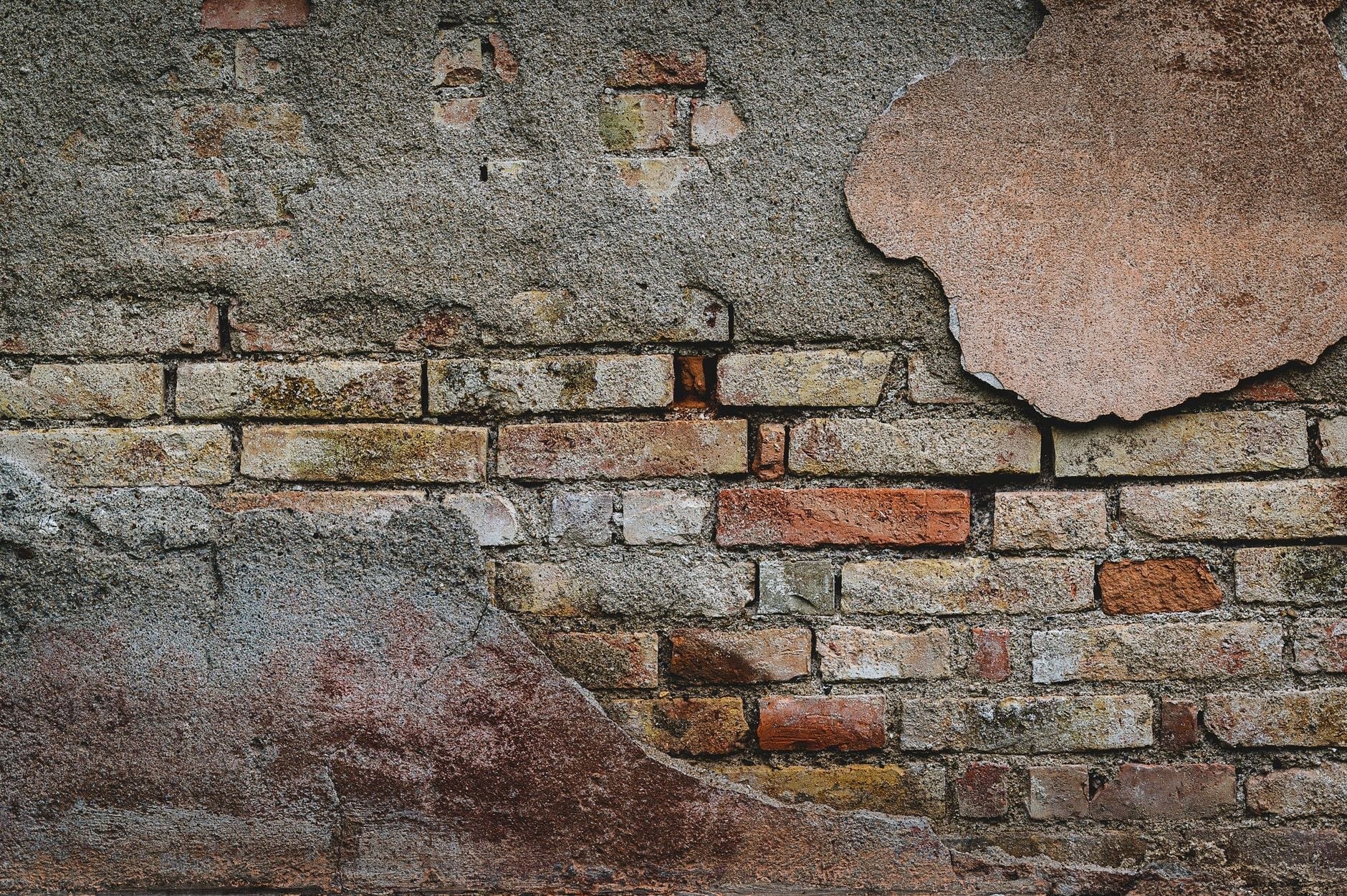
- Brickwork, render and cladding.
- Windows, doors and external joinery.
- Rainwater goods (gutters and downpipes).
- Evidence of cracking or movement.
- Signs of damp or poor maintenance.
Issues in this section often relate to wear, weather exposure, aging materials or poor repair work.
2. Internal Condition
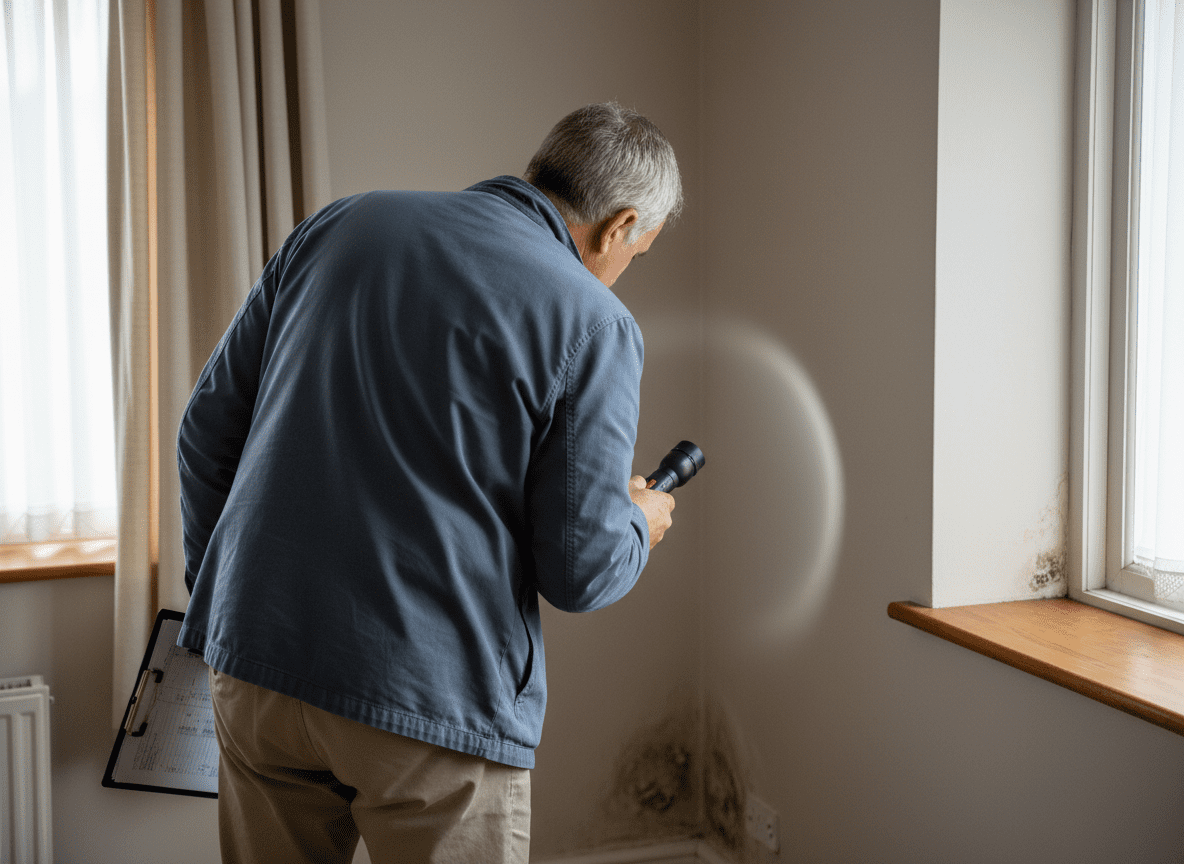
This section reviews the inside surfaces of the home. It highlights visible defects and signs of damp, leaks, movement or deterioration.
Typical Inclusions
- Walls, ceilings and partitions.
- Floors (solid or suspended).
- Loft hatch and roof space (if accessible).
- Internal doors and joinery.
- Bathrooms and kitchen units (visible parts only).
- Fireplaces and chimney breasts.
- Signs of leaks, moisture or staining.
3. Services (Visual Review Only)
A Homebuyer Report does not test electrics, plumbing or heating. Instead, it makes visual observations and highlights concerns.
Typical Inclusions
- Visible pipework, radiators and boilers.
- Consumer unit and electrical fittings (visual only).
- Water tanks and cylinders.
- Ventilation and extractor fans.
- Evidence of leaks or corrosion.
4. Grounds and Outbuildings
This part of the report covers the exterior areas connected to the home.
Typical Inclusions
- Paths, driveways and retaining walls.
- Garages and small outbuildings.
- Fences, gates and boundary structures.
- Drainage covers and visible channels.
- Vegetation concerns near walls or drains.
Photos and Defect Notes
Photos help buyers understand what the surveyor saw. They often accompany written descriptions, giving clarity on location, severity and appearance. Photos may show:
- Cracked bricks or loose render.
- Missing tiles or worn flashing.
- Timber decay or damp staining.
- Leaking joints or plumbing concerns.
- Mould around windows or ceilings.
- Misaligned doors and frames.
Not every issue includes a photo, but significant findings usually do. Photographs can be helpful when negotiating repairs or discussing concerns with contractors.
Recommendations and “Further Investigation” Notes
One of the most useful parts of a Homebuyer Report is the recommendations section. Here, the surveyor explains what you should do next, whether repairs are urgent and whether specialist assessments are needed.
Examples of Common Recommendations
- “Monitor cracking for movement over time.”
- “Seek a qualified electrician to review wiring.”
- “Replace defective pointing to prevent water ingress.”
- “Repair flashing to reduce risk of roof leaks.”
- “Investigate damp levels with a specialist contractor.”
“Further investigation” is used when the surveyor cannot confirm the cause or extent of a problem. This does not mean the issue is severe, but that additional checks would reduce uncertainty.
Common Phrases in Homebuyer Reports and What They Mean
Surveyors use consistent language to describe conditions, risks and limitations. Understanding these phrases helps you interpret the report more easily.
- “Appears typical for age and type” – normal wear with no major concern.
- “Evidence of past movement” – the property has moved historically but may now be stable.
- “High damp readings recorded” – moisture levels exceed normal, further checks advised.
- “Limited access restricted inspection” – furniture or layout prevented full review.
- “May not meet current standards” – older installations that still function but lack today’s safety features.
- “Likely to require repair in the short term” – expect repair costs soon after purchase.
- “Advise specialist investigation” – deeper review recommended before exchange.
These terms may sound cautious, but they help you understand the condition of the home clearly and realistically.
Typical Next Steps After Receiving a Homebuyer Report
A survey does not stop you buying the home. It gives you clarity so you can proceed with confidence or negotiate where needed.
Your Next Steps
- Review the summary and colour ratings.
- Read the red ratings first to understand urgent issues.
- Discuss any concerns with your surveyor.
- Speak to contractors if specialist checks are recommended.
- Use findings to negotiate with the seller if appropriate.
- Plan future repair and maintenance budgets.
- Keep the report for long-term reference.
Most buyers find that seeing the issues in context helps reduce stress. You know exactly what you’re dealing with, and many findings relate to normal maintenance rather than serious defects.
If you want to see experiences from others who have used our surveys, you can read what clients say on our Testimonials page.
FAQ: Understanding and Using a Homebuyer Report
1. Does a Homebuyer Report include a valuation?
Most Level 2 surveys do not include a valuation unless requested. The focus is on condition.
2. Should I worry about red ratings?
Red ratings highlight issues that need repair or investigation. They do not mean you should walk away, but you should understand the cost and urgency.
3. Why do some items say “further investigation required”?
This means the surveyor has identified a potential issue that needs specialist assessment before you commit.
4. Will the report tell me how much repairs will cost?
Costs are not included, but the report explains the nature and seriousness of issues so you can obtain quotes.
5. Do I need to be present during the survey?
No. The surveyor conducts the inspection independently. You can read more about your involvement in our article Your role in the home survey.
6. How long is a Homebuyer Report?
Typical reports range from 25 to 50 pages, depending on the home’s complexity.
7. Can I call the surveyor to discuss the report?
Yes. Many buyers find it helpful to talk through the findings.
8. Is a Level 2 report enough for all homes?
No. Older, extended or unusual homes often need a Level 3 survey for deeper assessment.
Book a Level 2 Homebuyer Survey
If you want a clear, structured review of your next home, a Level 2 survey gives you a reliable picture of condition and risk. You can learn more about what’s included on our Level 2 Homebuyer Survey page.
If you’re ready to arrange a survey or want advice on what level you need, share a few property details and we’ll guide you through the next steps. A good report gives clarity, reduces stress and helps you make the right decision with confidence.






0 Comments