

Do Mortgage Lenders Require a Survey? What Buyers Should Know
If you are buying a home with a mortgage, you may have heard that the lender will send a surveyor to the property. That can lead to a natural question: does that mean a survey is already covered?
The short answer is no. What a mortgage lender arranges is a valuation — and a valuation is not the same as a survey. Understanding the difference matters, because one is designed to protect the lender and the other is designed to protect you.
Key takeaways
- Mortgage lenders arrange a valuation, not a full property survey.
- The valuation protects the lender — it confirms the property is worth what they are lending.
- A structural survey is separate and arranged by the buyer for their own protection.
- You are not obliged to arrange a survey, but it is usually a sound decision.
- A RICS Level 2 or Level 3 survey gives you an independent assessment of the property’s condition.
What mortgage lenders actually arrange
When you apply for a mortgage, the lender needs to be confident that the property is worth at least as much as the amount they are lending. To confirm this, they commission a valuation — sometimes called a mortgage valuation or a bank valuation.
This is carried out by a valuer, who typically visits the property for a short inspection. They are assessing market value: essentially, what the property could sell for in current conditions.
The valuation report goes to the lender, not to you. In some cases you may receive a copy, but the report is written with the lender’s interests in mind, not yours.
Some lenders now carry out automated desk-based valuations without a physical visit at all. This relies on comparable sales data and does not involve anyone inspecting the property in person.
Is a mortgage valuation the same as a survey?
No. A mortgage valuation and a property survey are two different things, carried out for different purposes.
| Mortgage Valuation | RICS Property Survey |
|---|---|
| Arranged by the lender | Arranged by the buyer |
| Confirms the property’s market value | Assesses the property’s physical condition |
| Protects the lender’s interests | Protects the buyer’s interests |
| Short visit; limited detail | Thorough inspection; detailed report |
| Report goes to the lender | Report goes to you |
| Does not identify structural defects | Identifies defects, risks, and recommended actions |
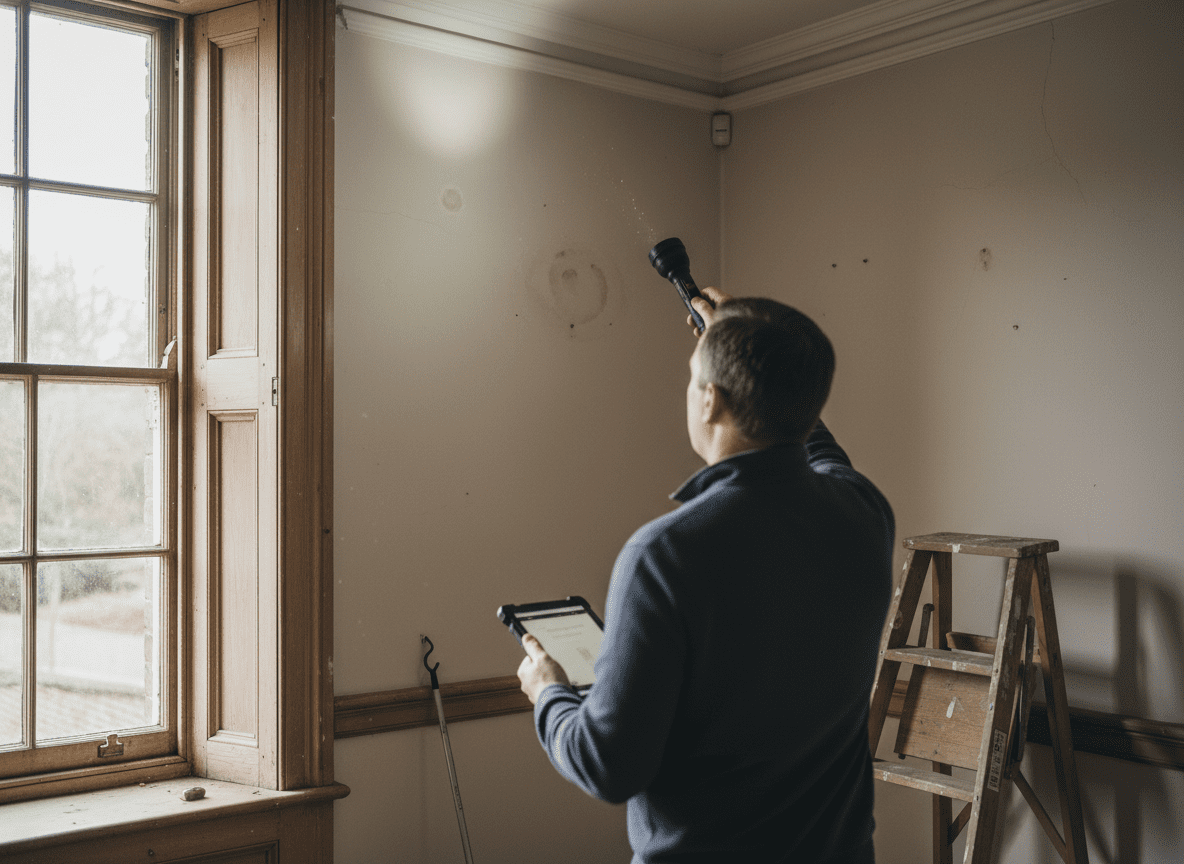
A surveyor carrying out a mortgage valuation is not looking for damp, roof problems, structural movement, or any of the other issues that could cost you money after you complete. That is outside the scope of a valuation.
So even if the mortgage valuation comes back fine, that does not tell you anything meaningful about the actual condition of the property.
What a mortgage valuation doesn’t cover
Because a valuation is focused on market value rather than physical condition, there are many things it will not identify or report on.
Structural issues
Cracks in walls, movement in foundations, and problems with timber frames are not within the scope of a mortgage valuation. A valuer is not inspecting the building fabric in detail.
Damp and mould
Rising damp, penetrating damp, and condensation issues are among the most common problems found during a proper survey. A mortgage valuation will not pick these up unless they are highly visible and affect the property’s saleability.
Roof condition
Roof coverings, flashings, and guttering are assessed in detail during a RICS survey. A valuation will not typically comment on the remaining life of a roof or identify early-stage problems.
Electrical and plumbing systems
The condition of wiring, consumer units, central heating, and pipework falls outside a mortgage valuation. A survey may flag visible concerns and recommend specialist checks where needed.
Drainage and services
Blocked drains, failing inspection chambers, or drainage that discharges incorrectly are issues a structural survey may identify. A valuation does not cover them.
Worth knowing: The mortgage valuation is essentially a tick-box exercise for the lender. It confirms the property is worth the loan amount. It is not there to tell you whether the property is in good condition or whether there are problems you should know about before you commit.
When should you arrange a separate survey?
Most buyers benefit from arranging their own survey, regardless of what the mortgage lender organises. The question is usually which type of survey best fits the property.
Older properties and period homes
Properties built before the 1960s are more likely to have issues with original materials, construction methods, and age-related deterioration. A RICS Level 3 Building Survey is typically recommended for these properties. It provides the most thorough inspection and is suited to older, larger, or significantly altered homes.
Standard homes in good condition
For a conventional post-war property in reasonable condition, a RICS Level 2 Homebuyer Survey provides a clear, practical report on the property’s condition. It identifies defects, flags items needing attention, and helps you understand what you are buying.
New builds
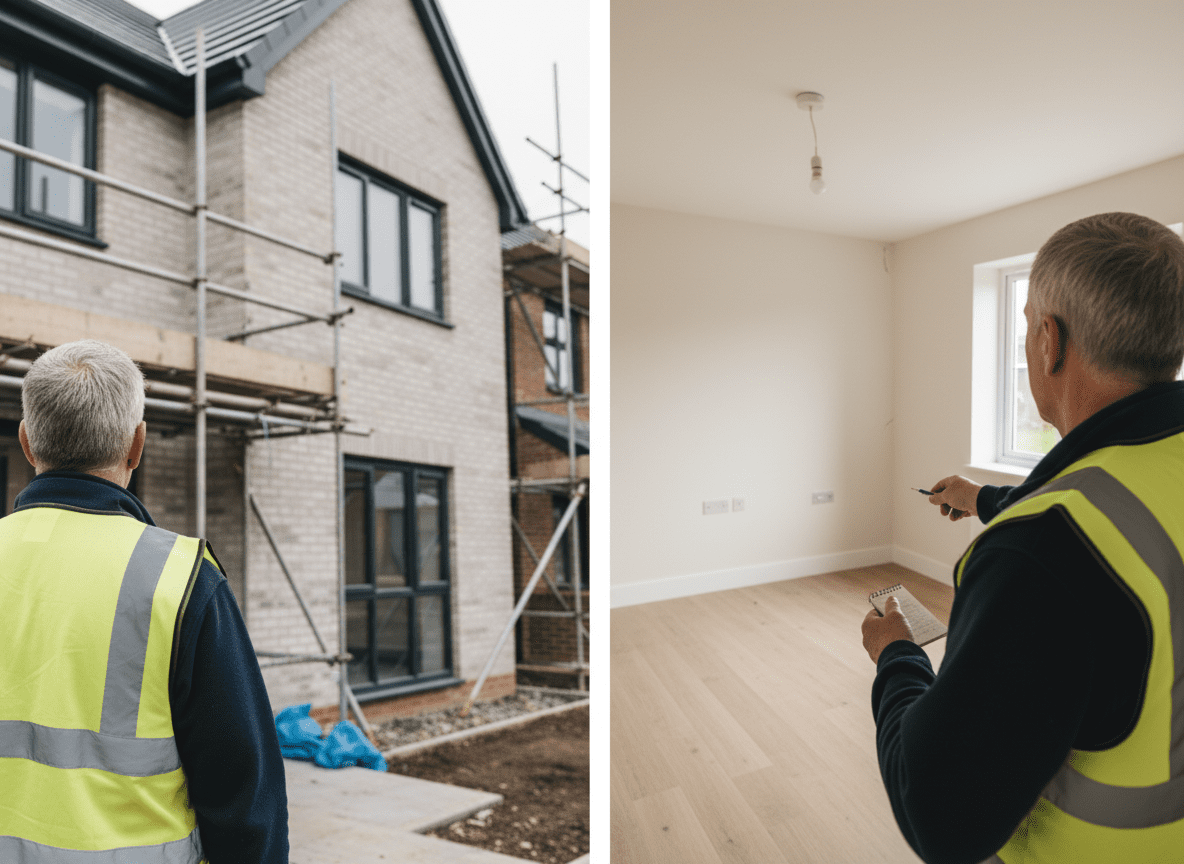
New builds come with a developer’s warranty, but that does not mean they are free of issues. A pre-completion inspection or new build snagging survey can identify problems before you legally complete — giving you the opportunity to have them rectified by the developer.
If problems are already visible
If you have noticed cracks, damp staining, uneven floors, or any other visible signs of concern during viewings, it is particularly important to have a proper survey carried out before you exchange. A mortgage valuation will not investigate these issues for you.
Who pays for the mortgage valuation?
In many cases, buyers pay for the mortgage valuation as part of the mortgage application fees. Some lenders include it at no additional cost, depending on the product and the lender. It is worth checking what your mortgage offer includes.
Either way, the fee you pay for a mortgage valuation does not give you access to a full survey report. If you want a report written for your benefit, you need to arrange a separate survey.
A RICS Level 2 or Level 3 survey is a separate appointment and a separate cost. It is carried out by a RICS-qualified surveyor who inspects the property specifically to give you an informed view of its condition.
Types of surveys buyers can arrange
If you decide to arrange your own survey — which most buyers find worthwhile — there are several options depending on the property and your priorities.
RICS Level 2 Homebuyer Survey
This is the most popular choice for standard residential properties. It provides a clear, structured report using a traffic-light condition rating system. The surveyor inspects accessible parts of the property and highlights defects, risks, and areas where further investigation may be needed. It is suitable for most homes built after around 1900 that are in reasonable condition and have not been significantly altered.
RICS Level 3 Building Survey
A more detailed inspection, recommended for older properties, listed buildings, properties with visible defects, or homes you plan to extend or significantly renovate. The Level 3 report goes into greater technical depth about the construction, condition, and likely future maintenance requirements of the property.
Pre-completion and post-completion inspections
Designed for new-build buyers, these inspections check the property before and shortly after legal completion to identify snagging issues and defects while the developer is still responsible for remedying them.
Not sure which survey fits your property? If you are unsure whether Level 2 or Level 3 is right, it depends on the age, type, and condition of the property. Contact us and we can help you choose based on the specific home you are buying.
Book a survey for your next property
Blue Blossom Surveys Ltd provides RICS Level 2 and Level 3 surveys across Peterborough and surrounding areas. We give you clear, evidence-led reports so you can make an informed decision before you commit.
Contact us to discuss your survey | Choosing the right survey
Frequently asked questions
Does my mortgage lender require me to get a survey?
No. Mortgage lenders require a valuation for their own purposes, but they do not typically require you to arrange a separate structural survey. That is your choice to make as a buyer.
Can I use the mortgage valuation as a survey?
No. The mortgage valuation is a brief assessment of market value for the lender’s benefit. It does not provide information on the property’s condition and is not written for you. It cannot be used as a substitute for a RICS survey.
Will my mortgage lender tell me if the property has problems?
Not necessarily. The mortgage valuation report belongs to the lender, and even if you receive a copy, it will not comment on most structural or condition issues. The valuer is not looking for defects on your behalf.
What does a bank surveyor check?
A bank or lender’s valuer primarily checks that the property exists in broadly the condition described, that there are no obvious major issues that would affect its saleability, and that the agreed price reflects current market value. They are not assessing the full condition of the building.
Is it worth getting a survey if the mortgage valuation is fine?
Yes, for most buyers. A satisfactory mortgage valuation simply means the lender is comfortable lending against the property — it says nothing about whether the property has defects that could cost you money. A proper survey gives you that information.
Who arranges my survey — the lender, the estate agent, or me?
You arrange your own survey directly with a RICS-qualified surveyor. The lender arranges the valuation separately. The estate agent does not arrange surveys on your behalf.
How much does a survey cost compared to a valuation?
Costs vary depending on property size, type, and location. A RICS Level 2 or Level 3 survey is a separate cost from the mortgage valuation fee. Contact us to discuss pricing for your specific property.
Related reading: Can a Home Survey Stop a Sale? What Buyers and Sellers Need to Know.



0 Comments