

Why You Should Act Fast
Unchecked damp leads to:
- Rotting timber and weakened structural timbers
- Peeling paint and compromised finishes
- Increased heating bills as walls lose insulation value
- Health risks from mould spores, especially for asthma sufferers
Early intervention saves you money, prevents property damage, and protects your familys wellbeing.
Common Types of Damp
Surveyors classify damp into three main categories:
- Rising Damp: Moisture wicks up from ground level through porous brick or mortar. Look for a tide mark on walls, often 11.5 m above floor level.
- Penetrating Damp: Water seeps in from outside, usually via defective gutters, cracked render, or poorly sealed windows. Patches appear on walls after heavy rain.
- Condensation: Humidity from bathing, cooking, or drying clothes condenses on cool surfaces. Mould thrives in corners, behind wardrobes, and on window frames.
Early Warning Signs to Watch For
Before you call a surveyor, check your home for these red flags:
- Musty odour: A persistent damp smell in basements, cupboards, or ground-floor rooms.
- Discoloured patches: Yellow-brown stains on walls or ceilings, especially external walls.
- Peeling paint or wallpaper: Bubbling or blistering finishes often indicate moisture behind the surface.
- White powdery deposits: Efflorescencesalt crystals left behind as water evaporates.
- Mould growth: Black, green, or grey spots in corners, behind furniture, or around window seals.
How Surveyors Diagnose Damp
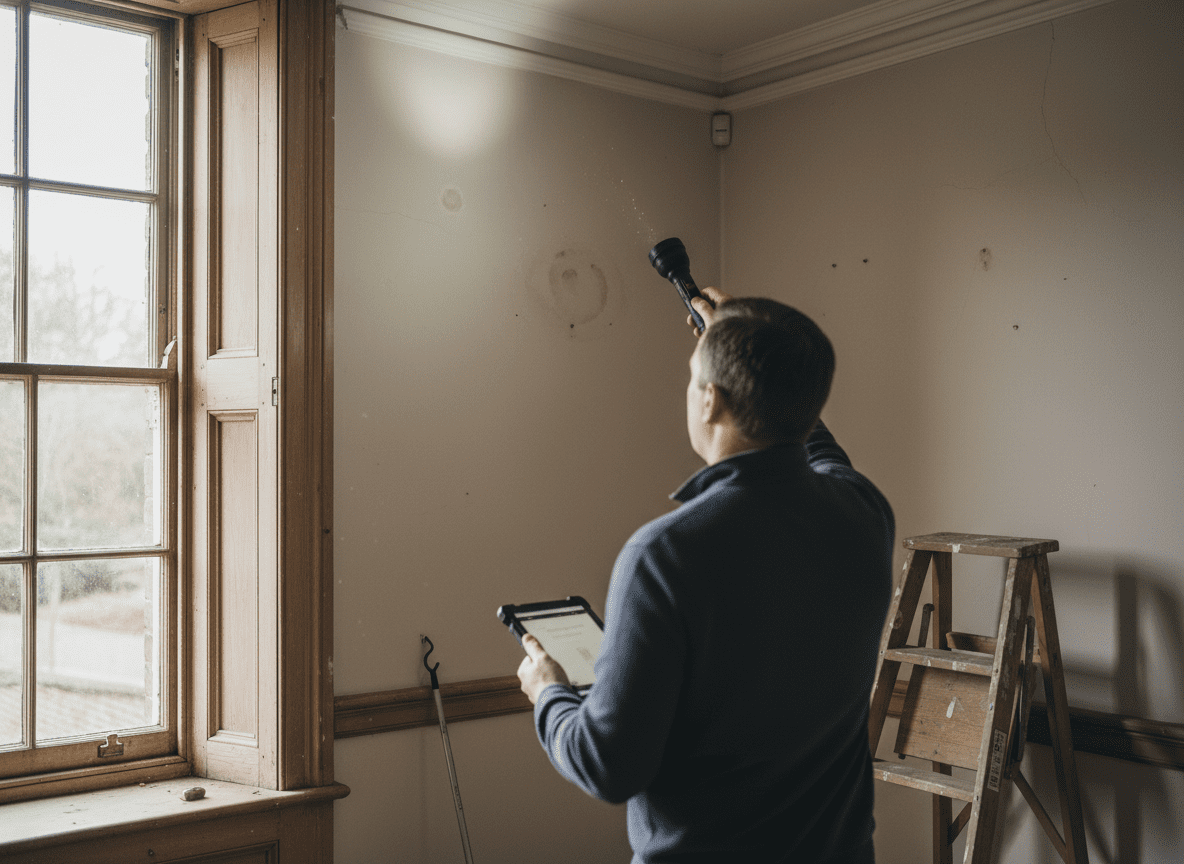
A qualified surveyor uses specialist tools and techniques to pinpoint the cause:
- Moisture meter readings: Non-invasive sensors measure damp levels within plaster and masonry.
- Thermal imaging: Infrared cameras identify cold bridges and insulation gaps where condensation builds up.
- Visual inspection: Checking roof coverings, gutter fall, pointing quality, and damp-proof courses.
- Humidity monitoring: Logging relative humidity in problem areas to distinguish condensation from rising damp.
Diagnostic accuracy ensures you treat the root cause, not just the symptom.
Surveyor Solutions for Each Damp Type
Rising Damp
- Reinstating damp-proof course (DPC): Injecting chemical barriers into masonry to block moisture upward.
- Replacing skirting boards and plaster: Remove and renew damaged materials below the DPC level.
- Improving drainage: Install French drains or regrade soil levels to divert water away from foundations.
Penetrating Damp
- Repairing gutters and downpipes: Clear blockages, re-fix loose joints, and install leaf guards.
- Repointing or re-rendering: Replace cracked mortar or render with a breathable mix to shed rainwater and allow walls to breathe.
- Sealing window and door frames: Reseal or replace failing seals to prevent water ingress.
Condensation Control
- Boost ventilation: Install extractor fans in kitchens and bathrooms; ensure trickle vents are open.
- Improve insulation: Upgrade loft and wall insulation to reduce cold surfaces.
- Use dehumidifiers: Portable units help in persistent problem areas.
- Adjust heating: Maintain consistent background heat to reduce temperature differentials.
Case Study: Peterborough Edwardian Terrace
An Edwardian terrace in Dogsthorpe suffered recurring damp patches on the ground-floor bay window. Our surveyor used moisture meters and thermal imaging to discover:
- Failing gutter joints above the bay, causing penetrating damp.
- Cold bridge at the window reveal, leading to condensation.
We recommended:
- Re-seating the gutter and installing a new downpipe connection.
- Applying breathable lime plaster to the bay reveal after repairing the damp-proof course.
- Adding discreet trickle vents in the bay windows.
The client saw immediate improvementsno mould regrowth after three months and a more comfortable room temperature.
When to Book a Professional Damp Survey
If you spot persistent signs, dont delay:
- Visible tide marks or peeling finishes despite redecorating.
- Musty odours returning after airing out.
- Health symptoms like coughing or asthma flare-ups linked to mould.
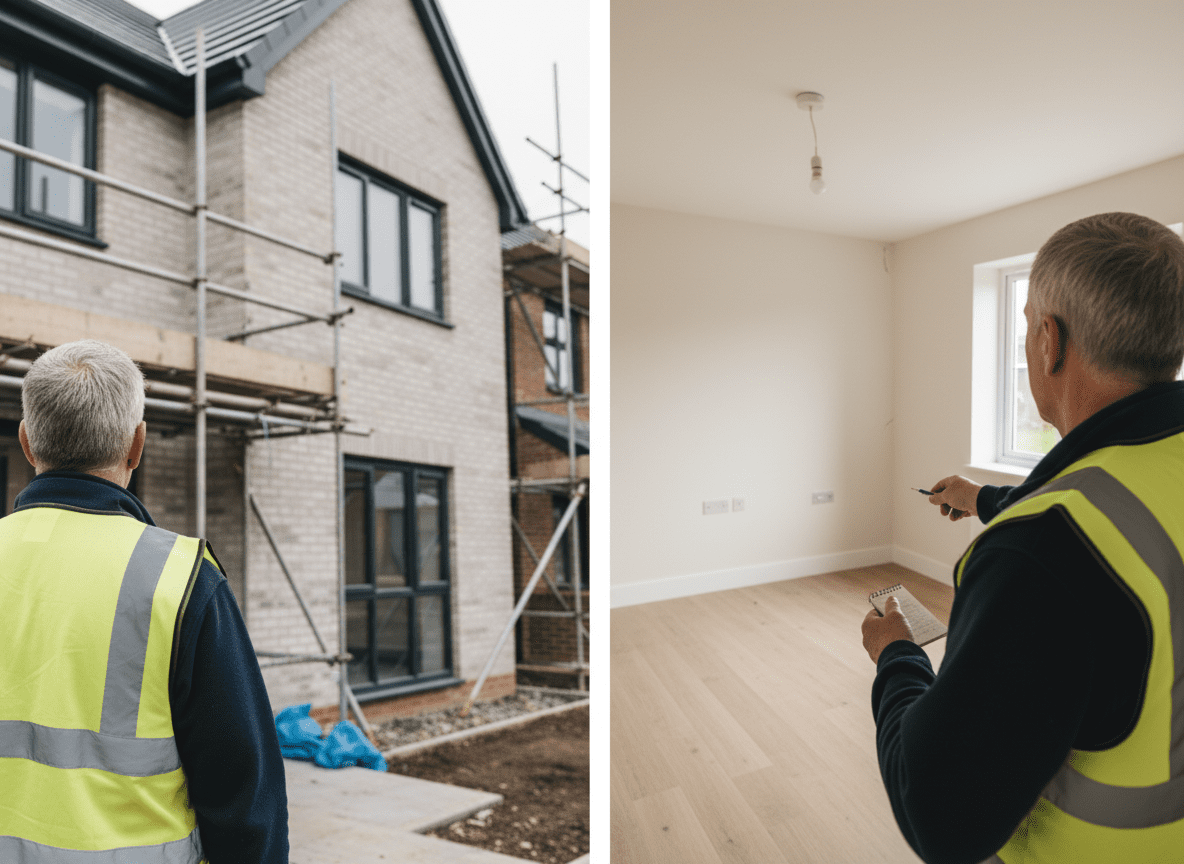
Book a specialist damp survey or incorporate it into a RICS Level 2 Home Survey or Level 3 Building Survey. For new builds, add a Pre-Completion Inspection to catch defects before handover.
DIY Prevention Tips
You cant fix rising damp yourself, but you can minimise condensation and penetrating damp:
- Keep trickle vents open, especially in winter.
- Wipe down window frames and sills each morning.
- Dry washing outside or use a vented tumble dryer.
- Inspect gutters twice a year and clear debris.
- Maintain a low-level background heat when youre away.
Next Steps
Damp and mould threaten both property value and health. Early detection and professional solutions safeguard your home. Contact us today to schedule your damp survey:
Beat damp before it spreadsbook your survey and protect your home today.



0 Comments