

Choosing the right survey matters more in 2025 than it did even a few years ago. House prices are higher, build quality varies widely, and renovation projects are more common. You want a clear picture of what you’re buying before you commit. A survey helps you make sense of condition, hidden risks, and long-term maintenance. This guide explains how to choose the right survey for your next home purchase, with a step-by-step framework and examples for different property types.
How to Choose the Right Survey for Your Next Home Purchase
Homebuyers ask “how to choose the right survey” because the choice is not always obvious. You may already know the names: Level 2, Level 3, snagging, pre-completion checks, and valuations. Many buyers also assume newer homes need less inspection or that a mortgage valuation offers enough detail. In reality, the right survey depends on the age, condition, construction type and history of the property.
If you want a quick overview before reading further, you can explore our central guide on choosing the right survey. The sections below give a deeper, practical breakdown for 2025 buyers.
The Main Survey Options in 2025
The four main survey routes in 2025 each cover a different purpose. The right choice depends on the home you’re buying and the level of risk you want to avoid.
Valuation (Not a Condition Survey)
A valuation checks the lender’s security only. It confirms the home is worth the amount being borrowed. It does not assess condition, structural risk or defects. Many buyers confuse a valuation with a survey. They are not the same.
Level 2 Survey
A Level 2 survey gives a clear review of the home’s visible condition. It highlights urgent issues, risks and maintenance needs using the RICS traffic-light system. This level suits most modern homes, flats, and properties with no major alterations. For more detail on what is included, see our service page for the Level 2 Homebuyer Survey.
Level 3 Survey
A Level 3 survey offers the most detailed review, explaining defects, their likely cause, and the best next steps. It suits older homes, extended properties, unusual construction and anything with potential structural concern. More detail is available on our page for the Level 3 Building Survey.
Snagging Survey (New Builds)
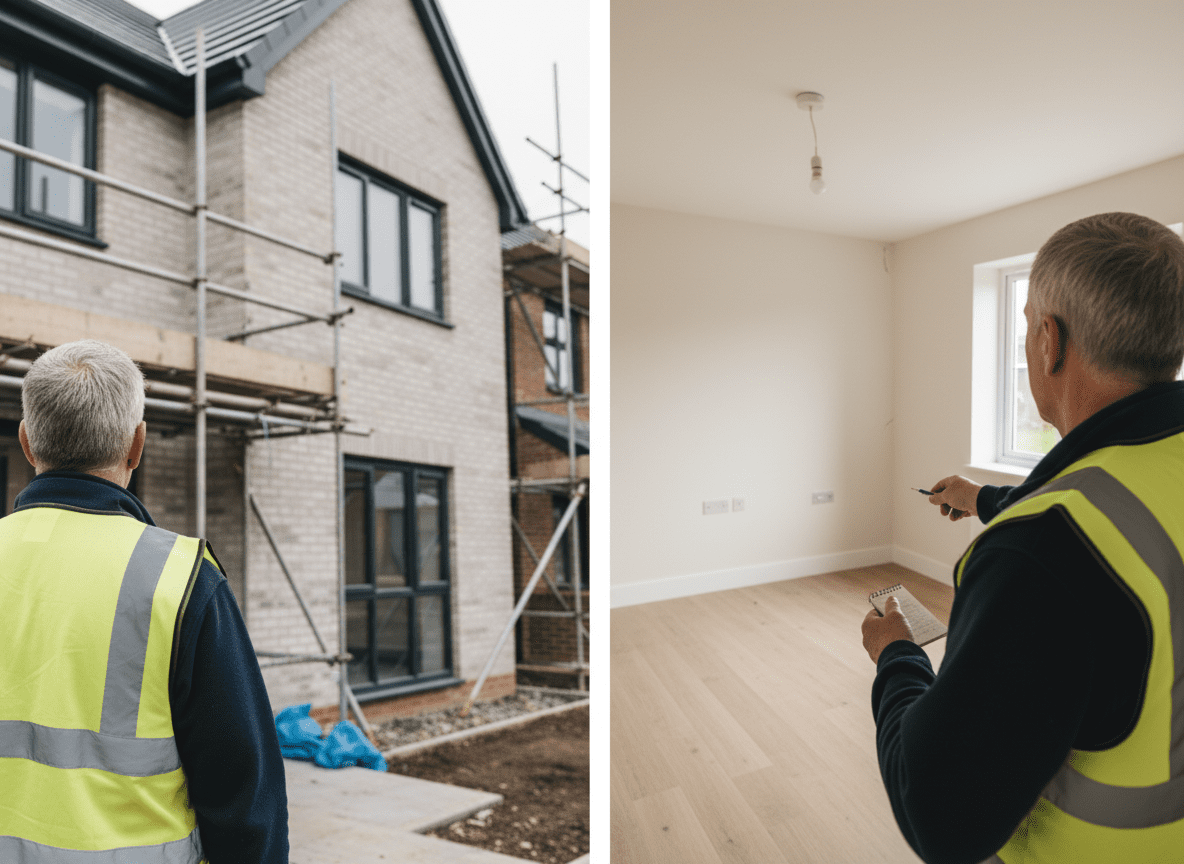
Snagging inspections focus on workmanship, finishing quality and installation issues in new build homes. These can be carried out before completion or after you move in. Snagging does not replace a full survey for older homes, but it is essential for new builds. You can arrange these through our pre-completion inspections and post-completion survey services.
Key Factors That Influence Which Survey You Need
The sections below outline the main elements that determine the right survey for your situation.
1. Age of the Property
Newer properties tend to suit Level 2 surveys or snagging. Older homes often need Level 3 due to their materials, construction and repair history.
2. Construction Type
Stone cottages, timber-frame buildings, system-built homes and specialist materials require deeper assessment. Modern brick-and-tile homes are more predictable.
3. Visible Condition
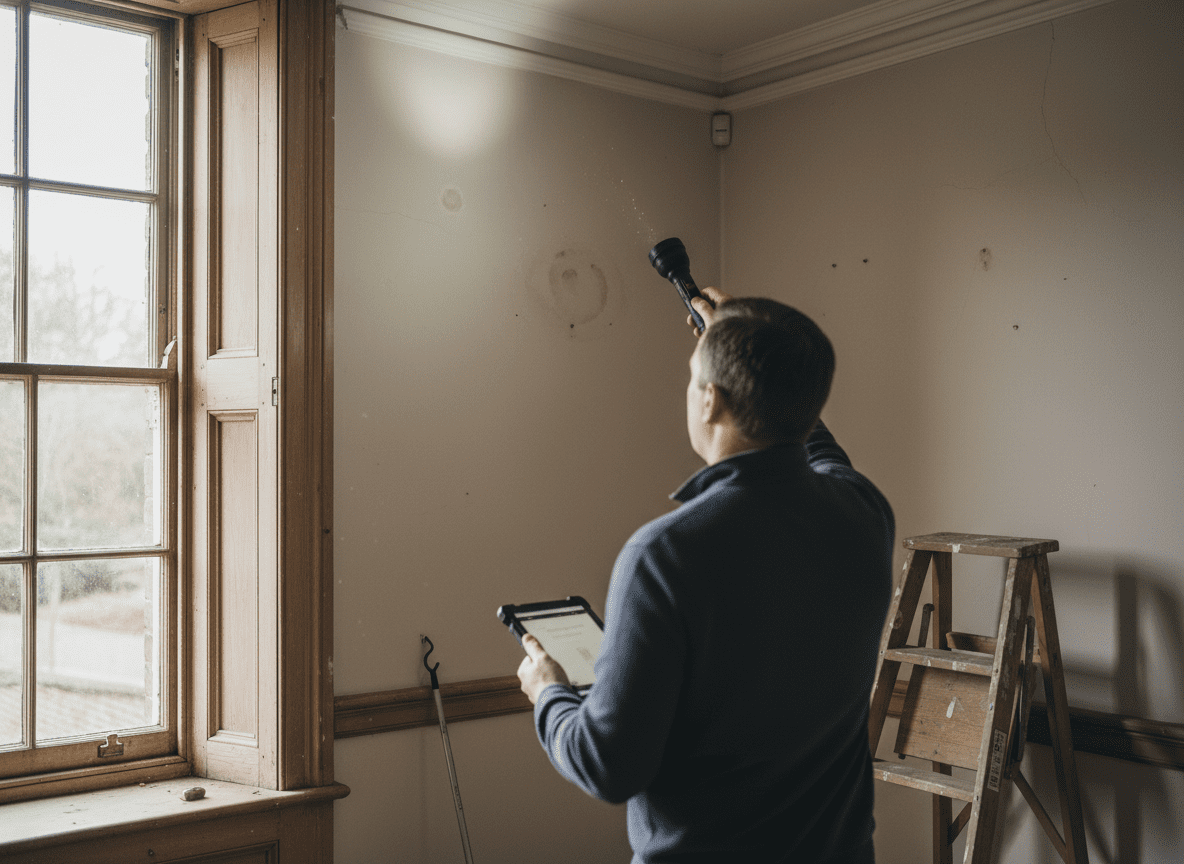
Cracking, damp, uneven floors, sagging roofs or questionable alterations point towards Level 3.
4. Renovation or Alteration History
Any property with removed walls, added extensions, loft conversions or reconfiguration requires more detailed review.
5. Your Risk Tolerance and Budget
If the property stretches your budget, it makes sense to reduce risk by choosing a deeper survey. Saving money upfront may create hidden costs later.
6. Property Type and Location
Different towns have different housing stock. For example, our surveys in Peterborough and surrounding areas often include 20th-century family homes and newer estates. By contrast, surveys in Oakham involve more stone cottages, period buildings and rural homes that typically suit Level 3.
Decision Framework: Matching the Survey to the Property
The lists below provide a practical way to decide which survey level works for you.
If the Property Is New Build (0–1 Years Old)
- Choose a snagging survey before completion.
- Use a post-completion snagging check if access was restricted.
- Level 2 is useful if the property is no longer under builder review.
If the Property Is 1–20 Years Old
- Level 2 suits most modern homes.
- Snagging still helps if the home is recently built but occupied.
- Choose Level 3 if cracks, alterations or damp are visible.
If the Property Is 20–70 Years Old
- Level 2 works for homes in good condition.
- Level 3 if major renovation or extensions were completed.
- Level 3 if layout changes were made without clear paperwork.
If the Property Is Over 70 Years Old
- Level 3 is usually the safest choice.
- Level 2 may be enough only if the home is simple and well-maintained.
If the Property Has Been Heavily Renovated
- Level 3 offers a detailed review of structural changes.
- Level 2 works when renovations were cosmetic only.
- Snagging can supplement if work was recent and builder-led.
If You Want Minimal Risk
- Choose Level 3 for older or renovated homes.
- Choose Level 2 for modern, simpler homes.
- Choose snagging for new builds.
Survey Recommendations for Common Property Scenarios
The table below maps typical homes to the recommended survey level. This gives a clear starting point if you’re unsure where your property sits.
| Property Type | Key Features | Recommended Survey |
|---|---|---|
| New build flat | Modern layout, predictable construction | Snagging (pre- or post-completion) |
| New build house | Brand-new, recent handover | Snagging inspection |
| 1990s semi-detached | Standard construction, moderate age | Level 2 survey |
| 1930s semi | Older materials, lifetime alterations | Level 2 or Level 3 depending on condition |
| Victorian terrace | Original features, possible movement or damp | Level 3 survey |
| Stone cottage (pre-1900) | Mixed materials, complex structure | Level 3 survey |
| Listed building | Historic structure, sensitive materials | Level 3 survey |
| Ex-local authority house | Robust build, varied past maintenance | Level 2 or Level 3 depending on condition |
| Converted barn or stable | Complex materials and construction | Level 3 survey |
These examples represent common situations we encounter across towns such as Peterborough and Oakham, where age and construction vary significantly from home to home.
When Not to Rely on a Mortgage Valuation
The valuation is not a survey and should not guide your decision on condition. It exists solely to protect the lender. It will not check damp, movement, leaks, plasterwork, services, insulation or alterations.
If you’re buying an older home or anything with visible defects, choose at least a Level 2 survey. If you want to reduce long-term risk, a Level 3 survey gives much deeper clarity.
FAQ: Choosing the Right Survey
1. How do I know which survey I need?
Match the survey to the age, condition and complexity of the home. New builds need snagging. Older homes usually suit Level 3. Modern homes often fit Level 2.
2. Is a Level 3 survey always needed for older homes?
Usually yes. Older buildings contain elements that need deeper review.
3. Do new builds need a full survey?
They need snagging checks rather than traditional surveys. These catch workmanship issues before or after completion.
4. Do renovated homes need more detail?
If structural or layout changes were made, Level 3 is safer.
5. Is snagging the same as a survey?
No. Snagging checks finish quality. Level 2 and Level 3 surveys check condition and risk.
6. Do flats need Level 3 surveys?
Usually not unless older or converted. Level 2 suits most modern flats.
7. Can a survey help with negotiation?
Yes. Findings can support price discussions, particularly where repairs are needed.
8. Does every homebuyer need a survey?
It’s strongly recommended. A survey reduces risk, offers clarity and helps prevent costly surprises.
9. What if the seller says the home was recently checked?
You should still commission your own independent survey.
10. What if I still can’t decide?
A quick conversation with a surveyor helps you match the survey to your property.
Get Advice on the Right Survey for Your Next Home
If you are deciding between snagging, Level 2 or Level 3, we can help you match the right option to your property. Explore the full overview at choosing the right survey or read individual service pages for specific levels.
For new builds, choose from pre-completion inspections and post-completion surveys. For standard homes, start with our Level 2 or Level 3 survey pages.
Share the listing link or a few details and we can advise the best route. Clear guidance now helps you move forward with confidence and full understanding of the property’s condition.



0 Comments