

Level 2 vs Level 3 Survey: Which Do You Need?
When you’re buying a home, one of the first practical decisions is which type of survey to book. Level 2 or Level 3? Both are RICS-standard home surveys — but they’re designed for different types of property, and they go into different levels of depth.
Choosing the wrong one can mean paying for more than you need, or — more importantly — not getting enough information about the property you’re about to commit to buying.
This guide explains exactly what each survey covers, who each one is designed for, and how to make the right call for your property.
Quick answer: A Level 2 survey suits modern homes in reasonable condition — typically built post-1945. A Level 3 survey is better for older properties, homes that have been significantly altered, or any property where you want a more detailed structural assessment. If in doubt, a Level 3 provides more information and is rarely the wrong choice.
The Core Difference at a Glance
Both survey types are carried out by RICS-qualified surveyors and both produce a written report. The difference is in depth and scope:
- Level 2 focuses on visible defects and condition — it tells you what problems exist and how urgent they are
- Level 3 adds structural analysis — it tells you what problems exist, what likely caused them, and what the repair options are
Think of a Level 2 survey as a thorough health check, and a Level 3 as a diagnostic assessment. One identifies the symptoms; the other explains them.
What Is a Level 2 Homebuyer Survey?
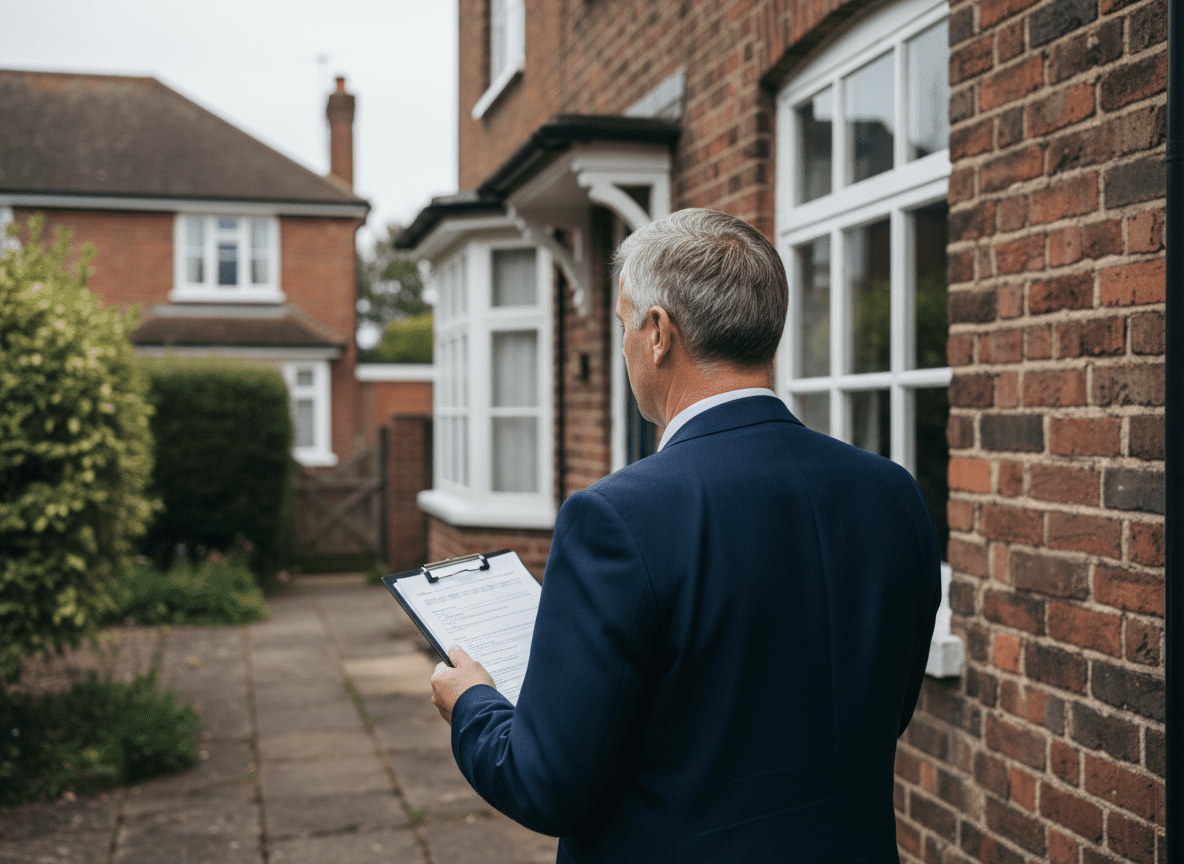
A RICS Level 2 survey is the most commonly used residential survey in the UK. It’s designed for homes that are in reasonable condition and built using conventional construction methods — typically post-1945 properties that haven’t been significantly altered.
What a Level 2 Survey Covers
- Structural condition of visible elements: roof, walls, floors, windows, and doors
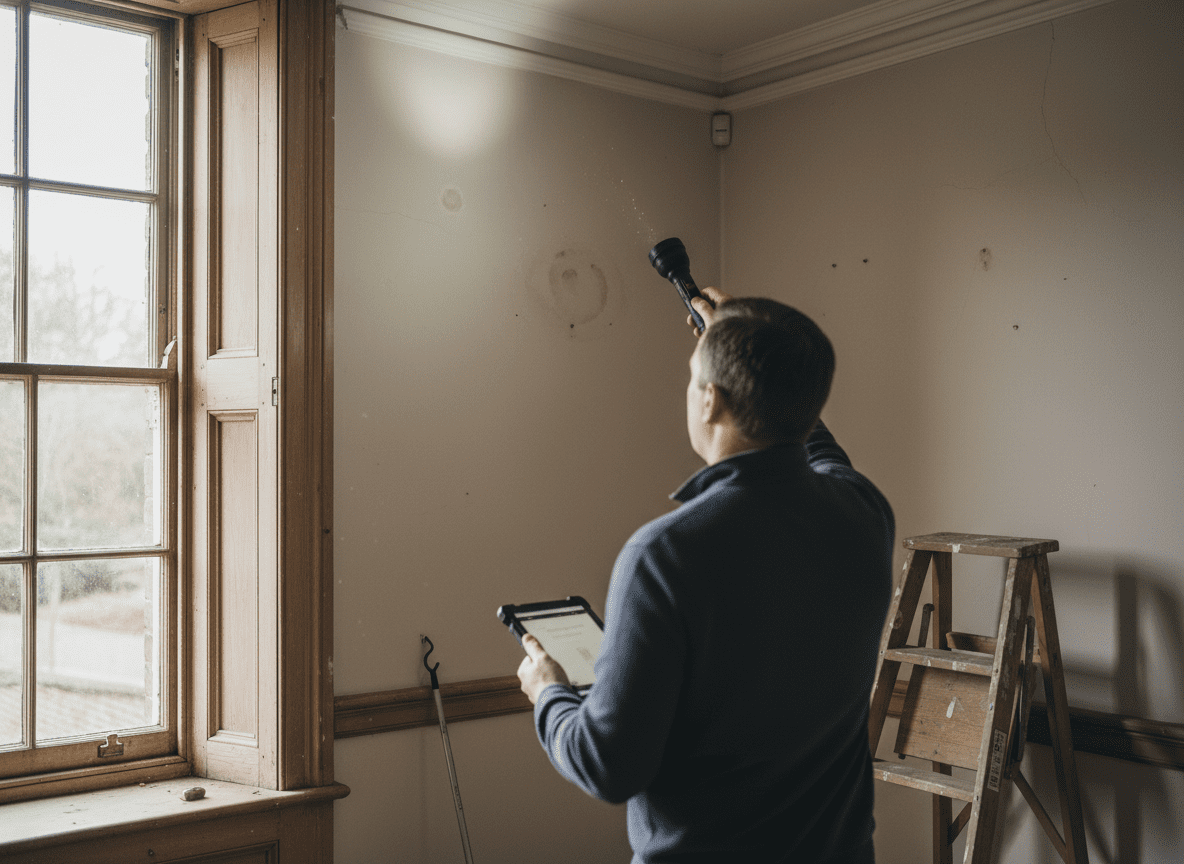
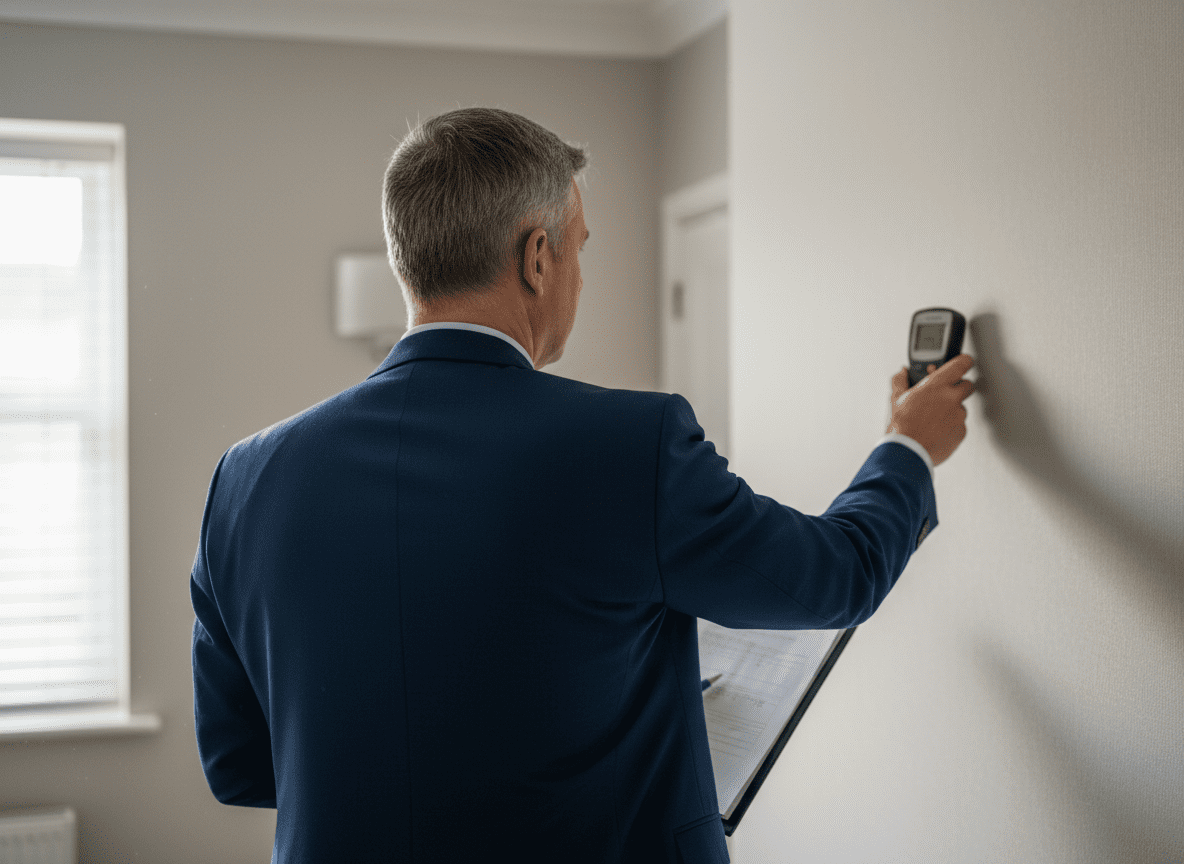
- Damp assessment using a moisture meter
- Roof void (loft) inspection where accessible
- Visual inspection of services: heating, hot water, electrics, plumbing
- External condition: grounds, drainage, outbuildings
- Identification of urgent repairs and significant defects
What the Level 2 Report Includes
The report uses a three-tier condition rating system (1 = OK, 2 = monitor or non-urgent repair needed, 3 = urgent action required). Each section of the property receives a rating with a plain-English explanation of what was found.
It’s comprehensive for a standard residential property. A typical Level 2 report runs to 15–25 pages with photographs of significant findings.
What a Level 2 Survey Does NOT Include
- Detailed structural analysis of the cause of any defects found
- Repair cost estimates in depth (general guidance only)
- Analysis of the property’s construction method in detail
- Invasive inspection: the surveyor will not lift floors, open walls, or move furniture
For further detail on what a Level 2 survey covers, see our Level 2 homebuyer survey page.
What Is a Level 3 Building Survey?
A RICS Level 3 building survey — sometimes still called a full structural survey or building survey — is the most detailed residential survey available. It goes beyond condition-rating to analyse defects, explain their likely causes, and outline repair options.
It is designed for properties where greater scrutiny is warranted: older buildings, homes with structural concerns, or properties that have been significantly extended or altered.
What a Level 3 Survey Covers
- Everything in a Level 2 survey, in greater depth
- Detailed analysis of any structural movement or cracking: type, likely cause, and severity
- Construction method assessment: how the building was originally built and whether it’s performing as intended
- Condition of extensions, loft conversions, and alterations with analysis of structural adequacy
- More detailed inspection of roof structure including visible timbers
- Foundations and ground conditions assessment
- Repair options and cost guidance for significant defects
- Recommendations for further specialist investigations where warranted
What the Level 3 Report Includes
A Level 3 report is typically 30–50 pages. It uses the same condition rating system as Level 2, but includes more detailed written analysis for each finding — explaining what the surveyor observed, what they believe caused it, and what should happen next.
For any significant structural findings, the report will typically include repair options ranging from monitoring through to remediation — helping you understand the full range of possible responses before you decide how to proceed.
See our guide on RICS Level 3 building surveys for full detail on what’s included.
Level 2 vs Level 3: Full Comparison
| Feature | Level 2 Homebuyer Survey | Level 3 Building Survey |
|---|---|---|
| Designed for | Modern homes in reasonable condition | Older, altered, or complex properties |
| Structural analysis | Identifies defects; limited cause analysis | Full analysis: cause, severity, repair options |
| Construction assessment | Standard only | Includes non-standard and complex builds |
| Extensions and alterations | Condition noted | Structural adequacy assessed in detail |
| Roof structure detail | Accessible loft inspected | Detailed inspection of visible roof timbers |
| Repair options provided | General guidance | Detailed options with cost guidance |
| On-site inspection time | 2–3 hours | 4–8 hours |
| Report length | 15–25 pages | 30–50 pages |
| Best for negotiation leverage | Good for straightforward issues | Stronger — detailed repair costs and causes |
Which Survey Do You Need?
Choose Level 2 If:
- The property was built after 1945 (and ideally post-1960s)
- It’s a conventional construction: standard brick cavity walls, slate or tile roof, concrete floors
- It appears in reasonable condition from your viewing — no obvious cracks, damp marks, or alterations
- It’s a modern flat, terrace, semi, or detached house with no extensions or conversions
- You want a thorough condition report and peace of mind without the depth of a full structural survey
Choose Level 3 If:
- The property was built before 1945, or particularly before 1900 (Victorian, Edwardian)
- It has been significantly extended, had walls removed, or had a loft conversion
- You noticed cracks, damp marks, or structural concerns during your viewing
- The property uses non-standard construction: stone, solid brick, timber frame, or concrete panel
- It’s a listed building or a property in a conservation area
- The property is large, complex, or has multiple outbuildings
- You want the most complete picture possible before committing to purchase
The general rule: When in doubt, upgrade to Level 3. The additional cost is modest relative to the purchase price — and the additional information can be invaluable, particularly for older properties where hidden problems are more common. It is much better to know before exchange than after completion.
Decision Guide by Property Type
| Property Type | Recommended Survey | Reason |
|---|---|---|
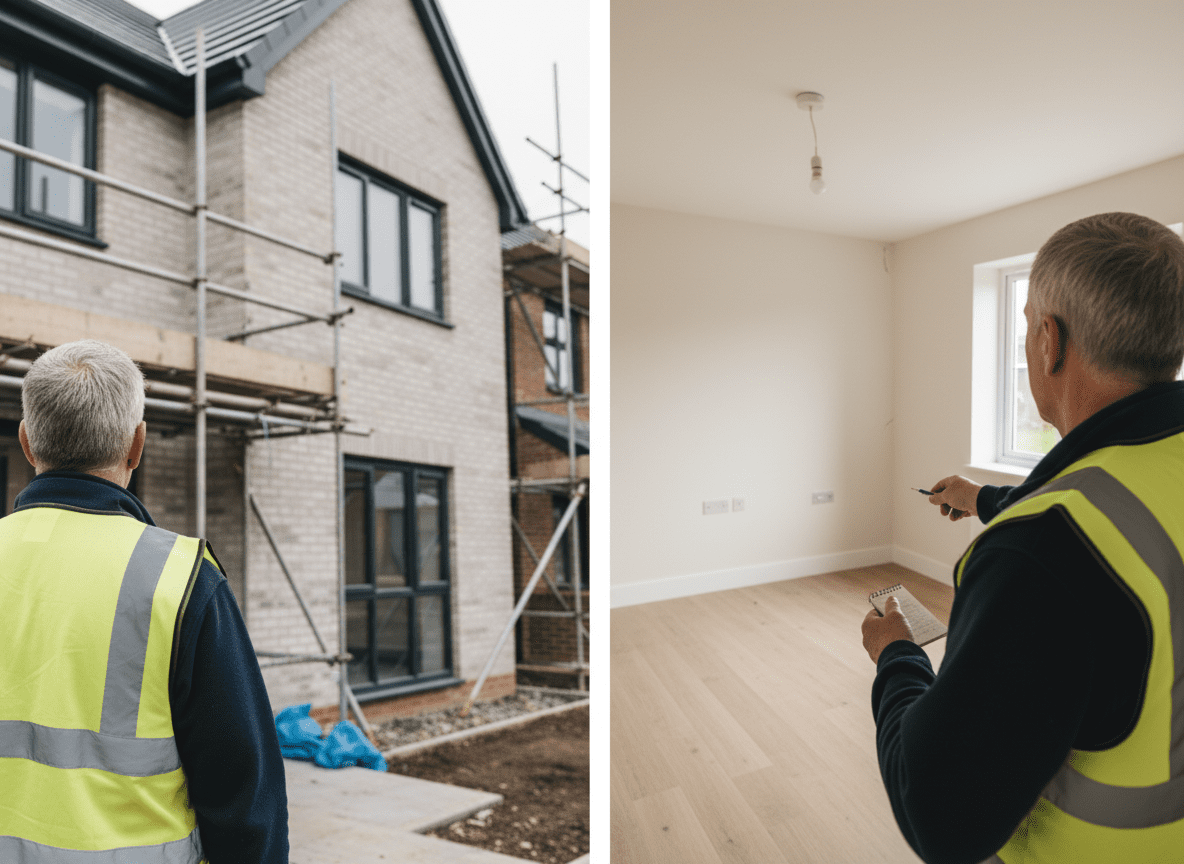
| Modern new build (post-2000) | Pre-completion inspection or snagging survey | New builds need snag checks, not condition surveys |
| Post-1960s house, no alterations, good condition | Level 2 | Standard modern construction — Level 2 is appropriate |
| Post-1960s house with extension or loft conversion | Level 2 or Level 3 | Extension quality and structural junctions warrant consideration |
| 1920s–1960s semi or terrace | Level 2 or Level 3 | Depends on condition — Level 3 recommended if any concerns at viewing |
| Victorian or Edwardian terrace (pre-1914) | Level 3 | Solid wall construction, older drainage, typical structural movement — Level 3 more appropriate |
| Period detached property or farmhouse | Level 3 | Complex construction, outbuildings, potential hidden defects |
| Property with visible cracks or damp at viewing | Level 3 | Structural analysis needed to understand cause and severity |
| Listed building | Level 3 | Specialist knowledge of historic construction required; repair complexity is higher |
| Flat (modern, purpose-built) | Level 2 | Standard construction — Level 2 appropriate; consider leaseholder responsibilities |
| Converted flat (e.g., in a Victorian terrace) | Level 3 | Older building fabric, conversion quality, shared structure |
What If I’m Still Not Sure?
If you’ve looked at the property and aren’t certain which survey is right, there are two practical options:
- Ask the surveyor before booking. A good surveyor can advise you based on the property type, age, and any concerns you raise. This is a normal part of the booking conversation.
- Default to Level 3. For older properties especially, the extra depth a Level 3 provides is rarely wasted. You’ll know more — and that knowledge helps at every stage of the purchase decision.
You can also browse our guide to choosing the right survey for more detail on how each survey type maps to different property situations.
Not sure which survey to book? Contact us to discuss your property. We can help you decide between Level 2 and Level 3 based on the type of home and any concerns you have from the viewing.
Frequently Asked Questions
Is a Level 3 survey always better than a Level 2?
Not necessarily “better” — more appropriate. For a modern house in good condition, a Level 2 will give you everything you need. For an older property or one with concerns, a Level 3 gives you the structural analysis to understand what you’re dealing with. The right survey is the one suited to the property.
Can I upgrade from Level 2 to Level 3 after booking?
Yes, typically before the inspection takes place. Contact your surveyor if your circumstances change or you discover more about the property after booking. It’s better to upgrade than to receive an insufficient report for the type of property.
My estate agent says a Level 2 is fine. Should I trust that?
Estate agents are not surveyors and have an interest in the sale completing smoothly. Their advice on survey type should not be taken as professional guidance. Make the decision based on the age, condition, and construction of the property — not the agent’s recommendation.
Does a Level 3 survey always cost more?
Typically yes, because it requires more time on-site and a more detailed report. The additional cost varies depending on the surveyor and the property. For an older or complex property, the extra investment often pays for itself many times over if significant issues are found.
What about the Level 1 survey?
A RICS Level 1 survey is a basic condition report with limited commentary. It’s designed for straightforward, recently built properties in good condition. Most buyers will benefit more from a Level 2 — the Level 1 provides less practical guidance for your purchase decision.
Can I get both a Level 2 and Level 3 survey on the same property?
No — you would commission one or the other. If after receiving a Level 2 report you want further structural investigation, the surveyor would typically recommend specific specialist reports (e.g., a structural engineer) rather than a second full survey.
How long will the report take after the inspection?
Typically 7–10 working days. A Level 3 report involves more detailed writing and may take slightly longer. If you have a time-sensitive exchange deadline, mention this when booking so the surveyor can prioritise your report turnaround.






0 Comments