

What Is a RICS Level 2 Survey?
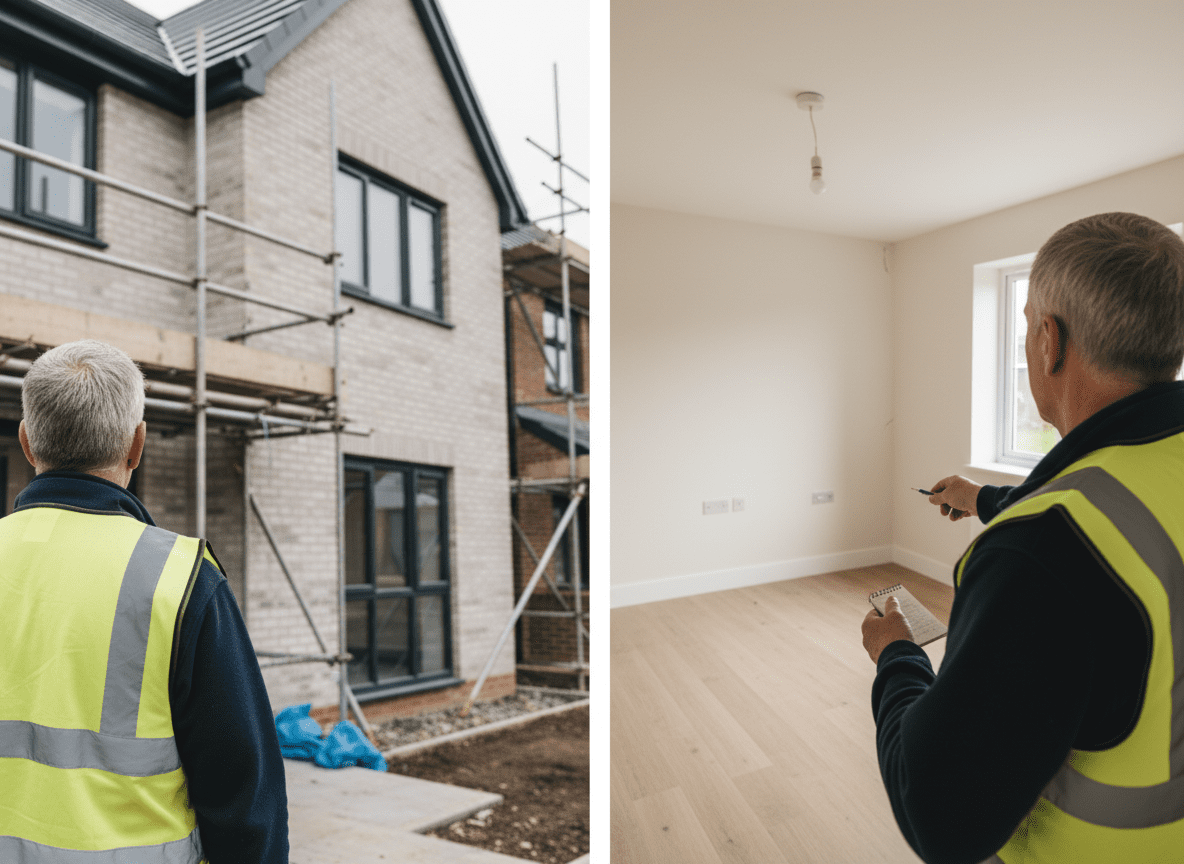
A RICS Level 2 Home Survey offers a clear overview of a property’s condition. It highlights major defects. It flags issues that may cost you down the line. It suits most standard homes built in the last century.
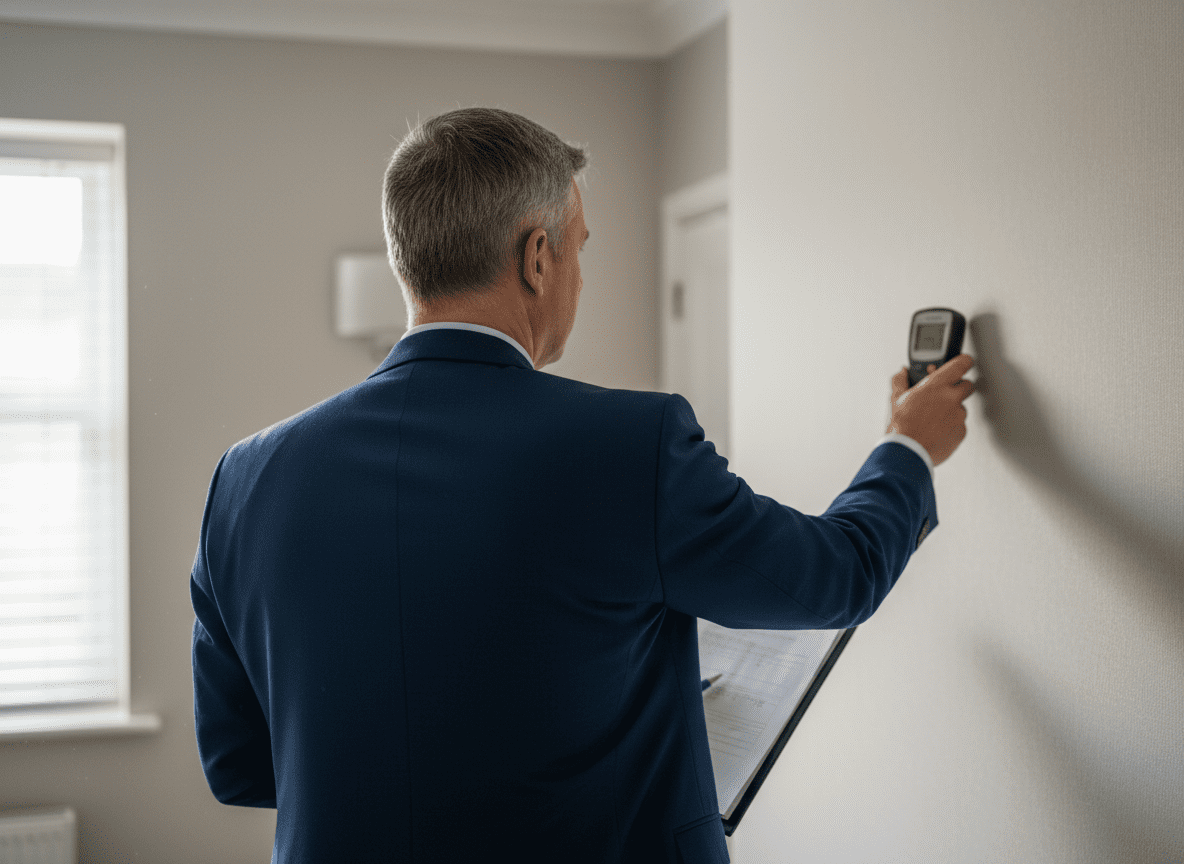
- Visual inspection: We check accessible areas of the property, from roof coverings to underfloor spaces.
- Main issues: We note things like damp, structural cracks, and roof defects.
- Action advice: We explain the urgency of each issue in clear, practical terms.
This survey comes with a traffic-light report. Green means “minor or no issues.” Amber means “monitor or consider repair.” Red means “urgent action needed.”
If you want to book a Level 2 survey, learn more about our RICS Level 2 Home Survey.
What Is a RICS Level 3 Survey?
A RICS Level 3 Building Survey dives deeper. It suits older, larger, or non-standard properties. If you see unusual architectural features or suspect hidden issues, Level 3 gives you peace of mind.
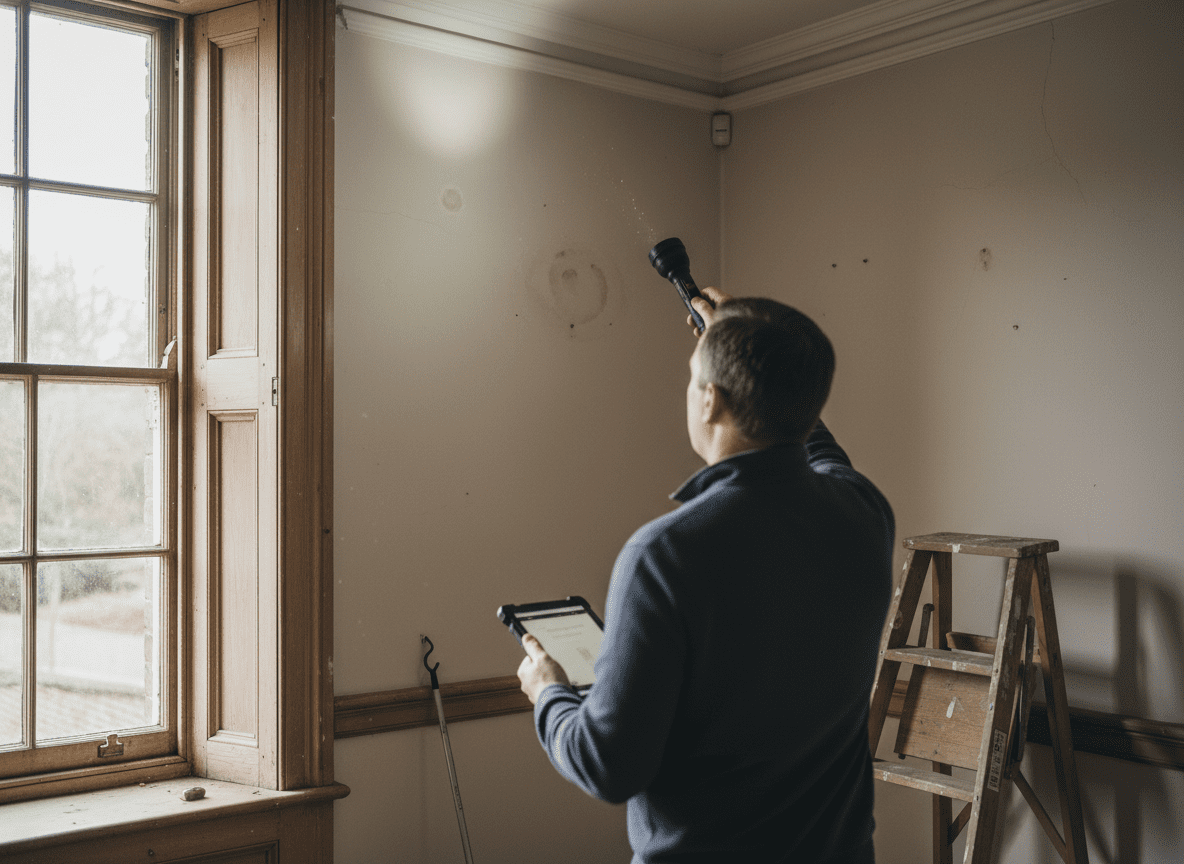
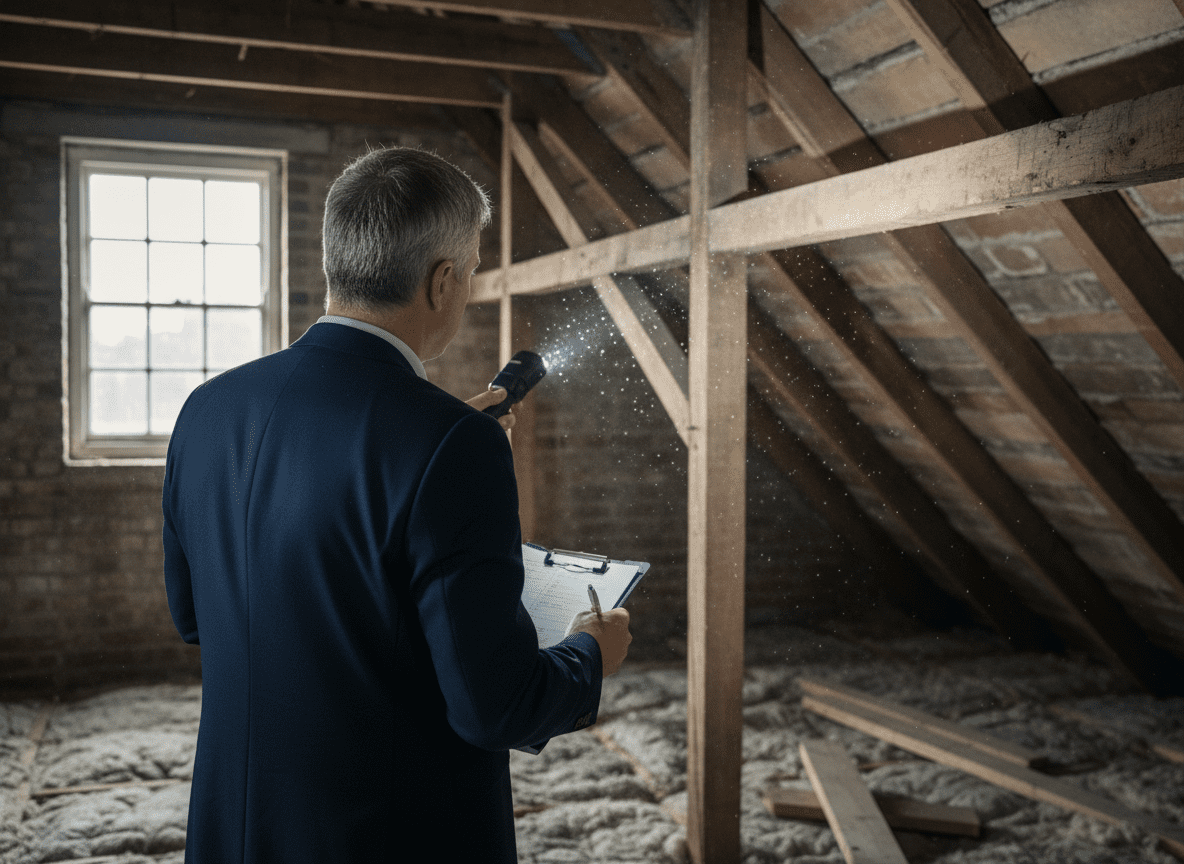
- Detailed inspection: We open up floors, inspect roof voids, and probe wall finishes where needed.
- Comprehensive report: You get a full written report with annotated floor plans and photos.
- Cost estimates: We provide rough repair or replacement costs, so you budget accurately.
Before you commit to a major investment, consider our RICS Level 3 Building Survey for a complete picture.
Key Differences at a Glance
| Feature | Level 2 | Level 3 |
|---|---|---|
| Depth of inspection | Visual, accessible areas | In-depth, invasive where needed |
| Report style | Traffic-light summary + narrative | Full narrative + annotated plans |
| Suitability | Standard, modern homes | Older, non-standard, high-value properties |
| Cost estimate | Not usually included | Included for major defects |
How to Choose the Right Survey
You don’t have to decide alone. Ask yourself:
- Is the property over 100 years old?
- Does it have unusual features (thatched roof, timber frame)?
- Do you need detailed cost estimates?
If you answered “yes” to any, Level 3 is your best bet. For most other homes, Level 2 offers solid protection without the extra cost.
Real Examples from Peterborough and Beyond
Last month, we surveyed a Victorian terrace in Peterborough. The client opted for Level 3. We uncovered timber decay in the loft and hidden cracks in a chimney breast. Armed with our cost estimates, they renegotiated the sale price by £4,000.
By contrast, a modern semi in the same area only needed a Level 2 survey. We spotted a minor roof leak and a damp patch, both easily fixed for under £500.
Next Steps
You’ve got the facts. Now you can choose confidently. If you need a straightforward check, schedule a Level 2 Home Survey. If you want everything laid bare, book a Level 3 Building Survey.
Our team covers Peterborough and a 30-mile radius. We tailor each report to your property. You’ll get clear advice and real cost guidance.
Ready to protect your investment? Contact us today for a survey that fits your needs.






0 Comments