

Is a Level 2 Survey Worth It? A Practical Buyer’s Guide
When you are buying a home, the survey is one of the few things standing between you and an expensive surprise after completion. Yet many buyers still skip it — or wonder whether the cost is justified, especially on a property that looks perfectly fine.
This guide sets out the honest case for getting a RICS Level 2 Homebuyer Survey, when it makes the most sense, and when a more detailed survey may be a better fit for the property you have in mind.
Short answer: For most buyers purchasing a modern, standard-construction home in broadly reasonable condition, a Level 2 survey is a sensible and proportionate choice. It gives you an independent professional assessment of the property’s condition before you commit, and it costs a fraction of what significant repairs typically run to.
What You Get From a Level 2 Survey
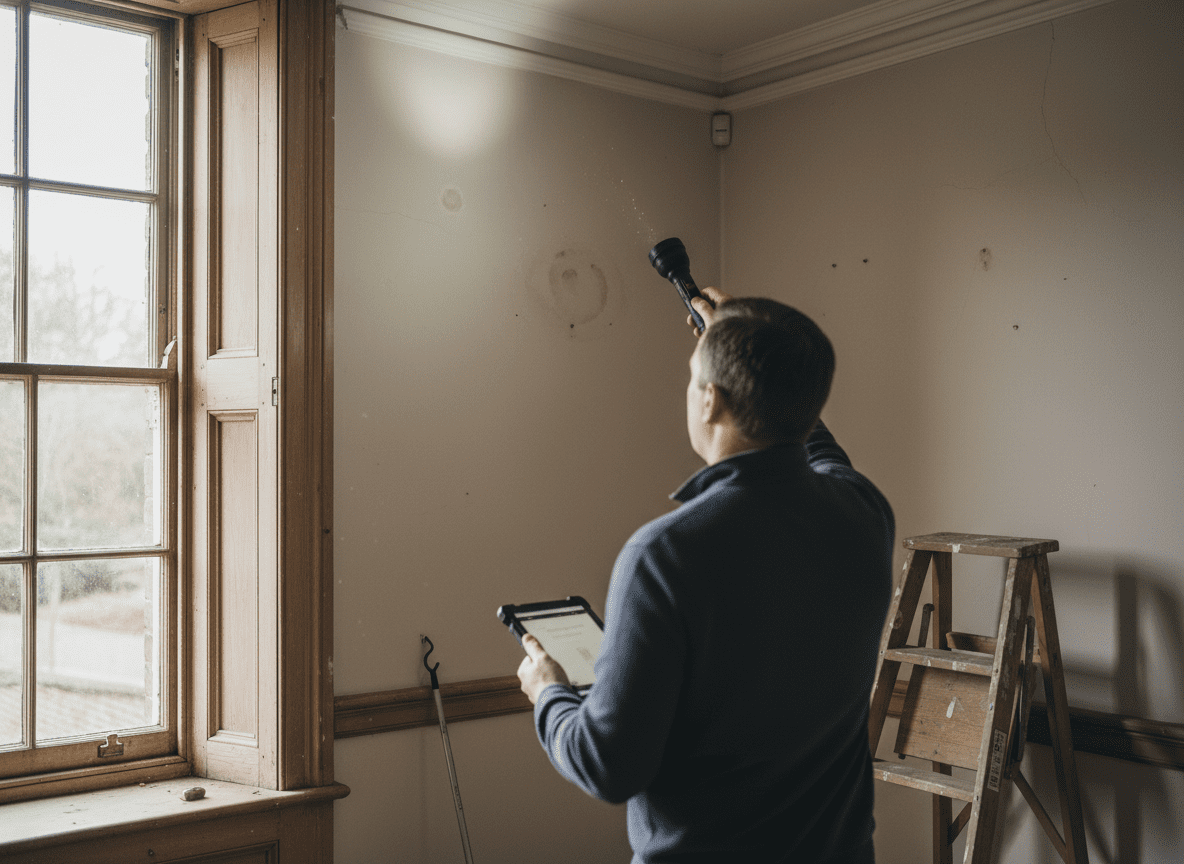
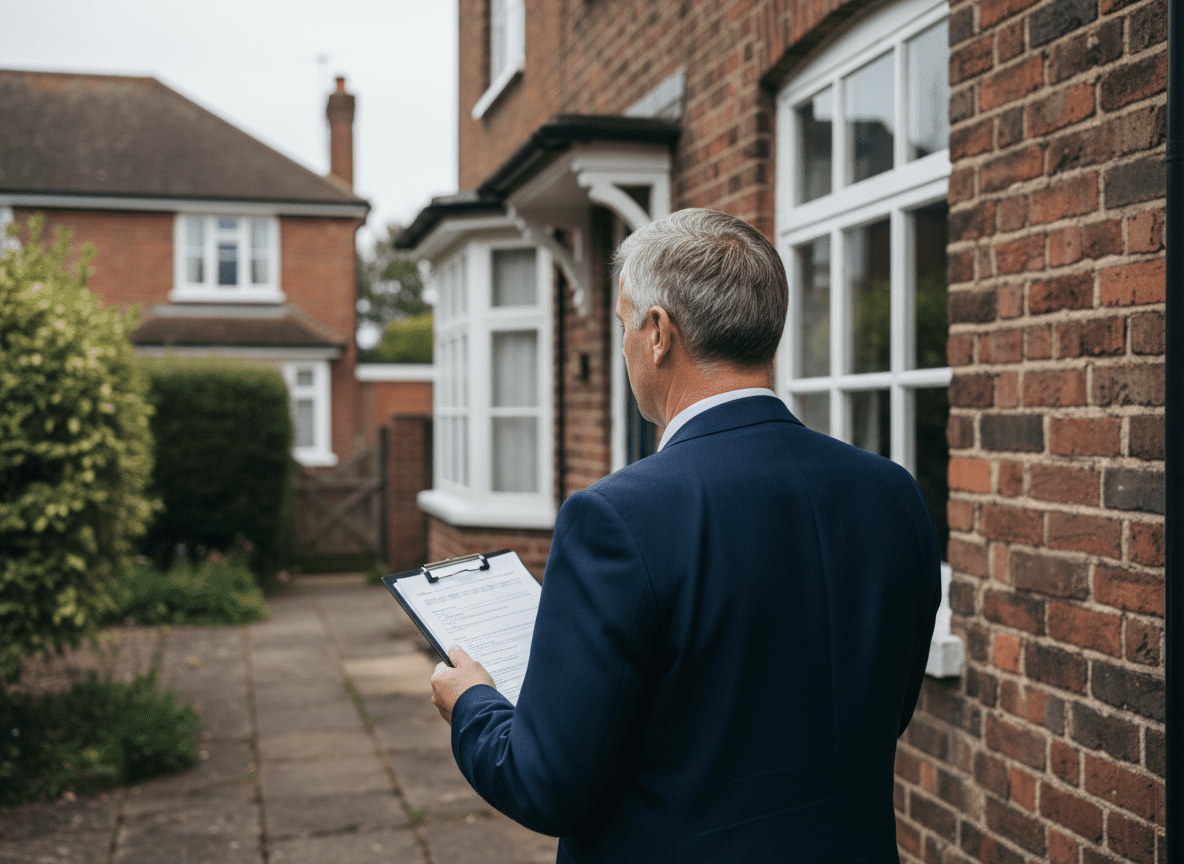
A Level 2 Homebuyer Survey is a thorough visual inspection of the property, carried out by a RICS-qualified surveyor. It covers all the main elements of the building — structure, roof, walls, floors, damp, electrics, heating, drainage, and more.
At the end of the inspection, you receive a written report that uses a traffic-light condition rating system:
- C1 — No repair needed. Routine maintenance only.
- C2 — Defects that require attention but are not urgent or serious.
- C3 — Defects that are serious, or require urgent repair. These need your immediate attention before exchange.
The report also flags any areas where further investigation is recommended — for example, by a structural engineer, a Gas Safe plumber, or a qualified electrician — before you proceed.
Crucially, the report is independent. It is prepared for you, not the seller, and the surveyor has no stake in whether the sale proceeds or not. That independence is much of what makes it valuable.
What the report does not do
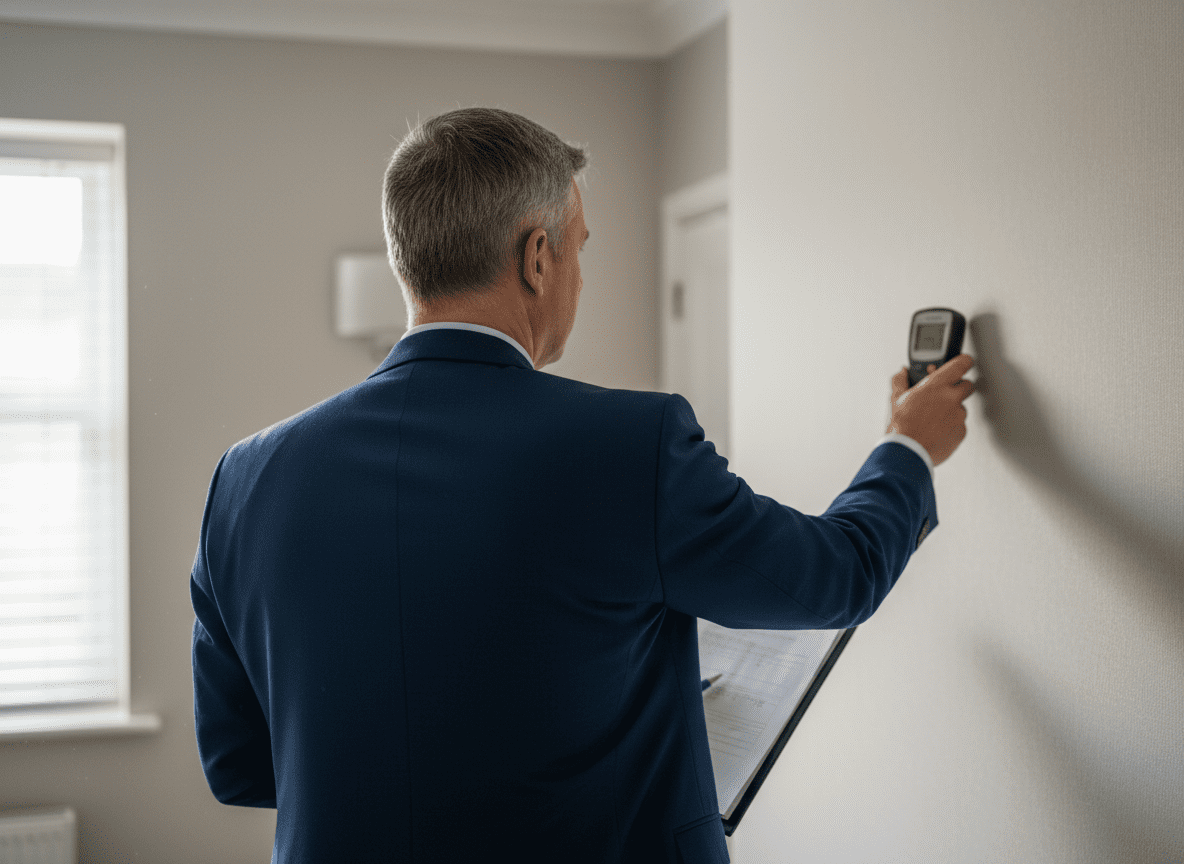
A Level 2 survey is a visual inspection — the surveyor does not open up walls, lift floorboards, or test hidden systems. Some issues are only revealed through more detailed investigation. The survey sets out what can be seen and what warrants further scrutiny, but it is not a guarantee that a property is defect-free.
When a Level 2 Survey Is the Right Choice
A Level 2 survey is generally appropriate when:
- The property was built using conventional modern construction methods (post-1930s as a general guide)
- The property appears to be in reasonable condition with no obvious structural concerns
- No major extensions, conversions, or structural alterations are visible
- You want an independent professional assessment without the added depth of a full structural survey
For the majority of standard houses and flats in the Peterborough area and surrounding towns — built in the post-war or more recent decades, in solid condition — a Level 2 survey gives buyers a clear and proportionate picture of the property’s condition.
Buyer tip: Even if a property looks well presented, a survey can identify issues behind the finish that are not visible to an untrained eye. Fresh decoration, new flooring, or a recently painted bathroom can sometimes conceal rather than correct underlying problems.
First-time buyers
For first-time buyers in particular, a Level 2 survey is often one of the most valuable things they can invest in. Without experience of buying property, it can be hard to know what to look for or what questions to ask. The survey report fills that gap — it gives you a structured, professional account of what you are buying before you are legally committed.
Buyers on a tight budget
If the survey cost feels like a stretch on top of everything else involved in buying a home, it helps to put it in context. Most home repairs that become serious run into thousands of pounds. A roof repair, structural investigation, or damp remediation can each exceed the cost of the survey many times over. The survey does not prevent those costs, but it gives you the information to either negotiate a reduction or factor repairs into your budget before you commit.
When You Might Need a Level 3 Survey Instead
A Level 2 survey is not always the best fit. For some properties, a more detailed RICS Level 3 Building Survey is more appropriate.
Consider upgrading to Level 3 if:
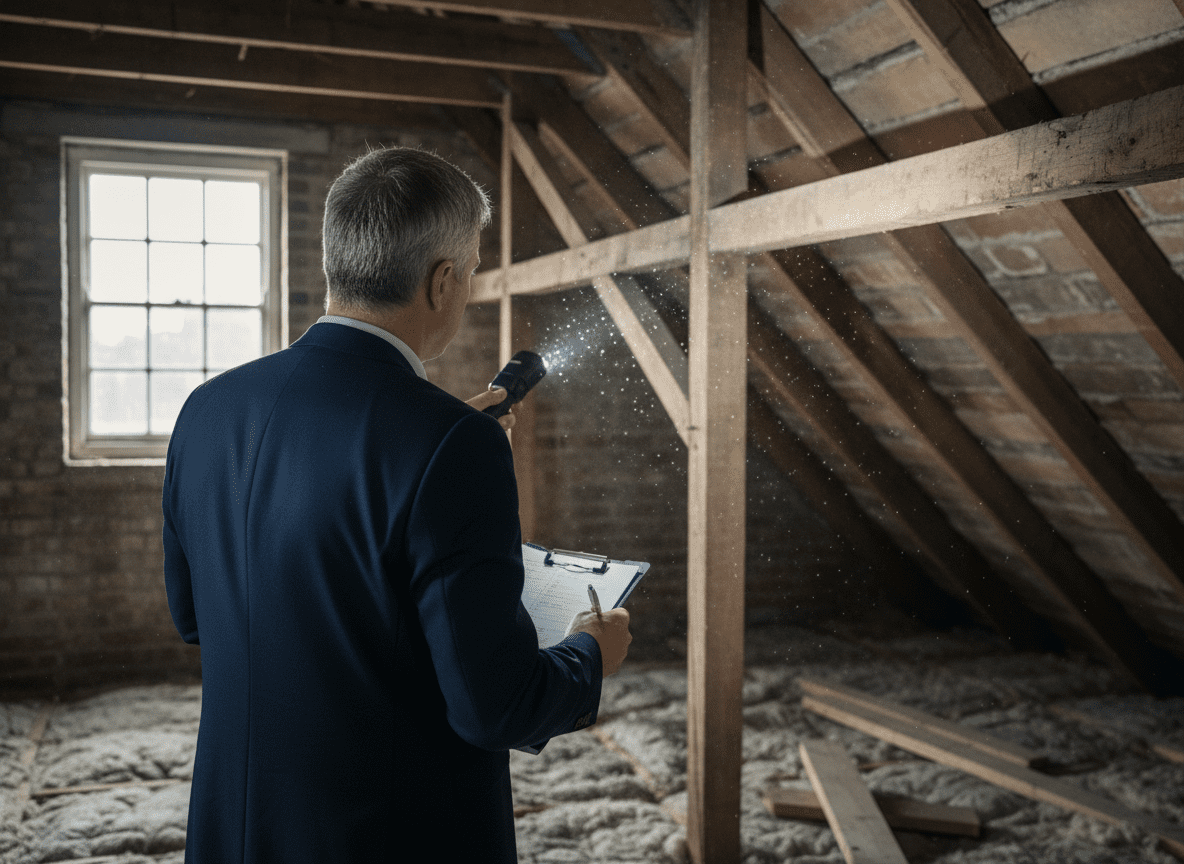
- The property is older — typically pre-1900, or of traditional construction using stone, solid brick, or lime mortar
- The property has been significantly altered — large extensions, loft conversions, structural changes
- You have already noticed structural cracks, significant damp, or roof movement
- The property has been empty or poorly maintained for an extended period
- You want a more comprehensive written assessment with greater detail on each element
A Level 3 Building Survey involves a more in-depth inspection and a more detailed report. It is particularly suited to older, non-standard, or complex properties where the risk profile is higher.
If you are unsure which is right for your property, it is worth getting in touch before you book. We can help you make an informed decision based on what you know about the property.
| Choose Level 2 if… | Consider Level 3 if… |
|---|---|
| Post-war or modern construction | Pre-1900 or traditional build |
| No obvious structural concerns | Visible cracks, movement, or significant damp |
| Standard layout, minimal alteration | Major extensions or structural changes |
| Broadly maintained condition | Neglected, empty, or at-risk condition |
| You want a clear, concise report | You want maximum detail and written explanation |
Using the Report to Negotiate
One of the practical benefits of a survey is that it gives you something concrete to negotiate with. If the report identifies issues — damp, roof wear, an ageing boiler, or defective pointing — you have a professional, written assessment to support a renegotiation of the purchase price or a request for repairs before completion.
Not every issue justifies renegotiation. Minor maintenance items flagged as C1 or C2 are part of normal property ownership. But C3-rated defects — those described as serious or urgent — are legitimate grounds to revisit the agreed price or ask the seller to address the issue before exchange.
The important thing is to raise concerns promptly. Your solicitor and estate agent can guide you through how to handle any issues the survey raises, but you need the report in hand to start that process. This is why getting the survey done early in your purchase — before you have invested heavily in legal costs — is generally the right approach.
Practical note: A survey report is not a guarantee of how much repairs will cost, and it is not a valuation. For repair costs, you would typically need a specialist quote. Your surveyor’s report identifies the issue and gives it a condition rating, which is the starting point for any further conversation.
The Case Against Skipping the Survey
Some buyers skip the survey to save money or to move quickly in a competitive market. That is a personal decision, but it is worth understanding what you are giving up.
The mortgage lender’s valuation — if your lender carries one out at all — is not a survey. It is an assessment of whether the property represents adequate security for the loan, and it is prepared for the lender’s benefit, not yours. It will not give you the condition information you need to make an informed decision as a buyer.
Without a survey, you are relying on your own inspection, the seller’s disclosures, and whatever is visible during viewings. Most buyers are not trained to spot damp behind fresh plaster, signs of movement in brickwork, or early-stage roof deterioration. A surveyor is.
There is also a legal dimension. Once you exchange contracts, the purchase proceeds largely on an as-is basis. Discovering a significant defect after exchange is a very different situation to discovering it before — at that point, your options are significantly more limited.
A Level 2 survey is not a perfect safety net — no survey is — but it is a meaningful and practical step toward buying with your eyes open.
Thinking about a Level 2 survey for a property in Peterborough or the surrounding area?
We carry out RICS Level 2 Homebuyer Surveys across Peterborough, Stamford, Huntingdon, Corby, Oakham, and surrounding towns. Contact us to discuss the property you’re buying and find out which survey is right for you.
Frequently Asked Questions
Is a Level 2 survey worth it for a new build?
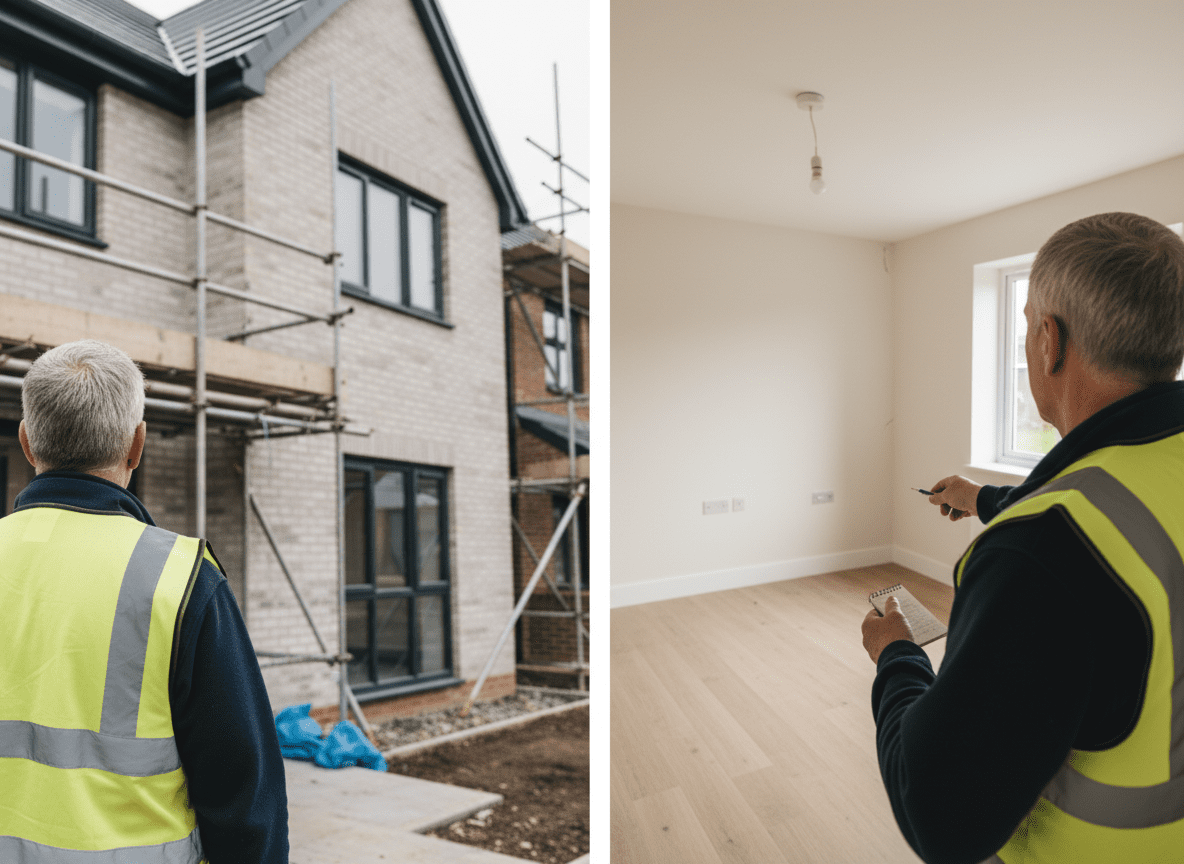
For a brand new property being purchased directly from a developer, a Level 2 survey is not the standard choice. Instead, a Pre-Completion Inspection or New Build Snagging Survey is usually more appropriate — these are designed specifically to identify defects in newly built homes before handover. See our Pre-Completion Inspections page for more information.
Can I use a Level 2 survey to negotiate the price?
Yes. If the survey identifies significant defects — particularly those rated C3 — you have a professional, independent basis to raise this with the seller and potentially renegotiate the agreed price or ask for repairs to be completed before exchange. The strength of that position depends on what the report finds and the local market, but having a written professional assessment is always more useful than a verbal concern raised after a viewing.
What happens if the Level 2 survey finds serious problems?
If the survey flags serious defects, you have options. You can renegotiate the price, ask the seller to carry out repairs, arrange specialist reports to understand the cost and scope of the issues, or withdraw from the purchase. The survey gives you information and time to make that decision — which is precisely why getting it done early in the transaction matters.
Is a Level 2 survey the same as a homebuyer report?
Yes — the RICS Level 2 Homebuyer Survey replaced the older RICS HomeBuyer Report format. The two terms are often used interchangeably, though the current RICS Level 2 standard is the most up-to-date version. Always confirm with your surveyor that they are following the current RICS Home Survey Standard.
Do I need a survey if the property looks fine on viewing?
Viewings give you a useful impression of the property, but they are not designed to identify defects. Fresh decoration, new flooring, and good presentation can conceal problems that only a trained eye — and a moisture meter — will pick up. A property looking fine on viewing is not the same as a property being in sound condition, and a survey is the most practical way to bridge that gap.
Related reading: Level 2 vs Level 3 Survey: Which Do You Need?.





0 Comments