

Preparing Your Home for a Buyer’s Survey: A Practical Guide for Sellers
When a buyer books a home survey, it is easy as a seller to feel like a passive observer. The surveyor arrives, does their work, and produces a report — and you have no say in what it finds.
That is largely true. But how well you prepare your home can make a real difference to how smoothly the survey goes and how straightforward the findings are to address. This guide explains what sellers can realistically do to help — and what they should not do.
The key principle: Preparing for a survey is not about hiding problems or making the property look better than it is. It is about ensuring the surveyor has full and unobstructed access to inspect everything properly — and that you have relevant documents to hand if questions arise.
Why Preparation Matters
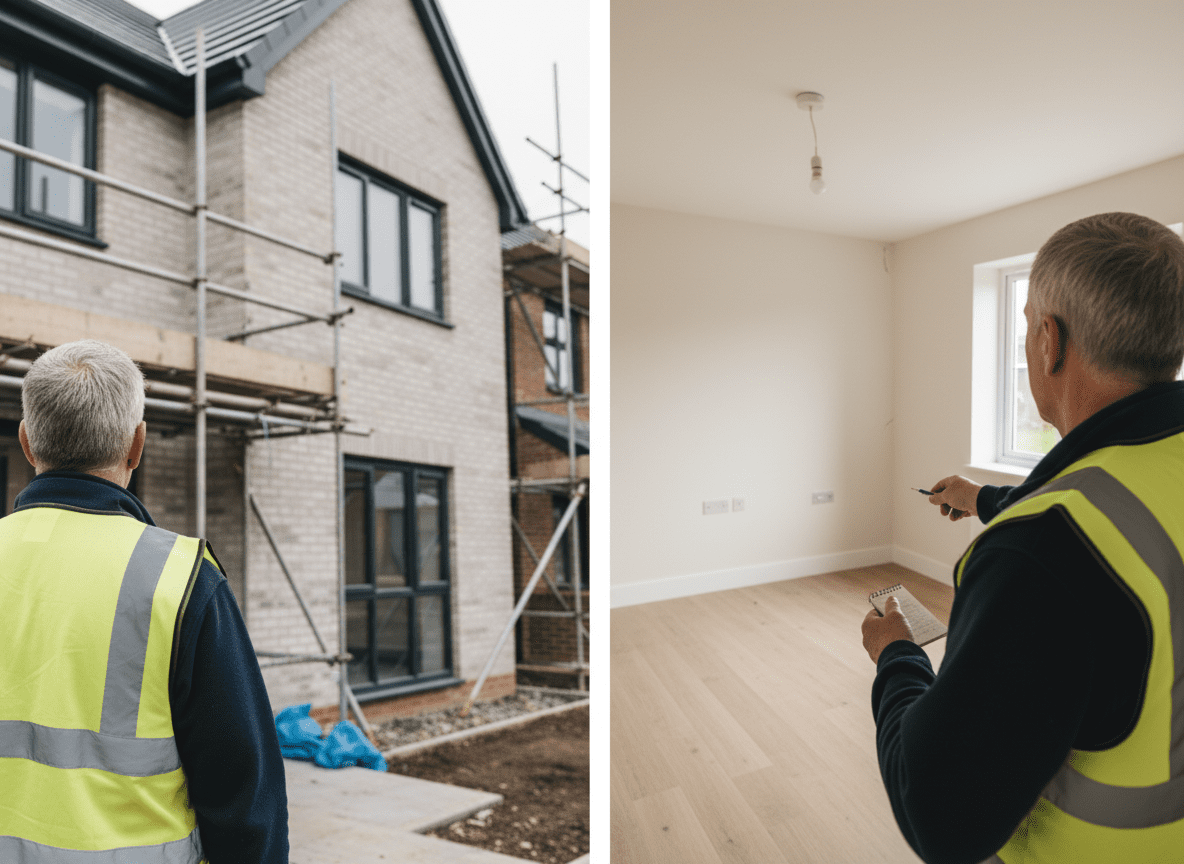
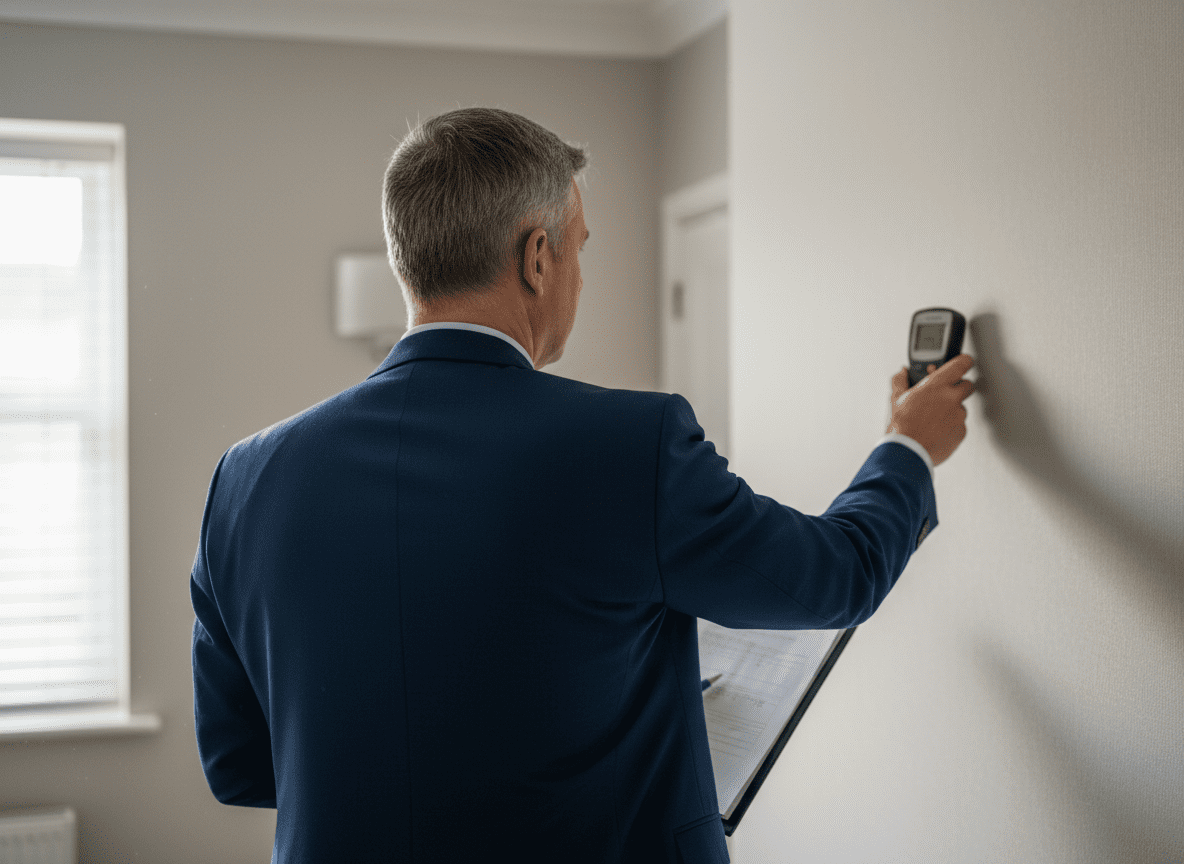
A RICS surveyor carries out a visual, non-invasive inspection. They can only assess what they can see and access. If areas are blocked, locked, or obscured, the surveyor will note them as uninspected — which may raise concerns in the buyer’s mind even if nothing is wrong.
Poor access can also lead to follow-up visits or requests for further investigation, which adds delay and uncertainty to a sale. Good preparation removes those obstacles.
It also signals good faith. A buyer who sees a property is well-maintained and openly accessible tends to feel more confident in proceeding. That confidence contributes to a smoother transaction overall.
Providing Full Access: The Most Important Thing You Can Do
Access is everything for a home survey. The surveyor needs to be able to reach all areas of the property safely. This is the single most important thing you can do as a seller.
Areas the surveyor needs to access
- Loft: The surveyor will typically enter the loft if it has a hatch and a means of access. Clear the hatch area and ensure any loft ladder is safe and accessible. Remove items blocking the hatch itself.
- Basement or cellar: If the property has a basement, ensure it is accessible and not locked.
- Garage and outbuildings: These are inspected as part of the property. Ensure keys are available and doors can be opened.
- Meters and consumer unit: Gas meter, electricity meter, and fuse box should be accessible. Do not block them with furniture or boxes.
- Boiler and hot water system: The surveyor will need to see the boiler and any visible pipework. Ensure the boiler cupboard or airing cupboard is accessible.
- Roof space: External roof inspection is done from ground level and from vantage points. The surveyor does not access the roof itself.
- External areas: Garden, side access, external walls, and drainage should all be accessible. Unlock side gates and ensure paths are clear.
- Under-floor areas: If there is a suspended floor with an access hatch, ensure it can be opened.
Keys and access arrangements
If you will not be at the property during the survey, ensure the estate agent has all necessary keys and knows which areas need access. Missing keys for garages, gates, or outbuildings are a common cause of incomplete inspections.
Key Areas to Clear and Check
You do not need to deep-clean your entire home. But some targeted preparation in specific areas will help the surveyor carry out a thorough inspection.
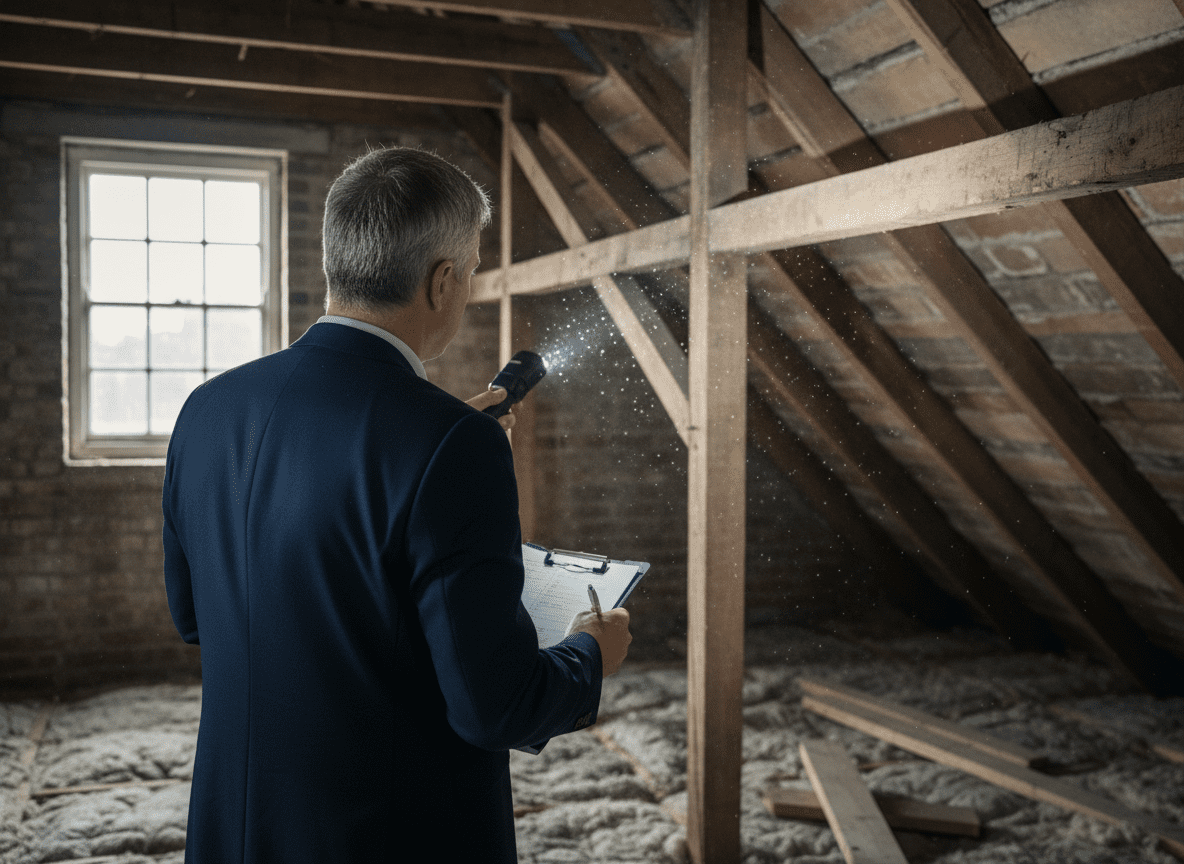
Loft
Clear a reasonable path from the hatch into the loft. The surveyor does not need the entire loft cleared, but they do need to be able to see the roof structure, rafters, felt, and any visible insulation. Heavy storage piled directly against the rafters may prevent proper inspection.
Kitchen and bathroom
Clear under-sink cupboards if possible. Surveyors often check for leaks and moisture in these areas, and a clear view helps. There is no need to empty the entire kitchen — just the spaces directly under the sink and around visible plumbing.
Windows
Ensure all windows can be opened and closed properly. If window locks are stiff or require keys, have those available. Surveyor notes on windows that could not be opened are common and often flag concern unnecessarily if it is simply a matter of stiff mechanisms rather than structural issues.
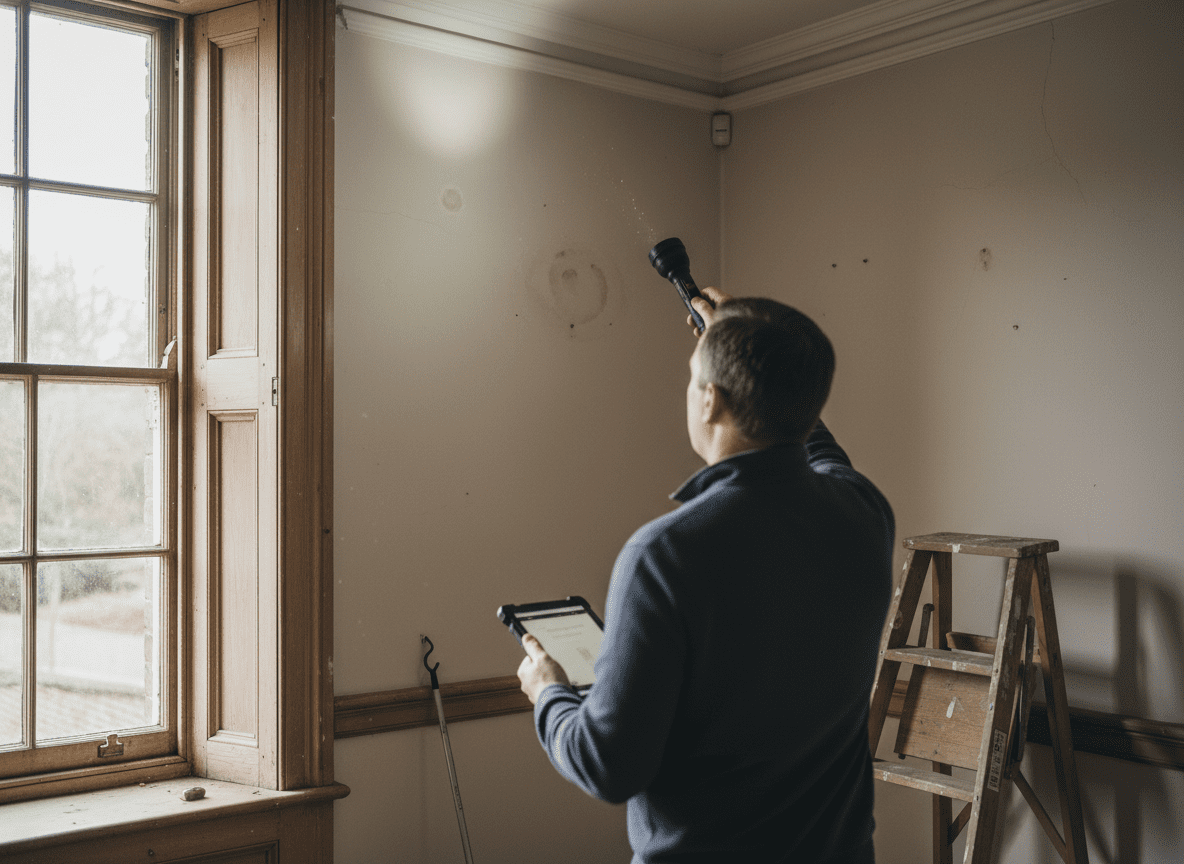
Walls and ceilings
Do not hang large items of furniture or artwork specifically to obscure areas of the wall you are aware have issues. Surveyors are experienced in identifying when items have been placed to obscure something. Honesty is always the better approach (see below).
External access
- Clear overgrown vegetation away from external walls so the surveyor can see the condition of brickwork and pointing
- Ensure downpipes and gutters are not hidden by overgrown shrubs
- Clear access around any oil tank, fuel store, or drainage inspection chambers
- Ensure any flat roof areas or outbuilding roofs can be observed safely from ground level
Documents to Have Ready
A surveyor may ask about certain documents on the day, or your buyer may ask questions arising from the report. Having paperwork to hand can speed up the process and reduce unnecessary uncertainty.
| Document | Why it helps |
|---|---|
| Boiler service history / warranty | A serviced boiler with paperwork is viewed more favourably. It reduces concern about the boiler’s condition and age. |
| FENSA or CERTASS certificate for replacement windows | Confirms windows were installed to building regulations. Important for double glazing fitted after 2002. |
| Building regulations completion certificate | Required for any structural work, extensions, or conversions. If you cannot find this, your solicitor will likely need to deal with it in conveyancing. |
| Planning permission documents | Needed for any extensions, outbuildings, or significant alterations. Establishes that works were approved. |
| Electrical installation condition report (EICR) | If you had a recent electrical inspection, this can allay concerns about the age or condition of the wiring. |
| Gas safety certificate | Annual gas safety checks are not mandatory for sellers (only landlords), but having a recent one can demonstrate the heating system is functioning safely. |
| Damp treatment guarantee or specialist report | If damp has been treated, the guarantee (and the original report) can show the buyer the issue was properly addressed. |
| New roof or structural works records | Any recent major work with contractor details and guarantees helps the buyer understand the repair history. |
Tip: You do not need to have every document perfectly organised before the survey. The most important time to have these ready is during conveyancing. But if a document is easily to hand, sharing it proactively can reduce delays.
The Honesty Rule: What Sellers Should Not Do
Preparing a property for a survey is not the same as staging it for a viewing. The purpose is not to impress — it is to facilitate an accurate inspection.
Do not conceal known defects
If you are aware of a damp patch behind a wardrobe, a crack in an external wall, or a leaking flat roof, do not move furniture or place items to hide these. A good surveyor will often still find the issue, and if they do not and it is discovered after completion, there can be legal consequences.
Your obligations as a seller are governed by the principle of misrepresentation. Actively concealing a known defect from a buyer is not merely poor practice — it can be actionable after the sale completes. Your solicitor will advise you on your disclosure obligations through the TA6 Property Information Form.
Do not carry out rushed repairs to hide problems
A freshly painted wall over an active damp patch is a red flag, not a reassurance. Experienced surveyors look for exactly this kind of superficial repair. If there is a genuine problem, it is better to declare it clearly than to attempt a cosmetic fix that may not last — and that the surveyor may note as suspicious anyway.
Being present or absent during the survey
Whether you are present during the survey is a matter of preference. Some sellers prefer to be there to answer questions about works carried out or to provide document access. Others prefer to leave it to the estate agent. Either approach is fine. What matters is that someone who knows the property and has keys to all areas is available if needed.
What Happens After the Survey
Once the survey is complete, the surveyor produces a report for the buyer. As a seller, you will not receive a copy unless the buyer chooses to share it. However, the buyer may come back to you — through their solicitor or estate agent — with requests arising from the findings.
Common post-survey outcomes
- No significant issues found: The sale proceeds as normal. Most surveys result in manageable findings rather than deal-breakers.
- Price renegotiation: The buyer may use specific findings to request a reduction in the agreed price. Whether to accept, decline, or negotiate is your decision.
- Repairs requested: The buyer may ask you to carry out specific repairs before completion. You can agree, decline, or offer an alternative arrangement.
- Specialist investigations: The surveyor may recommend further investigation — a drain survey, a structural engineer’s assessment, or an asbestos survey. The buyer may request time to complete these before proceeding.
- Buyer withdraws: In cases where the survey reveals significant problems, a buyer may choose to withdraw. This can happen — it is why buyers commission surveys.
Understanding that the survey is a normal and expected part of the buying process helps sellers manage it with a clear head. Most surveys lead to manageable conversations rather than collapsed sales.
Are you a buyer looking to book a home survey? We provide clear, practical RICS Level 2 and Level 3 reports across Peterborough and the surrounding area. Get in touch to discuss your property.
Frequently Asked Questions
Does the surveyor need me to be at home during the inspection?
No. The surveyor can carry out the inspection with access arranged through the estate agent. What matters is that someone who can provide access to all areas — including the loft, garage, and any locked outbuildings — is available or has left keys with the agent.
Should I do any repairs before the survey?
Only if they are genuine, complete repairs that fix a real problem — not cosmetic patches. Rushed or superficial repairs can make a surveyor more suspicious, not less. If a repair is needed, do it properly and have evidence of the work done (receipts, contractor details).
What if the surveyor finds something I did not know about?
This happens. If the buyer comes back to you with findings you were genuinely unaware of, the conversation becomes a negotiation — not a legal dispute. Unknown defects disclosed by a survey are a normal part of the property transaction process.
Can I see a copy of the survey report?
The survey is commissioned by and belongs to the buyer. They are not obliged to share it with you, although many do — particularly if they want to discuss findings or request a price reduction. Some sellers choose to commission their own survey before listing, to understand the property’s condition in advance.
What if the buyer uses the survey to lower the price unfairly?
Price renegotiations based on survey findings are common and not automatically unreasonable. If you disagree with the buyer’s assessment or believe findings are being overstated, you can get independent advice — from your own surveyor or solicitor — before deciding how to respond.
Is there anything that will definitely fail a survey?
A RICS survey does not pass or fail a property. It reports on condition. Serious issues — active structural movement, significant damp, dangerous electrics — will be flagged as urgent and may give the buyer pause. But there is no fixed list of issues that automatically end a sale.
What should I do if I know my home has a significant defect?
Speak to your solicitor. You have disclosure obligations as a seller and hiding known defects can have legal consequences after the sale. In most cases, transparent disclosure — ideally with records of any treatment or specialist reports — leads to better outcomes than concealment.






0 Comments