

1. Clear Access to Key Areas
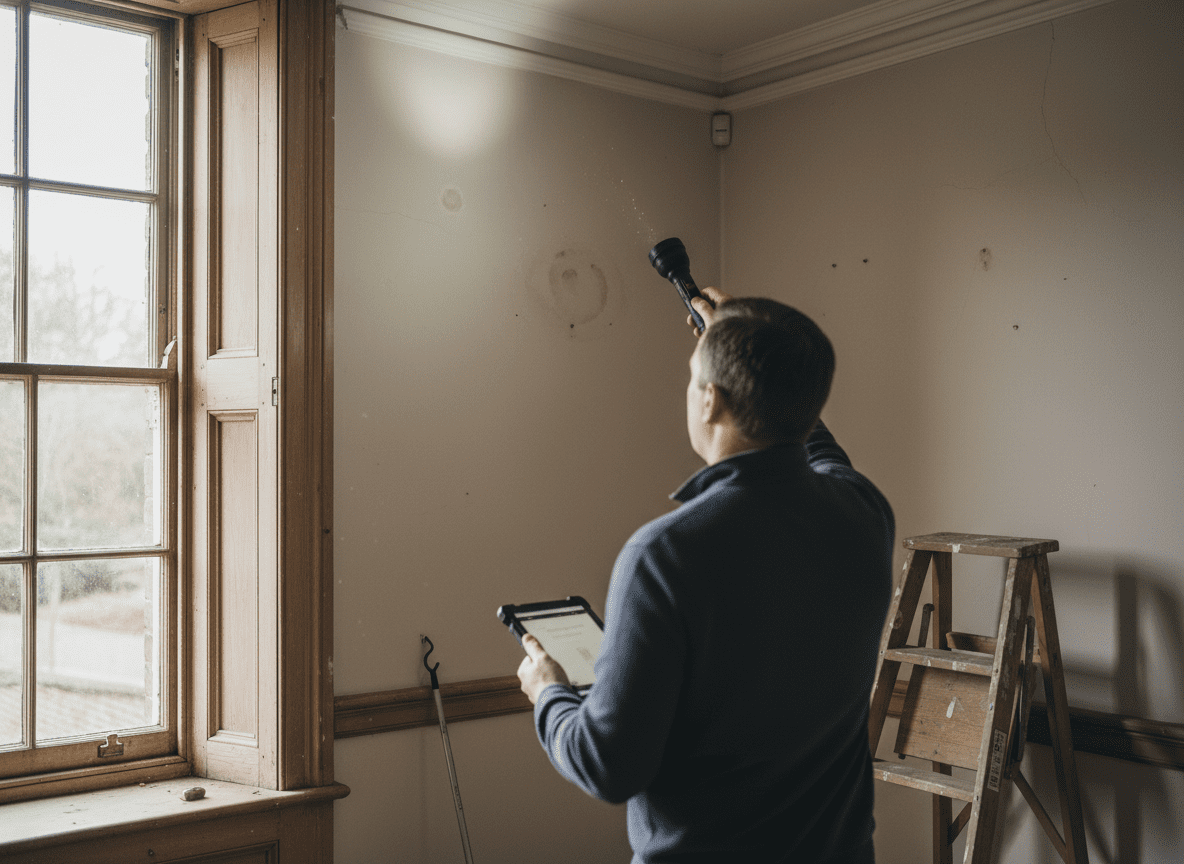
Surveyors need to inspect roof voids, underfloor spaces, lofts, and boiler rooms. If clutter blocks the way, they can’t see everything.
- Move boxes or furniture away from loft hatches and boiler cupboards.
- Ensure all rooms are unlocked and all lights work.
- Pro tip: leave a few feet around cupboards for ladder access.
2. Gather Relevant Documents
Having paperwork at hand speeds up the survey. You don’t have to dig through filing cabinets mid-inspection.
- Original plans or extension approvals, if available.
- Service records for boilers or damp-proofing.
- Snagging list from your builder (for new builds).
3. Note Your Concerns in Advance
Maybe you’ve spotted small cracks or a sticky window. Jot down your worries so nothing gets missed.
- Make a short list and share it at the start.
- Surveyors welcome your observations—they add context.
- It helps tailor the inspection to your property’s quirks.
4. Check Utility Meter Readings
Reading meters before the survey gives a snapshot of usage. It can hint at hidden leaks or running appliances.
- Record gas, electric, and water readings on the day.
- Mention any unusually high bills to your surveyor.
5. Plan for Weather Conditions
Rain or shine, surveys go ahead—unless it’s torrential. Still, a dry day makes roof and gutter checks easier.
- Reschedule if severe weather is forecast.
- On wet days, surveyors check damp more thoroughly—so be prepared for moisture findings.
6. Understand the Different Survey Types
Not all surveys are equal. A basic inspection won’t spot hidden issues like a Level 3 Building Survey does.
- For most modern homes, start with a RICS Level 2 Home Survey.
- If your property is older or has complex features, consider a Level 3 Building Survey.
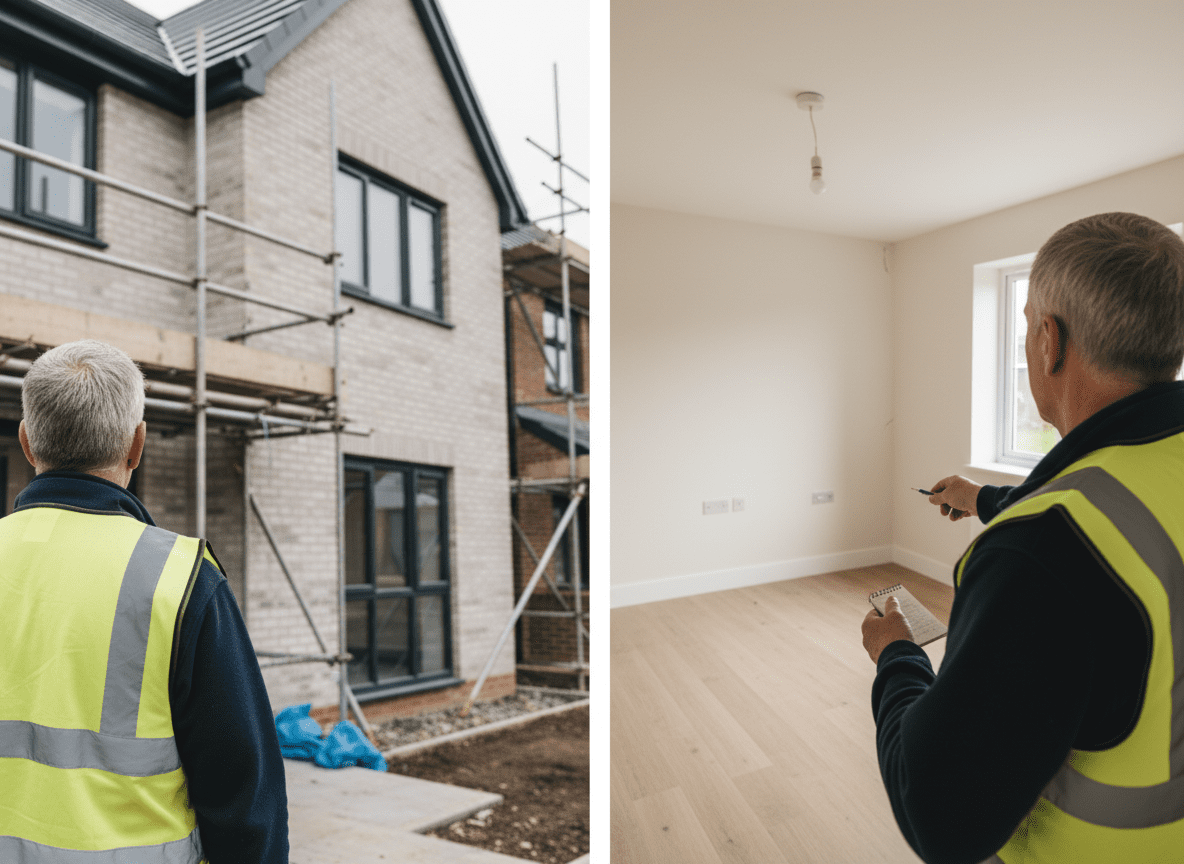
- New build? Add a Pre-Completion Inspection to catch last-minute snags.
7. Be Ready to Discuss Findings
Surveyors explain issues as they go. Feel free to ask questions. You’re paying for their expertise.
- Ask for clarification on technical terms.
- Request photos of any defects noted.
- Discuss timelines and cost estimates for repairs.
8. Follow Up Promptly
After the survey, you’ll get a written report. Share it with your solicitor or builder quickly to keep your purchase on track.
- Highlight urgent repairs first.
- Use the report to negotiate price or corrections.
- Set realistic deadlines for remedial work.
Internal Linking Opportunities
For more home-buying advice, check our Homebuyer Tips. To see our service area, visit Peterborough Service Area.
With a bit of prep, your surveyor can give you the clearest picture of your future home. Ready to book? Visit our Home Survey Services page.



0 Comments