

You can fall for a house on the viewing. Then you find the real story after you move in. A leak that only shows in heavy rain. Floors that dip once you live with them. Damp that sits behind a wardrobe. These issues rarely show up in photos, and they often feel “minor” until you price the fix.
A mortgage valuation will not protect you from that. It exists for the lender. If you want an independent view of condition and risk before you commit, a RICS Level 3 Building Survey goes deeper and explains what defects mean in plain terms. If you are still weighing up what a valuation is versus a survey, read our mortgage valuation vs survey guide first.
This guide explains what a building survey looks at, the issues buyers usually miss, and how to use the findings during the buying process.
What a building survey is
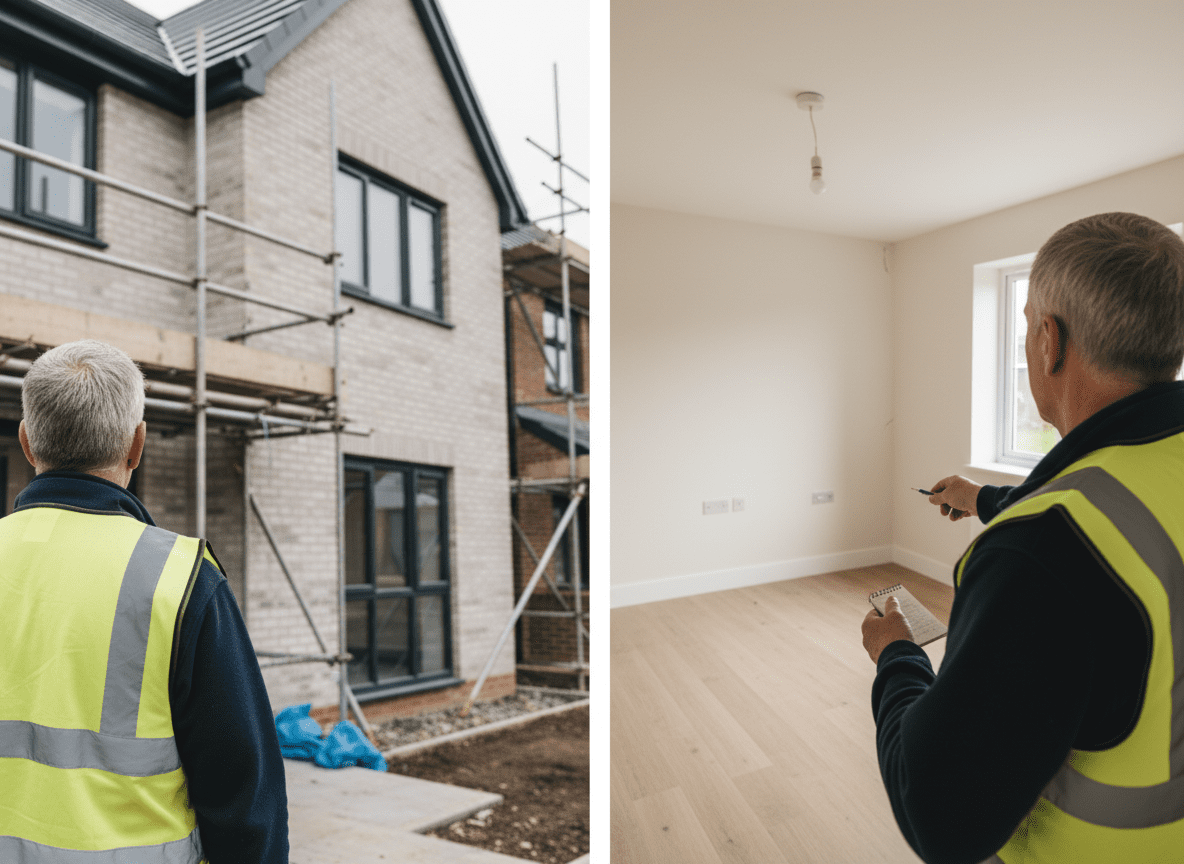
A building survey is the most detailed home survey available in the RICS framework. People also call it a Level 3 survey. It suits older homes, altered buildings, and any purchase where you want a full picture of condition and likely repair risk.
The inspection is still non-invasive. We do not pull up floors or open up walls. The difference is the depth of analysis. A Level 3 report explains why a defect is happening, what it can lead to, and what sensible next steps look like.
Think of it like this: a building survey is not a list of “good” or “bad” points. It is a clear explanation of risk, priority, and the likely path of repairs.
Why it is different from lighter surveys
Many buyers book a survey because they want reassurance. The problem is that not every report gives you the same level of clarity.
A Level 3 survey differs because it:
- Explains likely causes, not just symptoms
- Flags defects that can be easy to miss on a viewing
- Highlights construction-specific risks (age, materials, alterations)
- Sets out repair priority and practical next steps
If the home is modern, standard construction, and appears straightforward, you may not need this level of detail. The right choice depends on age, complexity, and how much risk you are comfortable carrying.
Hidden problems it often uncovers
Most “surprise” costs come from a short list of issues. They hide because they sit in awkward places, present subtly, or only show in certain conditions.
Movement and distortion
Cracks can look harmless. Some are. Others point to settlement, wall movement, or changes made without proper support. A Level 3 survey looks at crack patterns, location, and the wider context, then explains whether the issue appears historic or needs follow-up.
Damp and moisture risk
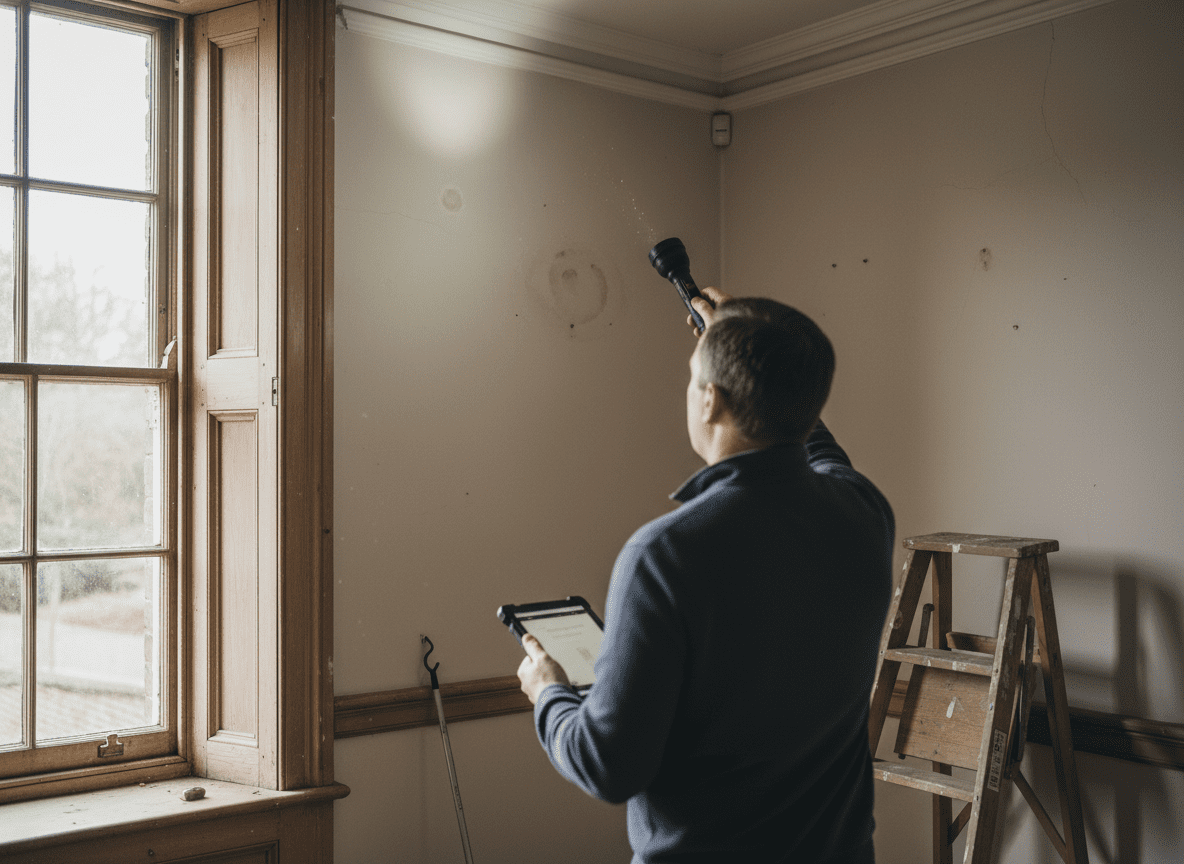
Damp often gets disguised by decoration. Surveyors look for signs like salts, staining, timber softness, and ventilation issues. The report explains what type of moisture problem is most likely and what to do next.
Roof and chimney defects
Roofs can hide costs because problems sit high up and only show when damage has progressed. Missing flashings, failing pointing, slipped tiles, and patch repairs are common. A survey sets out what you can see, what it suggests, and what may need closer checking.
Poor extensions and conversions
Alterations can change how a building behaves. A survey will comment on workmanship and whether changes appear to follow reasonable building standards. It will also flag details that often cause problems later, such as poor junctions, ventilation gaps, or makeshift structural supports.
Timber decay in low ventilation areas
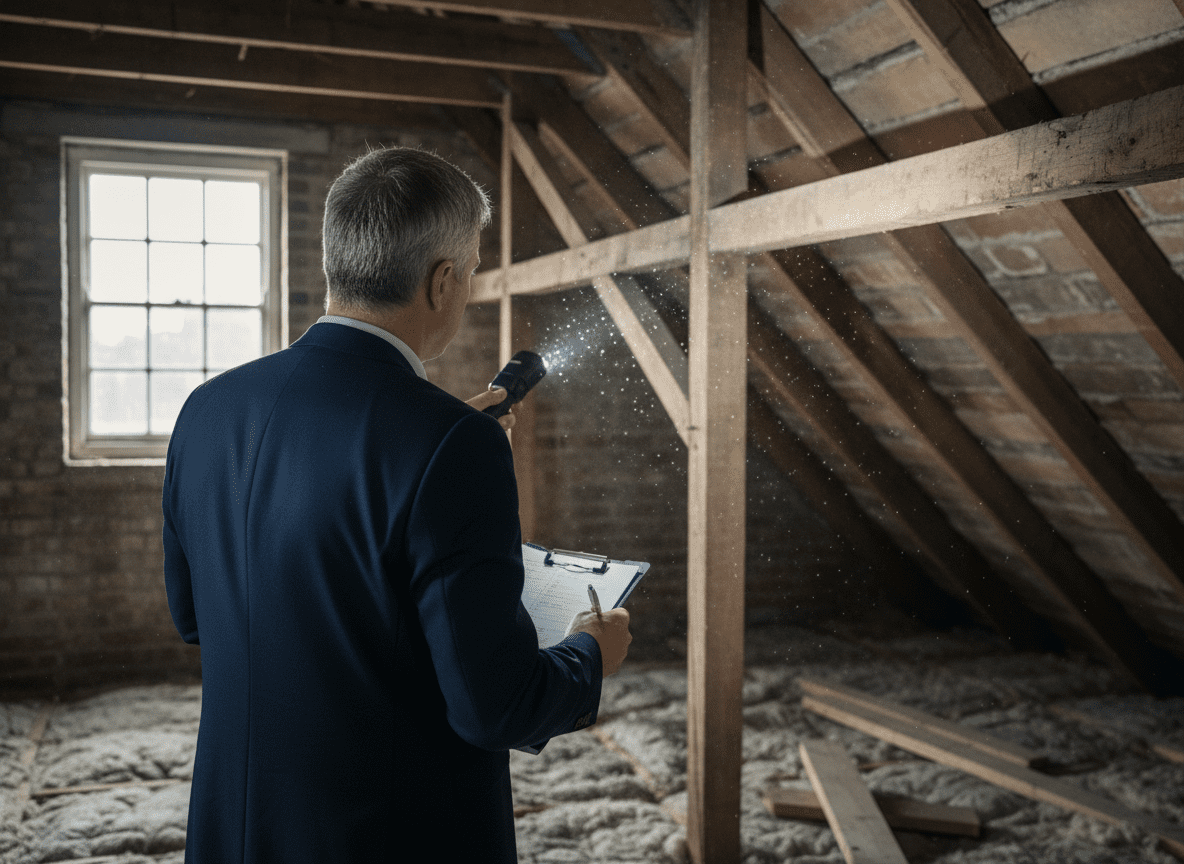
Rot and beetle activity often develop where airflow is poor. A survey reviews accessible timbers and explains where hidden issues may exist, plus when a specialist inspection makes sense.
Key point: the report should not alarm you. It should help you judge what is normal for the property, what needs action, and what affects cost.
A practical local example
We surveyed an older terraced home near Peterborough that looked tidy and well kept. The viewing suggested “move in ready”. The survey found a different picture in the details.
- Timber decay developing behind ground-floor skirtings
- Hairline cracking to the chimney stack consistent with historic movement
- Inadequate insulation and ventilation in a converted loft space
None of these issues meant “do not buy”. What they did was change the buyer’s plan. They negotiated, budgeted, and avoided a slow drip of unexpected repairs after moving in.
When a Level 3 survey is the right choice
A building survey is usually the sensible option when:
- The property is older (often 80–100+ years)
- The construction is non-standard
- You can see cracking, damp staining, or uneven floors
- The home has been extended, converted, or heavily altered
- You plan renovations and want clarity on existing condition
If you want the full service detail and what is included, see our Level 3 Building Survey page.
How to use the report before exchange
A survey only helps if you act on it. Keep it simple and structured.
- Start with the key issues and anything linked to water ingress or safety
- Ask for specialist checks only where the report suggests a real risk
- Share relevant points with your solicitor if they affect responsibility or documentation
- Use clear findings to support negotiation, focused on cost and risk
- Build a maintenance plan so you are not surprised later
The goal is not to find a perfect home. It is to understand the one you are buying before you sign.
Next steps
If you are buying an older or more complex property, a RICS Level 3 Building Survey gives you the clearest view of condition and risk.
If you want to understand the difference between a lender check and a buyer survey first, use our mortgage valuation vs survey guide.
If you want clear answers before you commit, use the contact page to share the property details and we will advise on the most suitable survey level.






0 Comments