


A pre-completion inspection gives you one last, independent check of a new build before handover. It helps you spot defects while the builder still has a clear responsibility to put things right. That matters because once you move in, even simple issues can turn into weeks of chasing, missed appointments, and living around unfinished work.
New homes can look spotless on a quick walk-through. Paint hides uneven plaster. Fresh silicone hides gaps. A door may shut today, then start catching after the first cold snap. A pre-completion inspection finds problems early, when fixes tend to be quicker and less disruptive.
This guide explains what a pre-completion inspection covers, when to book it, what it does not include, and how to use the report to get defects resolved. You will also see the difference between pre-completion and post-completion snagging, plus a practical example of how small findings can protect your budget.
What is a pre-completion inspection?
A pre-completion inspection is a structured snagging inspection carried out shortly before you complete on a new build. The goal is simple: identify defects, unfinished items, and workmanship issues while the home is still in the builder’s control and before moving day turns into a list of problems to manage.
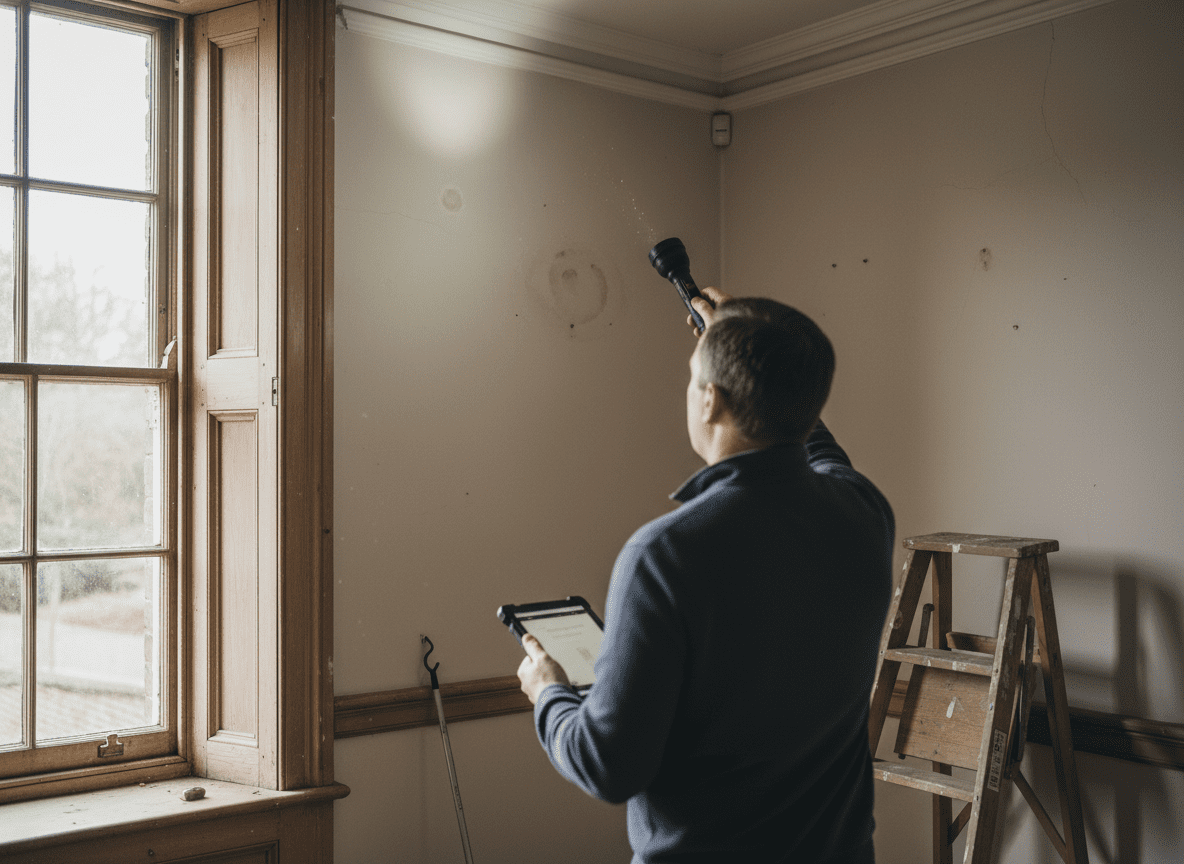
It is a visual inspection. We look closely at what is accessible, safe to reach, and visible at the time of the visit. We do not pull up floors, open walls, or dismantle fittings. If we see signs that suggest a deeper issue, we record the concern and explain the next sensible step, which may involve a specialist.
Practical point: a pre-completion inspection is most useful when you can give the builder time to fix items before you collect keys. It is a quality-control check, not a guarantee that nothing will ever go wrong.
If you are choosing between services, start with the dedicated service page for pre-completion inspections. If you have already moved in, the better fit is often a post-completion survey.
When to book it and how long it takes
Most buyers book a pre-completion inspection once they have a realistic completion window. If you book too early, the property may still be in a state where many defects are simply “unfinished works”. If you book too late, you risk having no time left for meaningful fixes.
Typical timing window
- Best case: 7 to 14 days before completion, when finishing trades have largely left site.
- Still useful: 2 to 5 days before completion, but you may only get urgent items addressed before move-in.
- Not ideal: after completion, unless access before completion was restricted.
How long the inspection takes
Time on site depends on size, layout, and access. As a general guide:
- 1–2 hours for smaller flats and compact houses
- 2–3 hours for typical family homes
- Longer if the home has complex layouts, larger external areas, or multiple bathrooms
If you also need wider reassurance on a property that is not truly “new build” (for example, a conversion or a property that has been substantially altered), you may need a different approach. In those cases, a RICS Level 3 Building Survey can be more suitable.
What we check during a pre-completion inspection
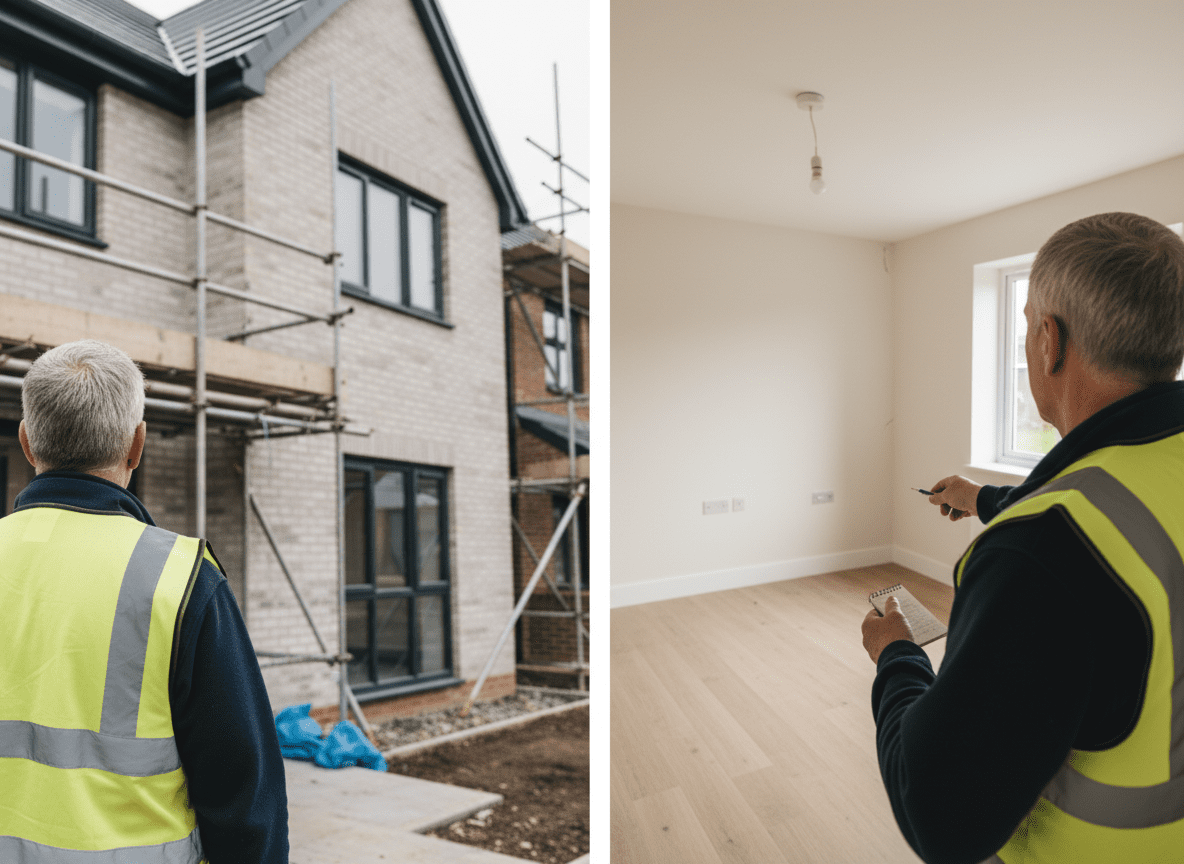
A good pre-completion inspection is not just a quick tour with a checklist. It is systematic. We move room by room, then outside, then back to key service points. We focus on the places where rushed finishing often shows up.

Internal finish and function
- Walls and ceilings for cracks, uneven plaster, poor joints, and missed finishes
- Skirtings, architraves, and joinery alignment
- Doors for closing, latching, and gaps around frames
- Windows for operation, visible seals, and obvious damage
- Kitchen units for alignment, loose hinges, and poor fitting
- Bathroom finishes, including silicone lines and visible leaks or staining
Wet areas and ventilation
- Sealant continuity around baths, showers, and sinks
- Visible signs of water staining and poor falls to shower trays
- Extractor fan presence and basic condition (visual only)
- Trickle vents and air flow routes where accessible

External areas
- Brickwork, pointing, and visible cracks
- Gutters and downpipes for alignment and obvious leaks (viewed from ground level)
- Paths, drives, and patios for levels, trip hazards, and pooling risk
- Fencing, gates, and boundary finishes
- External taps and visible service entries

What we do not do: we do not carry out invasive checks, we do not do electrical or gas testing, and we do not certify installations. Where the visuals suggest a concern, we recommend a qualified specialist check.
A simple pre-completion checklist you can use on the day
You do not need to become an expert. You just need a structured approach. If you attend the inspection or do your own walk-through as well, start with this:
- Open and close every internal door, including wardrobes
- Check bathroom sealant lines for gaps or missed areas
- Look for hairline cracks around windows and ceilings
- Check kitchen unit doors for alignment and wobble
- Walk external paths slowly and look for rocking slabs
- Look up at gutters for obvious misalignment and overflow staining
Pre-completion vs post-completion snagging
Buyers often ask whether pre-completion inspections and snagging surveys are the same thing. The core purpose is similar: find defects and record them clearly. The difference is timing, leverage, and disruption.
| Type | Best time to book | Main advantage | Main limitation |
|---|---|---|---|
| Pre-completion inspection | 7–14 days before completion | Issues get raised before handover, with less disruption after you move in | Depends on access being allowed before completion |
| Post-completion snagging | First 1–3 weeks after move-in | Works when pre-completion access is restricted, still within early warranty period | You live with the defects while fixes happen |
| RICS Level 2 Home Survey | Before exchange on standard homes | Condition and risk overview for buyers, not just finish quality | Not tailored to snagging on brand-new builds |
If you are weighing options across survey types, the Choosing the right survey hub helps you compare services without guesswork.
How it saves money and reduces stress
A pre-completion inspection often pays for itself in avoided hassle. The value usually comes from three places: catching defects before they cause damage, reducing post-move disruption, and giving you a clear, written list that is hard to ignore.
1) You avoid paying for fixes that should never be yours
Some defects look small but create larger issues. Missing sealant can lead to damp staining. Poorly fitted guttering can cause recurring overflow. If you only notice it months later, you may end up paying for redecorating as well as the repair.
2) You reduce repeat visits and delays
After completion, repairs tend to happen around your schedule. That can mean time off work, waiting in, and living with unfinished areas. Raising defects before completion gives the builder a better chance to plan and complete the work while the home is still empty.
3) You get clarity when the process feels rushed
Completion dates move. Sales teams push hard. Site teams change. A structured report gives you a stable reference point. You know what matters, what is cosmetic, and what needs prompt action.
Practical example: A typical snag list can include 30–80 items on a standard family home. Many are quick fixes, but a handful can carry real cost if ignored. For example, re-sealing a shower area may take minutes now. If water tracks behind tiles for months, repairs can involve removing fittings and re-tiling.
Common mistakes and decision points
Where buyers get caught out
Assuming “new” means “perfect”
Most defects are not dramatic. They are small workmanship issues that add up. A home can look finished and still have problems that affect comfort, performance, and maintenance.
Booking too late to be useful
If you book the inspection a day before completion, the report may still help you log defects, but you lose the chance for fixes before move-in. Aim to give at least a week where possible.
Relying on the builder’s own checks
Builders do checks, but their priority is handover. An independent inspection brings a different focus: your experience living in the home, not hitting a deadline.
Mixing up snagging with structural surveys
Snagging inspections focus on finish, function, and workmanship. If you suspect broader structural concerns, a different survey type may be more appropriate. That is why we signpost where a Level 3 Building Survey fits.
Not tracking actions after the report
A report only helps if it turns into a plan. You need dates, responsibility, and a clear way to confirm what has been fixed.
What happens next after the report
Once you receive the report, treat it as a working document. Keep it clear, structured, and easy for the builder to act on. This is the step-by-step approach that works best for most buyers.

Step-by-step: turning findings into fixes
- Step 1: Read the summary first and note the priority items that affect safety, water ingress, or function.
- Step 2: Share the report with the builder or site manager, with a clear request for timescales.
- Step 3: Keep communication written where possible so you have a record of dates and responses.
- Step 4: If completion is imminent, ask which items can be completed before handover and which will be scheduled after.
- Step 5: Photograph completed fixes and keep notes. This helps if an issue returns.
- Step 6: If needed, book a follow-up visit to confirm defects have been resolved to a reasonable standard.
If you are unsure which service fits your timing, compare pre-completion inspections with the post-completion survey and choose the one that matches your access and completion date.
Pre-completion inspection FAQs
Is a pre-completion inspection the same as a snagging survey?
It is a form of snagging inspection carried out before completion. The focus is on defects, workmanship, and unfinished items that should be resolved before or shortly after handover.
Can a pre-completion inspection delay completion?
The inspection itself does not change legal dates. It gives you clear information so you can request fixes and agree timescales. Your solicitor can advise on any contractual steps if needed.
Do you test electrics, plumbing, or gas?
No. The inspection is visual only. We record visible issues and recommend specialist checks if we see signs that suggest a fault.
What if the builder refuses access before completion?
Book a post-completion snagging survey as soon as you can after moving in. Early inspection still helps you log defects clearly and pursue repairs promptly.
How detailed is the report?
It is a practical list of defects, with clear descriptions and photos where helpful. It is written so you can share it directly with the builder.
How many defects are normal on a new build?
It varies. Many homes have a mix of small finish issues and a few functional items. The goal is not to panic, but to record defects clearly and get them resolved.
Do I need a Level 2 survey on a new build as well?
Often, snagging is the priority for a true new build. A Level 2 survey can still be useful in certain cases, but it is not designed as a snagging checklist.
Will you check the loft?
Where safe and accessible, we will view accessible roof spaces visually. If access is restricted or unsafe, we note the limitation.
Can you inspect flats and shared blocks?
Yes. We inspect the flat and accessible shared areas where permitted. Some communal elements may fall under the management company, which we can note in the report.
What should I prepare before the inspection?
Send your completion window, property address, and any access instructions. If you have specification documents or a finish schedule, share them so we can check against what was promised.
Do you cover Peterborough and nearby areas?
Yes. We cover Peterborough and a 30-mile radius. If you are unsure about your postcode, use the contact page and we will confirm.
If you want to reduce last-minute surprises, a pre-completion inspection gives you an independent snag list before handover. Review our pre-completion inspection service and send your dates via contact us so we can book a slot that fits your completion schedule.







0 Comments