

Subsidence is one of the most serious structural issues a property can face, often leading to costly repairs and even affecting a home's value. If left unchecked, it can cause cracks, structural instability, and long-term damage. But what exactly is subsidence, how can you spot the warning signs, and what should you do if your property is affected?
In this guide, we’ll cover everything you need to know about subsidence, including its causes, symptoms, and what steps you can take to address it.
What Is Subsidence?
Subsidence occurs when the ground beneath a property sinks or shifts, causing the building’s foundations to move unevenly. This movement can lead to cracks in walls, doors and windows becoming misaligned, and, in severe cases, structural instability.
While some degree of ground movement is normal (especially in certain soil types), significant subsidence can cause major damage if not identified and addressed early.
What Causes Subsidence?
Subsidence can be triggered by a variety of factors, many of which relate to the soil type, weather conditions, and surrounding environment. The most common causes include:
1. Soil Type
Certain types of soil are more prone to movement than others. For example:
- Clay soil shrinks in dry conditions and expands when wet, leading to instability.
- Sandy or gravel-based soil can be washed away by water, reducing support for foundations.
- Peat-based soil can compress over time, leading to sinking.
2. Tree Roots & Vegetation
Large trees and shrubs near a property can draw moisture from the soil, causing it to shrink and leading to movement in the foundations. Some of the worst culprits include:
- Oak
- Willow
- Poplar
- Sycamore
Removing trees suddenly can also destabilise the ground, causing further movement.
3. Water Leaks & Drainage Issues
Leaking pipes, damaged drains, or broken gutters can wash away soil beneath a home, leading to subsidence. Persistent leaks can weaken foundations and accelerate movement.
4. Drought & Extreme Weather
Periods of extreme heat and drought cause soil, especially clay, to dry out and shrink. Conversely, prolonged heavy rainfall can wash away supporting soil, leading to instability.
5. Poor Foundation Construction
If a property was built with shallow or inadequate foundations, it may be more vulnerable to subsidence, especially in areas with unstable soil. Older properties are particularly at risk.
How to Spot the Signs of Subsidence
Early detection of subsidence is crucial to prevent serious damage and costly repairs. Here are the key warning signs:
1. Cracks in Walls
- Subsidence cracks are usually wider than 3mm (about the width of a £1 coin).
- They widen as they go up and often appear diagonally.
- Cracks are more likely to be found around doors, windows, and extension joins.
2. Doors and Windows Sticking
If your doors or windows suddenly become difficult to open or close, it could be due to the building shifting from subsidence.
3. Sloping or Uneven Floors
A noticeable tilt in floors or feeling like you're walking downhill in certain rooms could indicate uneven foundation movement.
4. Gaps Between Walls and Extensions
If an extension or conservatory begins to separate from the main house, it could be a sign that subsidence is affecting part of the structure.
5. Rippling or Warping in Wallpaper
If wallpaper begins to crease or wrinkle where it was previously smooth (without any water damage), it may be a sign that the wall is moving due to subsidence.
Is Subsidence Dangerous?
In its early stages, subsidence does not pose an immediate safety risk. However, if left untreated, it can cause serious structural issues, including:
- Walls becoming unstable.
- Increased risk of collapse in severe cases.
- Reduced property value and difficulty selling.
If you suspect subsidence, it’s crucial to take action as soon as possible.
What Should You Do If You Think Your Home Has Subsidence?
1. Contact a Professional Surveyor
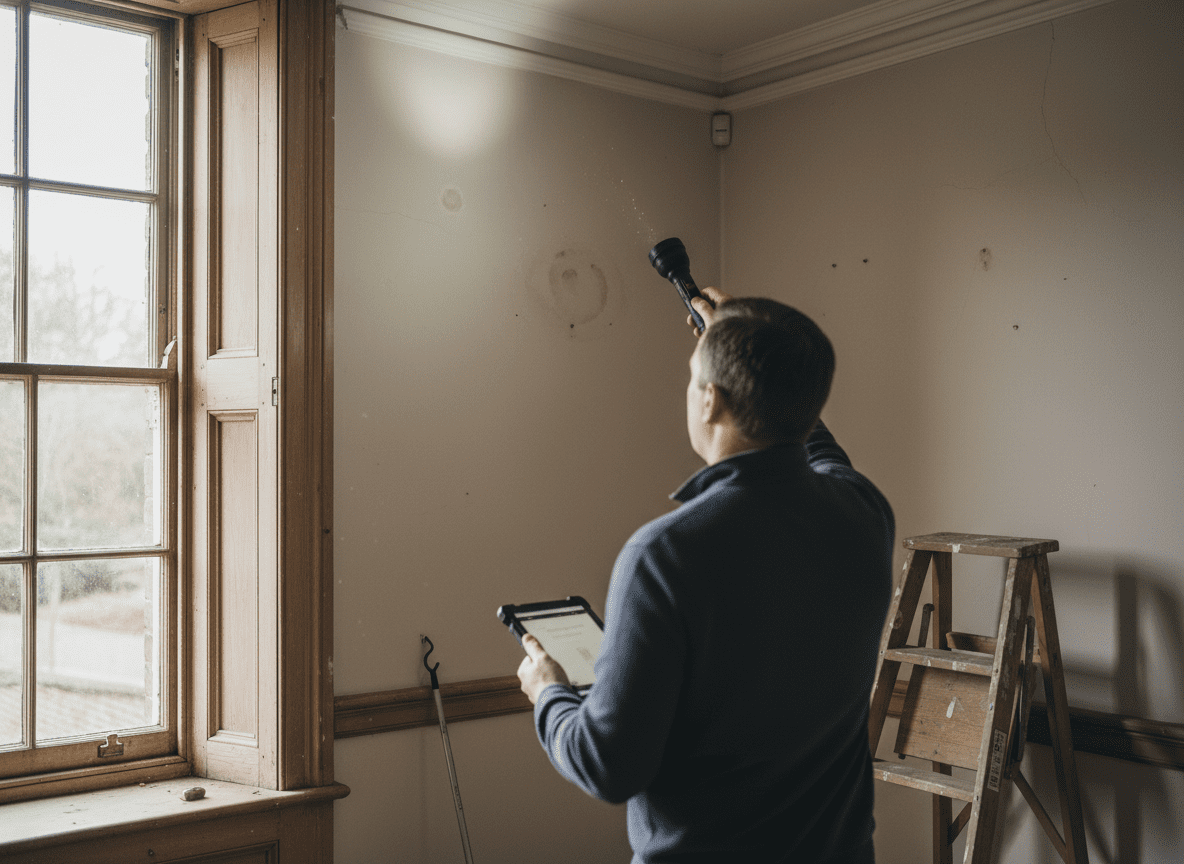
If you notice signs of subsidence, a chartered surveyor (such as an RICS-accredited surveyor from Blue Blossom Surveys Ltd) can conduct a Level 3 Building Survey to assess the severity of the issue.
2. Monitor Cracks Over Time
A surveyor may recommend monitoring cracks for at least 6-12 months to see if they are growing. If the movement stops, repairs can be carried out without major foundation work.
3. Fix Drainage or Water Leaks
If a leaking pipe or drain is the cause, fixing the leak may be enough to stabilise the property.
4. Tree & Vegetation Management
If tree roots are contributing to the issue, a tree specialist (arborist) can advise on reducing root impact without causing further instability.
5. Underpinning (For Severe Subsidence)
In extreme cases, a process called underpinning may be required. This involves strengthening the foundations by:
- Extending foundations deeper to reach stable ground.
- Injecting resin into the ground to provide support.
- Using reinforced concrete beams beneath the property.
Underpinning is costly (typically £10,000-£50,000) but is only necessary for severe cases.
Will Subsidence Affect My Insurance?
If subsidence is detected, your home insurance may cover repairs, but this depends on:
- Whether your policy includes subsidence cover.
- The cause of the subsidence (e.g., tree roots, leaks, or natural ground movement).
If your home has had previous subsidence issues, future insurance costs may be higher, and some insurers may impose conditions.
How to Prevent Subsidence in the Future
While you can’t always prevent subsidence, you can reduce the risk by:
✔ Avoiding planting large trees/shrubs too close to your home.
✔ Keeping gutters and drains well-maintained to prevent leaks.
✔ Ensuring good ground drainage to prevent soil erosion.
✔ Checking for cracks or movement regularly and acting early.
Final Thoughts
Subsidence is a serious issue, but early detection and professional guidance can prevent costly damage. If you notice any warning signs, getting a professional Level 3 Building Survey from Blue Blossom Surveys Ltd can provide the clarity you need.
If you're concerned about subsidence or need expert advice, contact us today for a professional assessment and peace of mind.




0 Comments