

Does a Home Survey Check the Drains?
Drainage problems are among the most disruptive and expensive issues a buyer can discover after moving in. A collapsed section of underground pipe, a failing soakaway, or years of unnoticed root ingress can all result in significant repair costs — and significant disruption to your home and garden.
So what does a standard RICS home survey actually tell you about the drains? And how do you know whether you need a more specialist investigation?
Key takeaways
- A RICS home survey includes a visual inspection of accessible drainage features — but it is not a full drainage survey.
- Surveyors will note signs of drainage problems but cannot inspect underground pipework.
- A specialist CCTV drain survey gives a complete picture of underground pipe condition and is often recommended as a follow-up if concerns are flagged.
- Always commission further drainage investigation before exchanging contracts if your survey raises a concern.
What Does a Home Survey Check About Drainage?
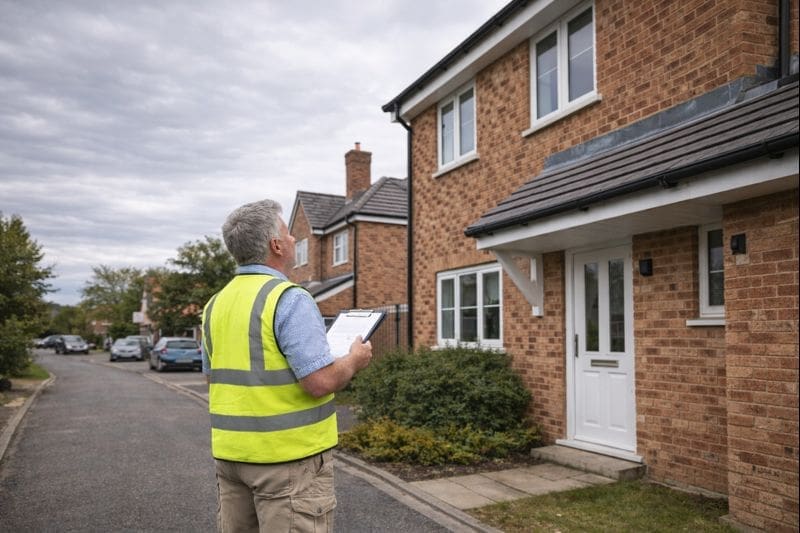
A RICS surveyor will visually inspect all drainage features that are accessible and visible at the time of the survey. This typically includes:
- Gutters, downpipes and hoppers — checking for blockages, leaks, incorrect fall or missing sections that cause water to overflow onto the building’s walls
- Visible drainage inspection covers — the surveyor will usually lift accessible manhole covers to assess the visible condition of below-ground drainage where it is safe to do so
- Surface water drainage — evidence of water pooling around the property, which may indicate a failed soakaway or blocked drainage channels
- Damp linked to drainage faults — persistent moisture at or near floor level can indicate a drainage issue rather than a structural damp problem
- External pipework — visible soil pipes, rainwater pipes, back-inlet gullies and their general condition
- Evidence of recent groundwork — particularly around extensions, where new drainage connections may have been poorly made
Where concerns are spotted, the surveyor will note them in the report and typically recommend further specialist investigation before exchange of contracts.

Level 2 vs Level 3: Drainage Coverage
RICS Level 2 Homebuyer Survey
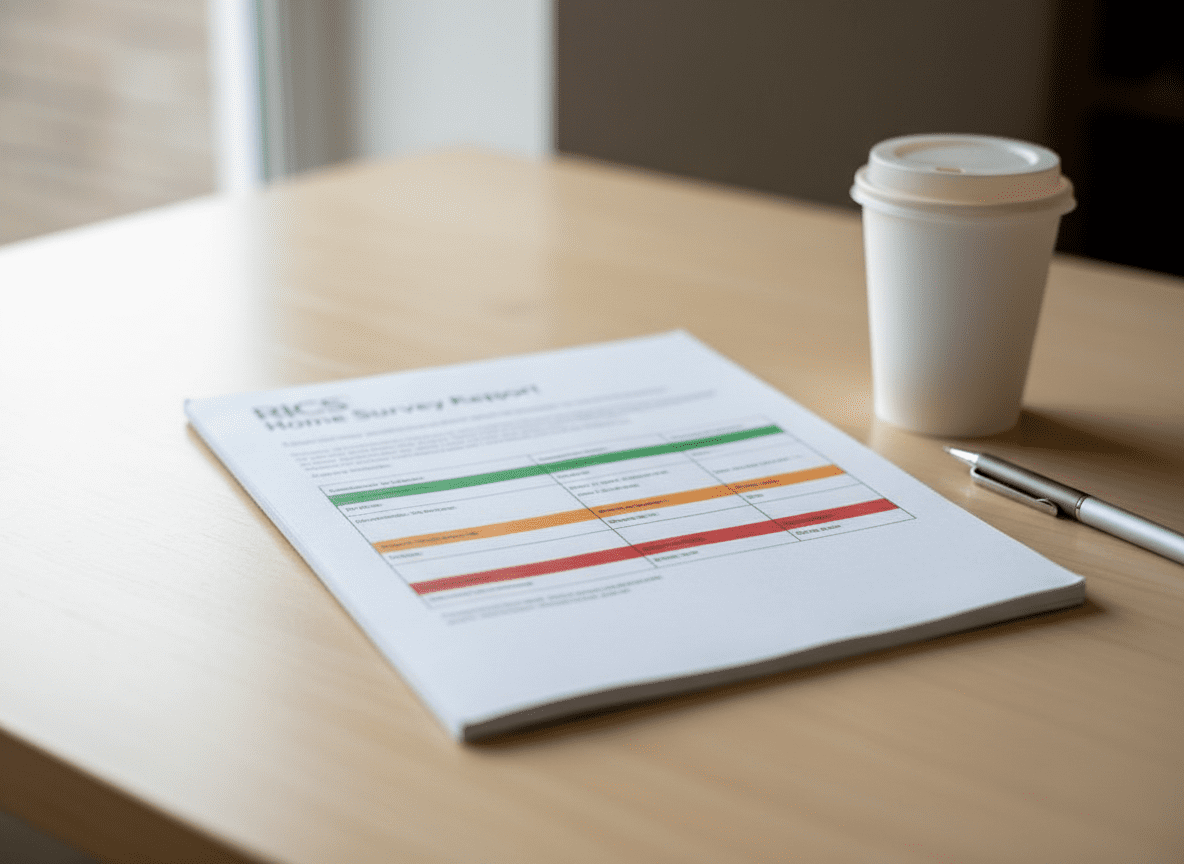
A Level 2 survey will include a visual inspection of drainage as part of its wider assessment of the property. It will comment on anything that raises concern, and where drainage is rated C2 or C3, it will recommend further investigation.
The Level 2 does not go beyond what can be seen. If a manhole cover is inaccessible, the report will note this limitation. The survey will not involve specialist drainage testing or any form of underground inspection.
RICS Level 3 Building Survey
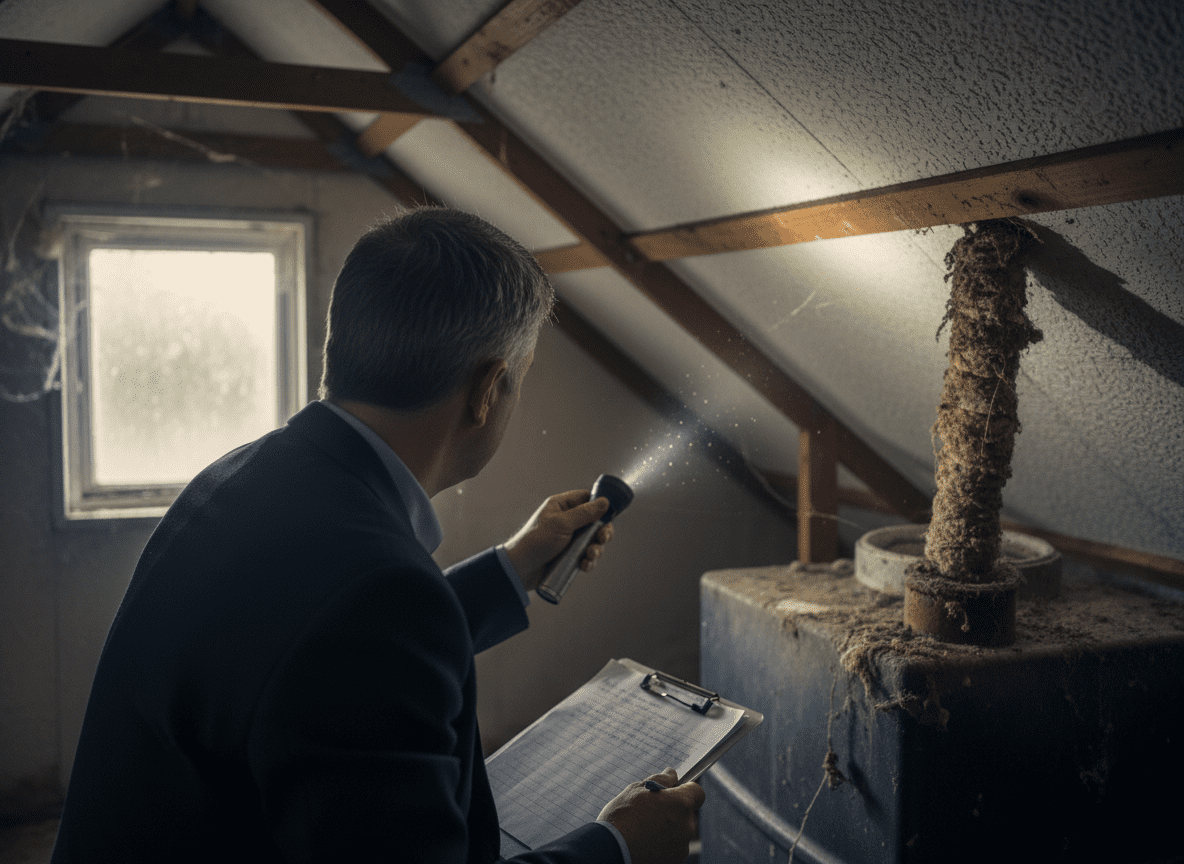
A Level 3 Building Survey is more thorough in its overall approach and the surveyor will typically spend more time examining evidence of drainage problems — particularly in older properties where drainage systems may be ageing or using materials prone to failure.
The Level 3 is more likely to identify indirect evidence of drainage issues: damp patterns consistent with a leaking underground pipe, evidence of subsidence linked to drain failure, or root damage at visible junctions. It still cannot inspect underground pipework directly, but its broader investigation increases the likelihood of picking up drainage-related problems.
What a Standard Survey Won’t Tell You About Drains
There are real limits to what a RICS home survey — at either level — can tell you about the drainage system. A surveyor cannot:
- Push a camera into the drain system to inspect underground pipe condition
- Identify partial blockages that are building up but haven’t yet caused visible problems
- Confirm whether the property drains to the public sewer or a private soakaway — or both
- Establish whether underground pipes are ceramic, pitch-fibre or plastic, or confirm their remaining service life
- Detect root ingress from trees in neighbouring gardens
- Confirm whether drains are shared with neighbouring properties and who is responsible for maintenance
- Check whether extension drainage connections comply with building regulations
These limitations don’t reduce the value of a RICS survey — it remains essential. But they do mean that where drainage is a particular concern, a separate specialist investigation can provide information that a home survey simply cannot.

When Should You Get a Specialist Drainage Survey?
A CCTV drain survey involves feeding a small camera through the drain system to produce a video record of the underground pipes. It can identify collapsed sections, root ingress, displaced pipe joints, incorrect gradients and the age and material of the pipes.
You should seriously consider commissioning a CCTV drain survey if:
- Your RICS surveyor flags drainage as a concern in the report
- The property is older — particularly pre-1970, where clay or pitch-fibre drainage systems are common and approaching the end of their design life
- There are large trees in or near the garden
- The seller has disclosed any past drainage problems
- You noticed slow drainage, gurgling sounds, or unpleasant smells during your viewing
- A significant extension has been added and you’re unsure whether drainage was re-routed correctly
- The property has a private soakaway rather than mains drainage
A specialist drainage survey is arranged separately from a RICS home survey, through a specialist drainage contractor. The cost is modest relative to the potential cost of repairing a failed drain after you’ve moved in.
Drainage Warning Signs to Look for at Viewing
You don’t need to wait for a survey to start identifying potential drainage concerns. During viewings, keep an eye out for:
- Slow drainage in sinks, baths or showers
- Damp patches at or near floor level, particularly close to external walls
- Overgrown, sunken or displaced manhole covers in the garden or driveway
- Water staining on external walls that suggests overflowing gutters or blocked downpipes
- Damp smells in the kitchen or bathroom that don’t resolve with ventilation
- Signs of recent hard landscaping or paving that may have covered drainage access points
- Large, mature trees very close to the house — root systems can crack and displace underground pipes
If you spot any of these during your viewing, let your surveyor know before the inspection so they can focus their attention appropriately and comment on it clearly in the report.
What to Do If Drainage Is Flagged in Your Survey
If your survey report identifies a drainage concern — or recommends further investigation — take this seriously before exchanging contracts. Once you exchange, you are legally committed to the purchase on its current terms.
Practical next steps typically include:
- Commission a CCTV drain survey to get a clear picture of underground pipe condition before you proceed
- Ask the seller to address the issue — clearing a blocked drain or having drains pressure-tested may be a reasonable seller obligation in some circumstances
- Renegotiate the price if the drainage problem is significant and you’re prepared to manage the repair yourself after purchase
- Withdraw from the purchase before exchange if the drainage problem is serious enough to make the property a poor investment at the agreed price
If you’re uncertain what your survey report is telling you, get in touch with us. We’re happy to help you understand the findings and decide what to do next.
Buying a property in Peterborough or the surrounding area and concerned about drainage? Contact Blue Blossom Surveys to discuss a RICS Level 2 or Level 3 survey. We’ll help you understand what to look for and whether further investigation is needed before you commit.
Frequently Asked Questions
Does a Level 2 Homebuyer Survey check drains?
Yes — but only visually. A Level 2 includes inspection of accessible drainage features including gutters, downpipes, and visible manhole covers. It does not include inserting a camera into underground pipes. If concerns are identified, the report will recommend specialist investigation.
What is a CCTV drain survey and do I need one?
A CCTV drain survey is a specialist investigation where a camera is passed through the underground drainage system to check the condition of the pipes. It identifies blockages, root ingress, collapsed sections, and ageing pipework. You should consider one if your RICS survey flags drainage concerns, if the property is older, or if you noticed signs of drainage problems at your viewing.
Can drainage problems cause a house sale to fall through?
Yes. Serious drainage defects — such as a collapsed underground drain — can cause a mortgage lender to withhold funds until remediation is complete. Even without a mortgage, most buyers would renegotiate or withdraw on discovery of major drain failure. Identifying issues before exchange of contracts gives you time to deal with this without financial penalty.
Should I get a drainage survey before or after my home survey?
Usually after. Your RICS home survey may flag drainage concerns that make a specialist drainage survey worthwhile, so it makes sense to wait for those findings first. If you have strong grounds for concern before the survey — a seller disclosure, or clear signs at viewing — you may want to arrange both concurrently.
Does a home survey confirm whether drainage is shared with neighbours?
Not in detail. A RICS survey may note the presence of shared drainage, but establishing legal responsibility for shared or lateral drains is typically a matter for your solicitor as part of the conveyancing process. Raise it with both your solicitor and your surveyor if shared drainage is a concern.




0 Comments