

New Build Snagging Survey: What It Covers and When to Book
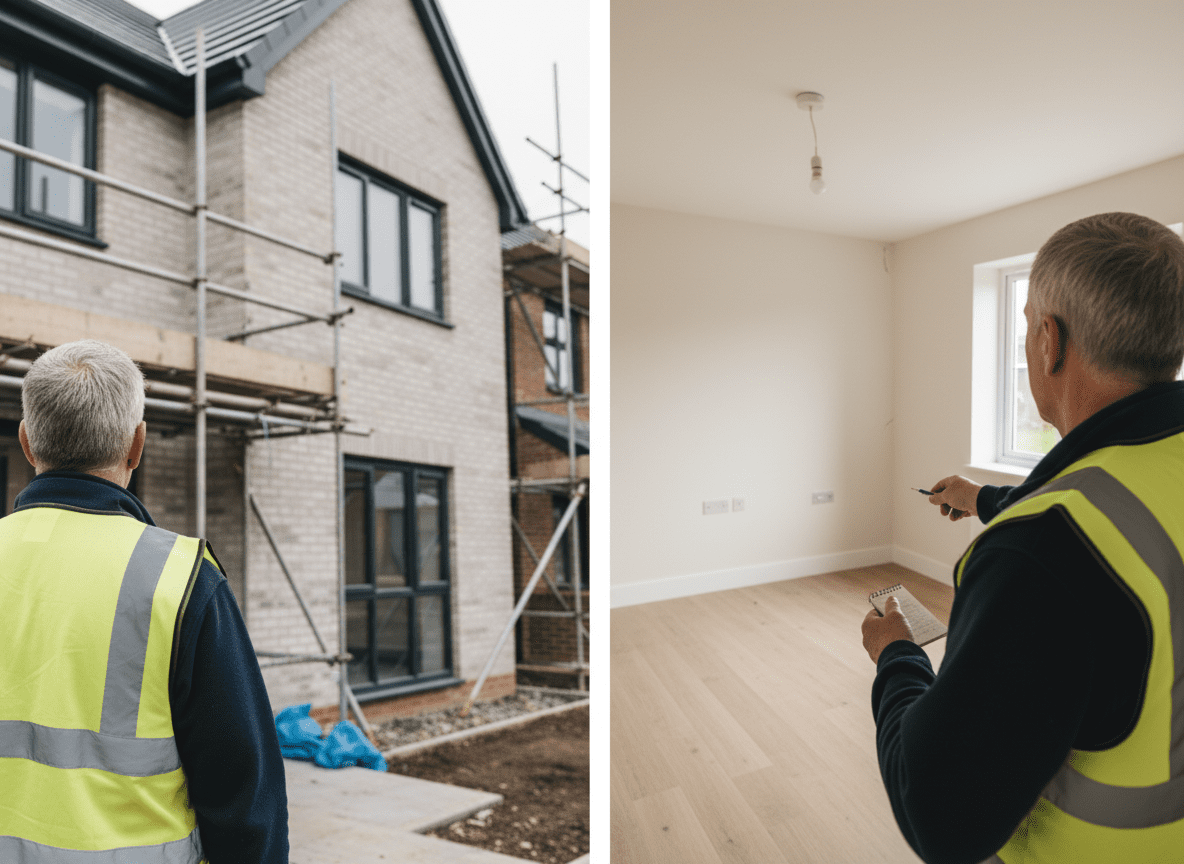
Buying a brand new property should feel straightforward. Everything is new, freshly finished, and ready to move into. Yet many buyers discover small construction defects only after they move in. A new build snagging survey is an independent inspection carried out before or shortly after completion, designed to identify workmanship issues, unfinished details, and defects the developer should correct.
These inspections look closely at the visible condition of the home, from brickwork and roofing to internal finishes, doors, windows, and drainage. The goal is simple: highlight problems early so they can be fixed before they become your responsibility. Across Peterborough and surrounding developments, snagging surveys often reveal dozens of issues that are easy to miss during viewings or developer walk-throughs.
This guide explains what a snagging survey includes, when to book one during the buying process, and how it helps ensure your new home is handed over in the condition it should be.

Contact Us
01733 590038
What Is a New Build Snagging Survey For?
A new build snagging survey is designed to identify defects and unfinished work before the property is formally handed over to you. Even in well-managed developments, construction involves many different trades working to tight schedules. Small issues can easily be missed during final checks. An independent snagging inspection provides a detailed review of the property so problems can be documented and corrected by the developer before they become the homeowner’s responsibility.
The inspection focuses on the visible condition and finish of the property. This includes items such as brickwork alignment, plaster finish, door and window installation, flooring, drainage falls, and external ground levels. While many findings are minor, addressing them before completion ensures the home is delivered to the standard expected from a new property.
Is a New Build Snagging Survey Right for Your Property?
A new build snagging survey is designed for buyers purchasing newly constructed homes. Even though the property is brand new, the final stages of construction often involve multiple trades finishing work quickly. Small defects or unfinished details can easily be overlooked during developer checks or standard handover inspections.
An independent snagging inspection provides a clear list of issues that should be corrected by the developer before you fully settle into the property. It allows you to raise these items while the developer is still responsible for putting them right.
A snagging survey is often recommended if the property:
- Is a newly built home or recently completed development
- Has not yet been handed over by the developer
- Has only been inspected through a developer walk-through
- Needs an independent check of workmanship and finishing quality
- Is being purchased before legal completion
These inspections are especially useful on large developments where multiple homes are being completed at the same time. Builders often work to tight schedules, and even well-built homes can have minor defects that need attention.
Across Peterborough and surrounding new developments, snagging surveys commonly identify issues such as cosmetic plaster defects, poorly adjusted doors and windows, uneven brickwork, drainage falls, and finishing details that were missed during construction.
What Does a New Build Snagging Survey Cover?
A new build snagging survey focuses on the visible condition and finish of the property. The inspection checks whether the home has been completed to an acceptable standard and highlights defects that should be corrected by the developer. While it does not involve destructive testing or structural calculations, it carefully reviews both internal and external elements of the property to identify workmanship issues, unfinished items, and installation problems.
This typically includes areas such as brickwork alignment, roof finishes, plaster quality, door and window operation, flooring installation, drainage falls, insulation coverage, and external ground levels. The goal is to document any defects clearly so they can be raised with the developer before completion or during the early warranty period.
Common Issues Found During New Build Snagging Surveys
Although new homes look clean and finished at first glance, snagging inspections regularly uncover defects that are easy to overlook during viewings or developer walk-throughs. Most issues are not structural problems, but they still matter because they affect the finish, performance, and long-term condition of the property.
Across new developments in and around Peterborough, snagging surveys often identify a wide range of workmanship issues. These can range from cosmetic finishing defects to installation problems that should be corrected before the property is fully handed over.
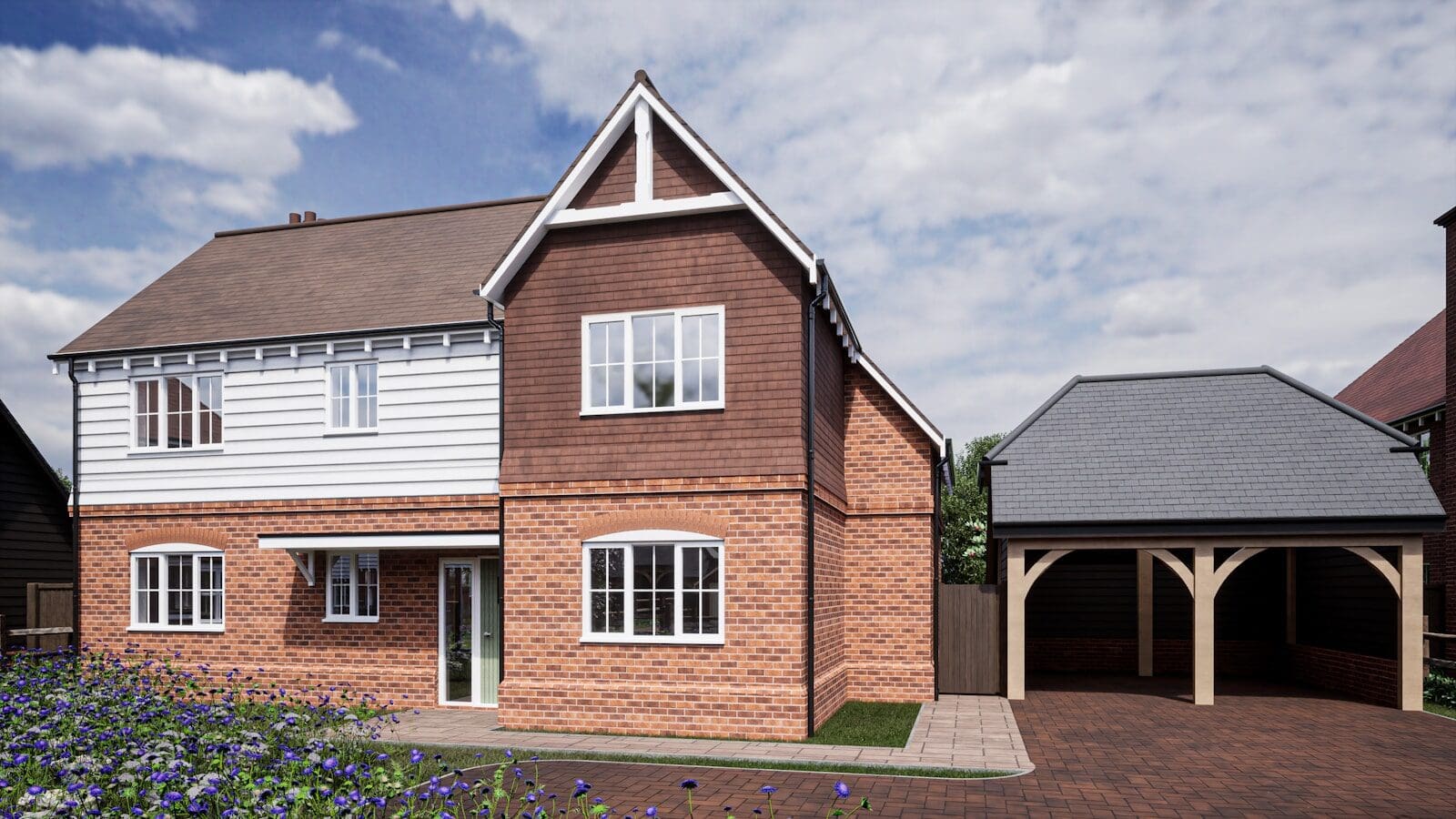
Brickwork and external finish issues
External brickwork sometimes reveals alignment problems, uneven pointing, or mortar staining. Surveyors may also find poorly installed air bricks, damaged brick faces, or unfinished external sealant around windows and doors. These defects are usually cosmetic but should still be corrected to maintain the property’s appearance and durability.
External drainage, paving levels, and poorly finished groundworks are also common findings on newly completed estates.


Doors, windows, and fittings that need adjustment
Doors and windows are frequently found to be poorly adjusted during snagging inspections. This can include doors that do not close properly, windows that stick, or frames that have been poorly sealed. These issues often occur because fixtures are installed quickly toward the end of the construction process.
While the problems are usually minor, correcting them early prevents wear and frustration once you move in.
Plastering and decorative finish defects
Internal finishes are one of the most common areas for snagging findings. Surveyors often identify uneven plaster, visible joint lines, paint defects, or poorly finished corners and skirting boards. These issues rarely affect the structure of the home but should still be corrected as part of the developer’s finishing responsibilities.
Lighting angles and natural daylight can make these defects more visible once the home is occupied.
Flooring and installation problems
Snagging surveys sometimes reveal uneven flooring, gaps around trims, poorly fitted laminate boards, or loose tiles. These defects are usually installation issues rather than design problems, but they should still be addressed while the developer remains responsible for the build quality.
Identifying these issues early avoids disputes later once furniture and fittings have been installed.
Drainage and external ground level concerns
External areas are often completed late in the construction schedule, which means defects sometimes appear in driveways, patios, and drainage falls. Surveyors may find uneven paving, poor water runoff, or drainage covers that sit incorrectly.
These issues may seem small but can lead to standing water, trip hazards, or long-term maintenance problems if they are not corrected early.
Typical snagging issues identified during inspections include:
- Uneven brickwork, mortar staining, or damaged brick faces
- Poorly adjusted doors and windows
- Plaster cracks, paint defects, and unfinished decorative work
- Loose flooring, uneven tiles, or poorly fitted trims
- Drainage falls, paving alignment, and external ground level issues
Most snagging issues are relatively straightforward for developers to fix, but documenting them clearly during an independent inspection ensures they are addressed before they become your responsibility as the homeowner.
Even when a property looks tidy and well cared for, a Level 2 survey often uncovers issues that are easy to miss during a viewing. Most are not immediate deal-breakers, but they do matter because they affect repair costs, future maintenance, and how confident you feel about proceeding.
Many buyers in Peterborough are surprised by how often small visible signs point to wider maintenance problems. A slipped tile may suggest roof wear. Condensation around windows may point to poor ventilation. Hairline cracking may be harmless, but sometimes it needs a closer look in context.
Roof defects and slipped tiles
Roof coverings are one of the most common areas where defects show up. Surveyors often find slipped or broken tiles, ageing felt, worn flashings, and signs of patch repairs that need monitoring. These issues may not always be urgent, but they can lead to water ingress if left untreated.
If you are buying an older house or a property with visible roof wear, it is sensible to understand the likely repair costs before exchange.
Early signs of damp or condensation
Damp-related issues are common in both older and newer homes. A Level 2 survey can pick up staining, moisture readings, mould risk, and signs that poor airflow is contributing to condensation. In some homes, the issue is minor and linked to lifestyle or ventilation. In others, it may indicate leaking gutters, defective pointing, or bridging at external ground level.
These findings matter because damp is often underestimated by buyers until they move in.
35+ Years of Experience, RICS Registered
At Blue Blossom Surveys Ltd, your survey is carried out by a RICS-registered surveyor with over 35 years of experience in residential property. We combine technical knowledge with a personal, one-to-one approach that keeps you informed at every step.
- Fully qualified and regulated by the Royal Institution of (AssocRICS) Surveyors (RICS)
- Fast turnaround with clear, jargon-free reporting
- Expert local insight across Peterborough and surrounding areas
- Dedicated service from a single point of contact
Why Choose a New Build Snagging Survey in Peterborough?
Buying a newly built property in Peterborough? A professional snagging survey helps identify defects and unfinished work before you fully settle into the home. While new properties should meet modern building standards, the final stages of construction often involve many trades working quickly to meet completion deadlines.
We regularly inspect new homes across Peterborough, Hampton, Stanground, Yaxley, and surrounding developments. Typical snagging findings include plaster finish defects, poorly adjusted doors and windows, uneven brickwork, drainage issues around driveways, and cosmetic finishing problems missed during the developer’s checks.
If you are still deciding which survey you need, these guides can help: Level 2 vs Level 3 — what you need to know, What a Level 2 Home Survey actually includes, Buyer’s guide to RICS Level 2 surveys in Peterborough.
Frequently Asked Questions
When should a snagging survey be carried out?
Ideally before legal completion, during the developer’s pre-handover stage. This allows defects to be identified and corrected before you move into the property.
How long does a snagging inspection take?
Most inspections take around 2–3 hours depending on the size of the property. The written snagging report is typically provided within a few working days.
What happens after the snagging report?
You can submit the defect list to the developer so they can correct the issues before or shortly after completion.
Do new homes really have defects?
Yes. Even well-built homes often have minor defects or finishing issues. Snagging surveys simply ensure these are identified and corrected early.
Buying a New Build in Peterborough?
An independent snagging survey helps ensure your new home is finished properly before you move in.
Request Your QuoteNew Build Related Blog Posts

Post-Completion Survey: What Is It and Do You Need One?

Pre-Completion Inspection: What to Expect on the Day

Snagging After Completion: Can You Still Get a Survey Once You’ve Moved In?

New Build Snagging Survey in Corby: When to Book
Pre-Completion vs Post-Completion Survey: Which Should You Book?

What Problems Do Surveyors Find in New Build Homes?
Get a Snagging Survey Quote Today
Book your survey with a RICS-registered surveyor and receive a fast, jargon-free report you can trust.